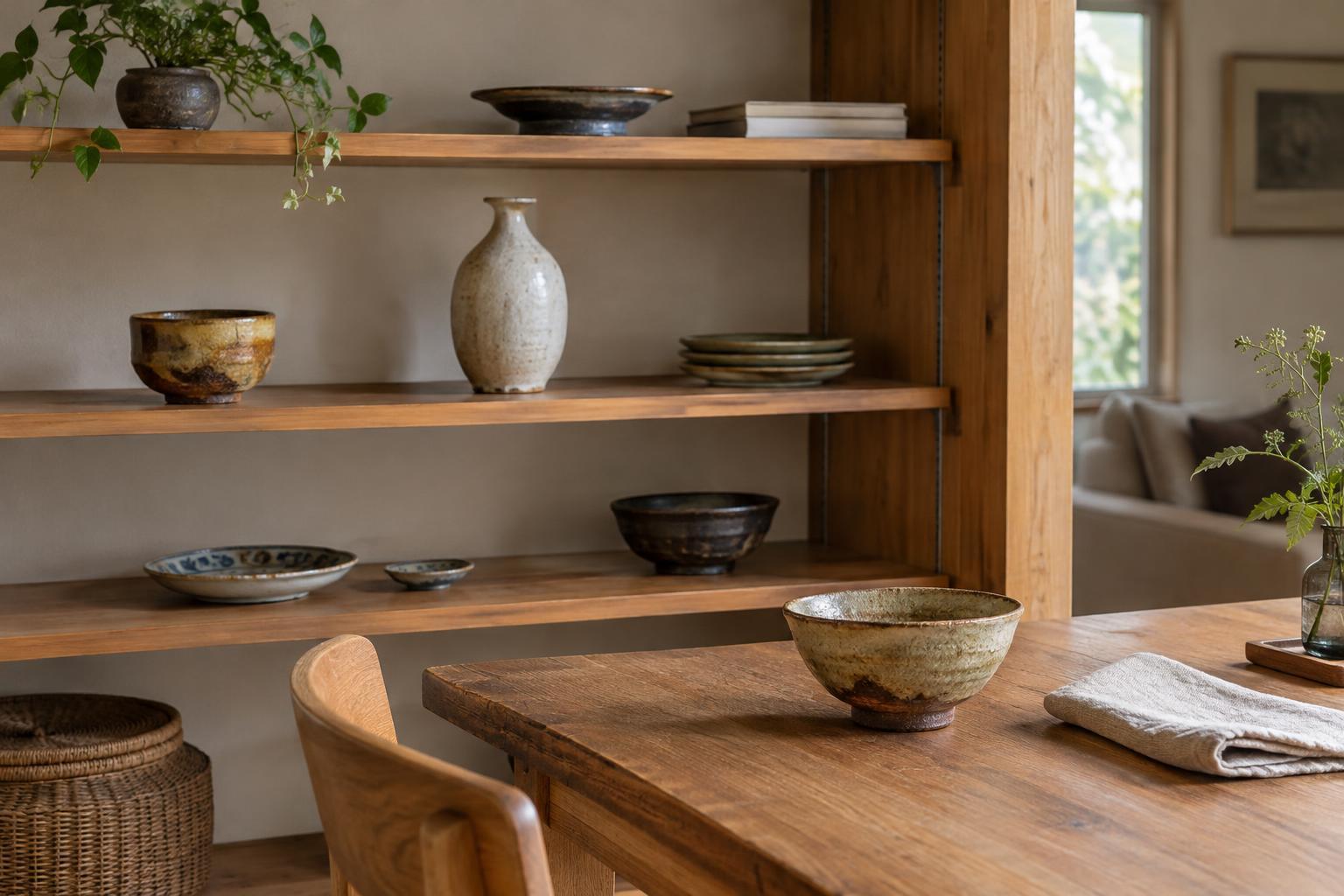
Interiors and DesignA beautiful bowl does not have to live behind glass. Learn how to make room for Japanese ceramics in an everyday interior, balancing display, access, lighting and care without turning your home into a showroom.
Read article · 4 min↗

Interiors and DesignA folding screen can define a quiet corner, soften a view or give a shared room more flexibility. Learn how to choose its size and materials, place it safely and use it without treating a Japanese design tradition as a shortcut to atmosphere.
Read article · 3 min↗
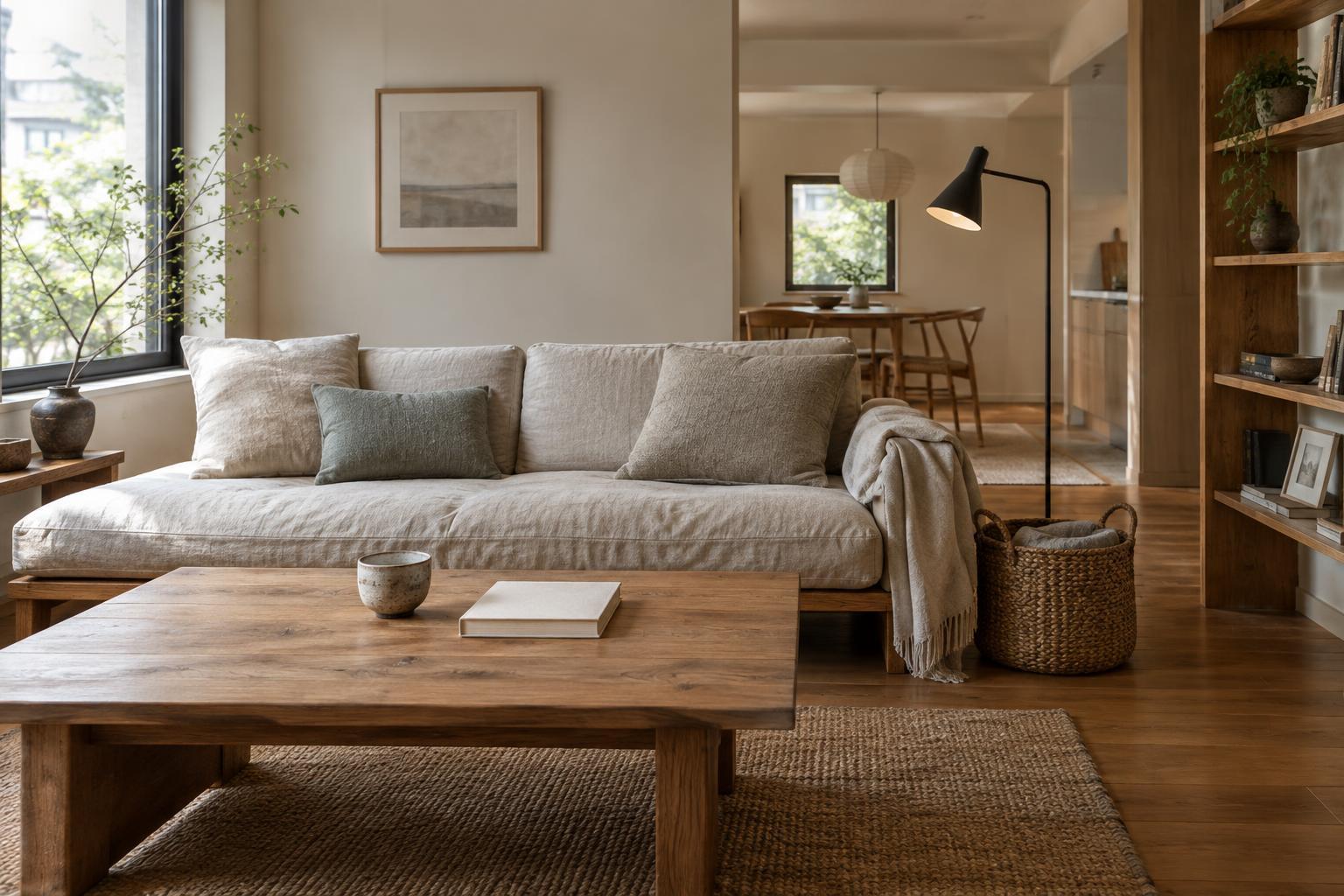
Interiors and DesignA Japanese-inspired room need not imitate a traditional house. By making space for daily routines, choosing objects with care and resisting decorative shortcuts, you can create an interior that feels calm, useful and personal.
Read article · 4 min↗
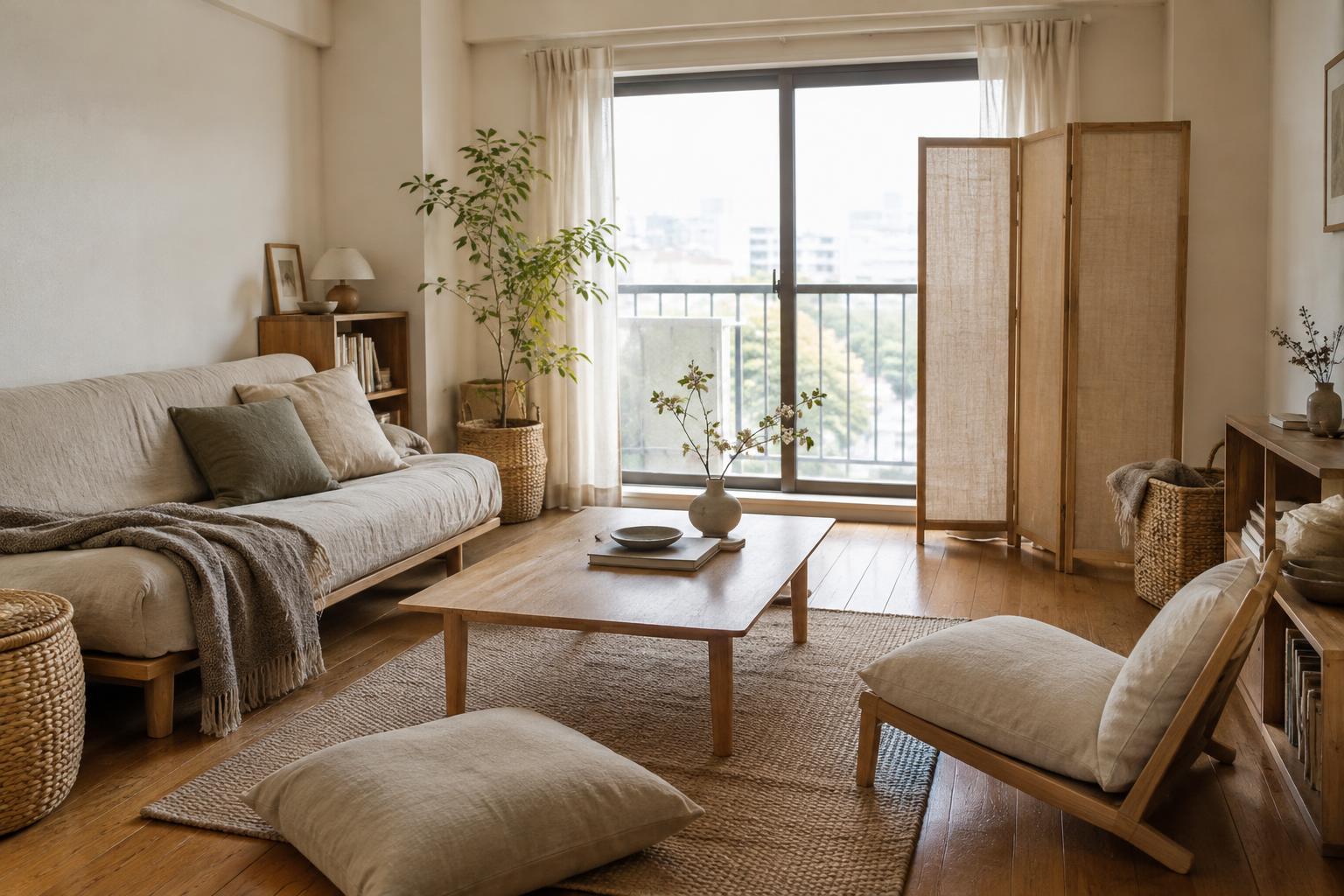
Interiors and DesignYou do not need sliding doors or a tatami room to learn from Japanese interiors. Use light, flexible furnishings, natural materials and thoughtful storage to create a calmer home while keeping walls, floors and fixtures intact.
Read article · 4 min↗
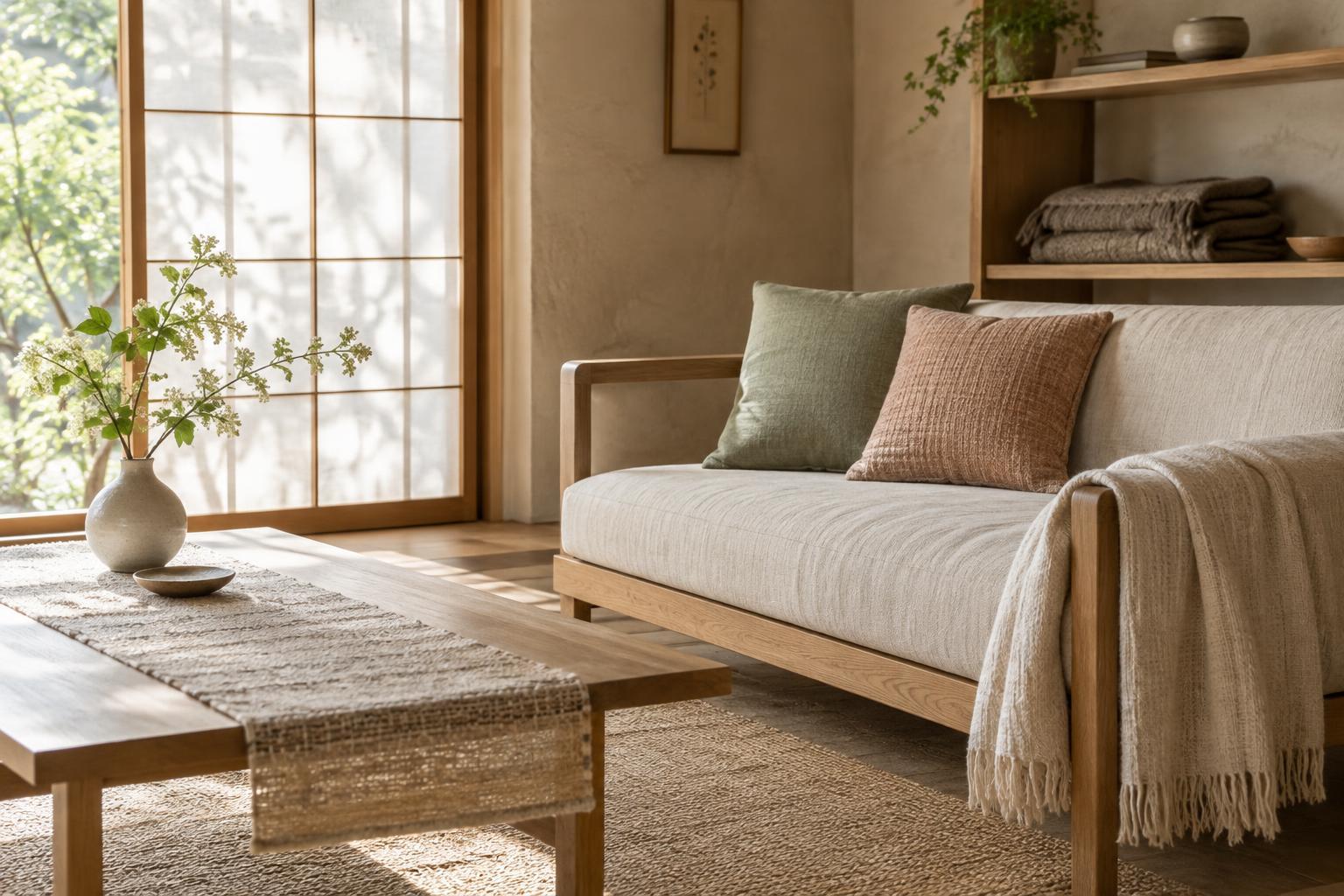
Interiors and DesignA room can feel different with the seasons without new furniture or a fresh coat of paint. Borrowing a cue from the attention to seasonality found in many Japanese interiors, this guide explores how to adjust textile weight, color and texture through small, reversible changes.
Read article · 4 min↗
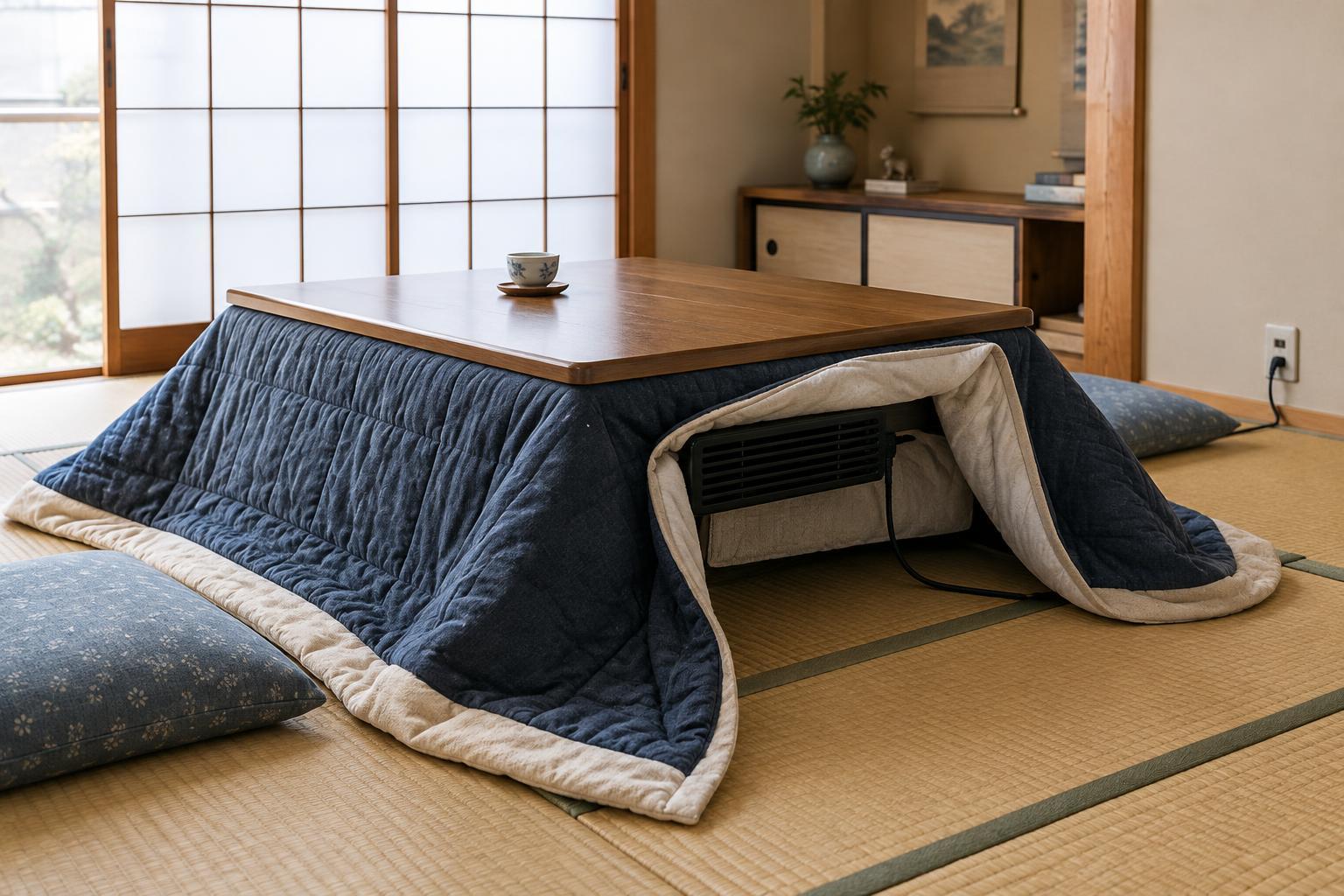
Interiors and DesignA kotatsu combines a low table, an electric heater and a thick cover to create a warm place to sit. Learn how its layers work, how to arrange one at home and which everyday safety habits matter most.
Read article · 4 min↗
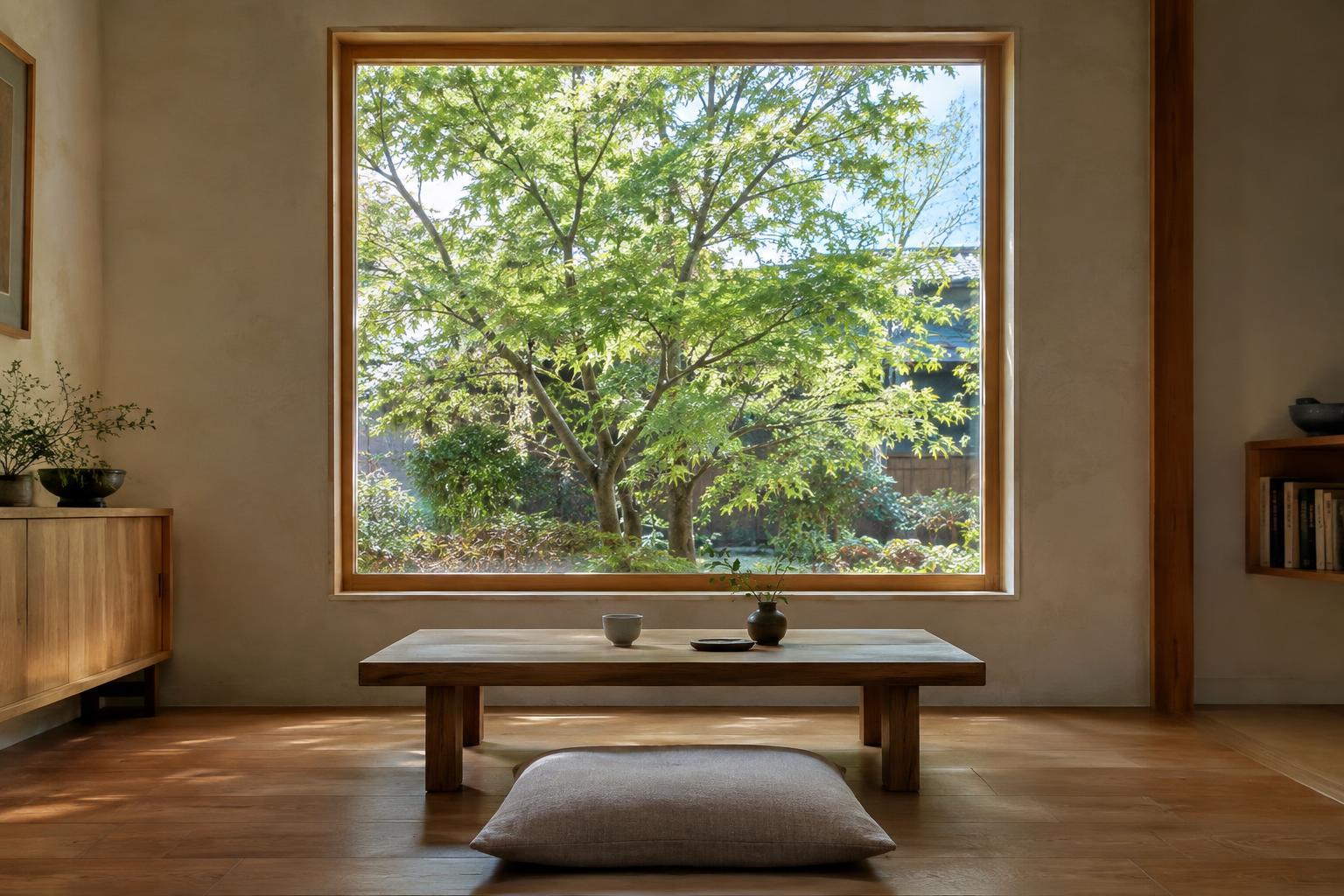
Interiors and DesignA view does not need to be grand to shape a room. Learn how window frames, furniture placement and a little visual editing can draw attention to trees, sky and seasonal change while keeping everyday needs in mind.
Read article · 4 min↗
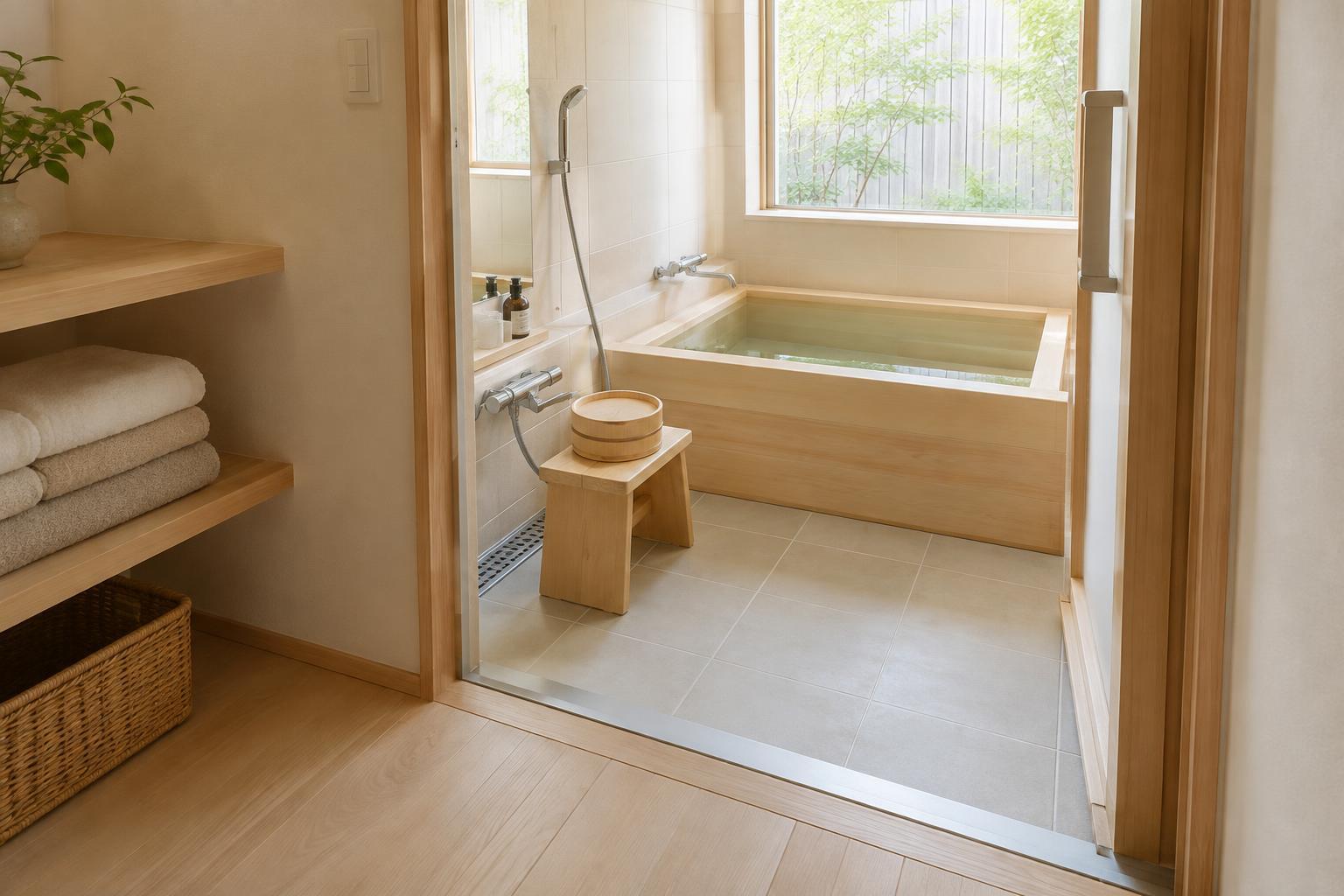
Interiors and DesignA Japanese-style bathroom often gives washing, soaking and getting dressed distinct places. Learn how the layout works, why the tub stays clean, and which ideas can make a bathroom easier to use even when space is limited.
Read article · 3 min↗
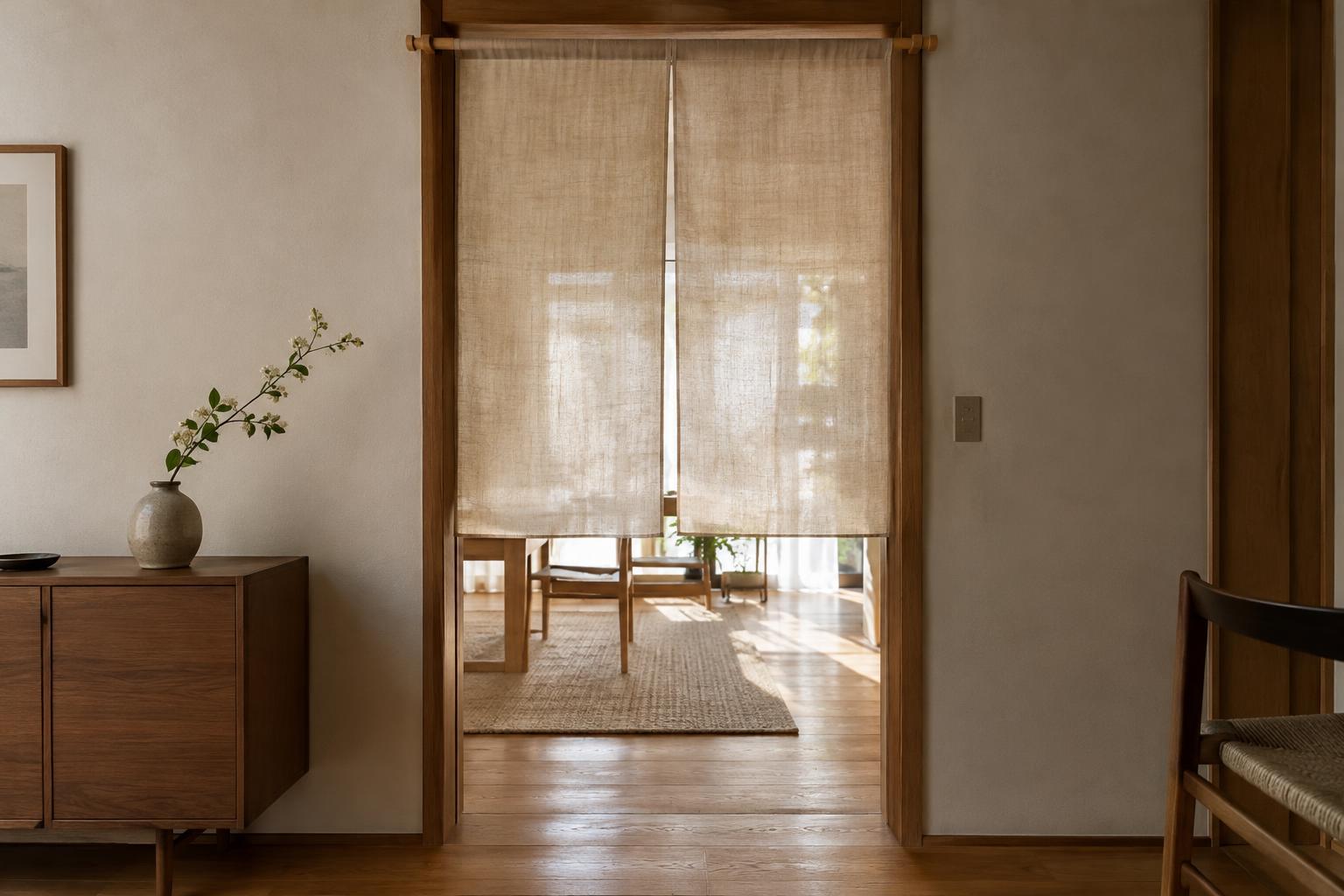
Interiors and DesignA noren can soften a doorway, suggest a boundary and add texture without closing off a room. Here is a practical guide to choosing its location, proportions and fabric for everyday use.
Read article · 5 min↗
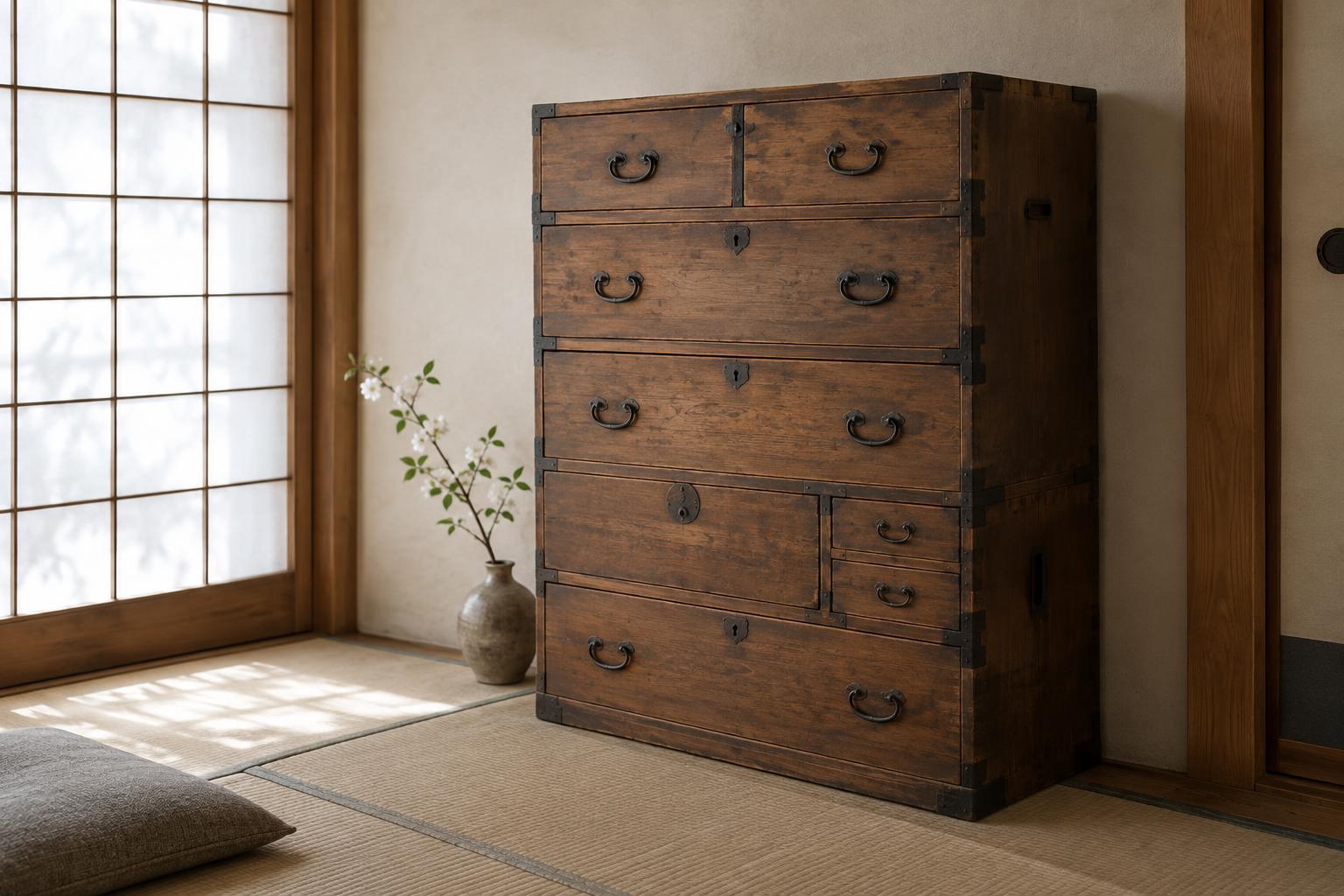
Interiors and DesignTansu can bring useful storage and quiet character to a room, but the name covers several distinct forms. Learn how to recognize common types, judge condition and choose a piece that fits your home.
Read article · 4 min↗
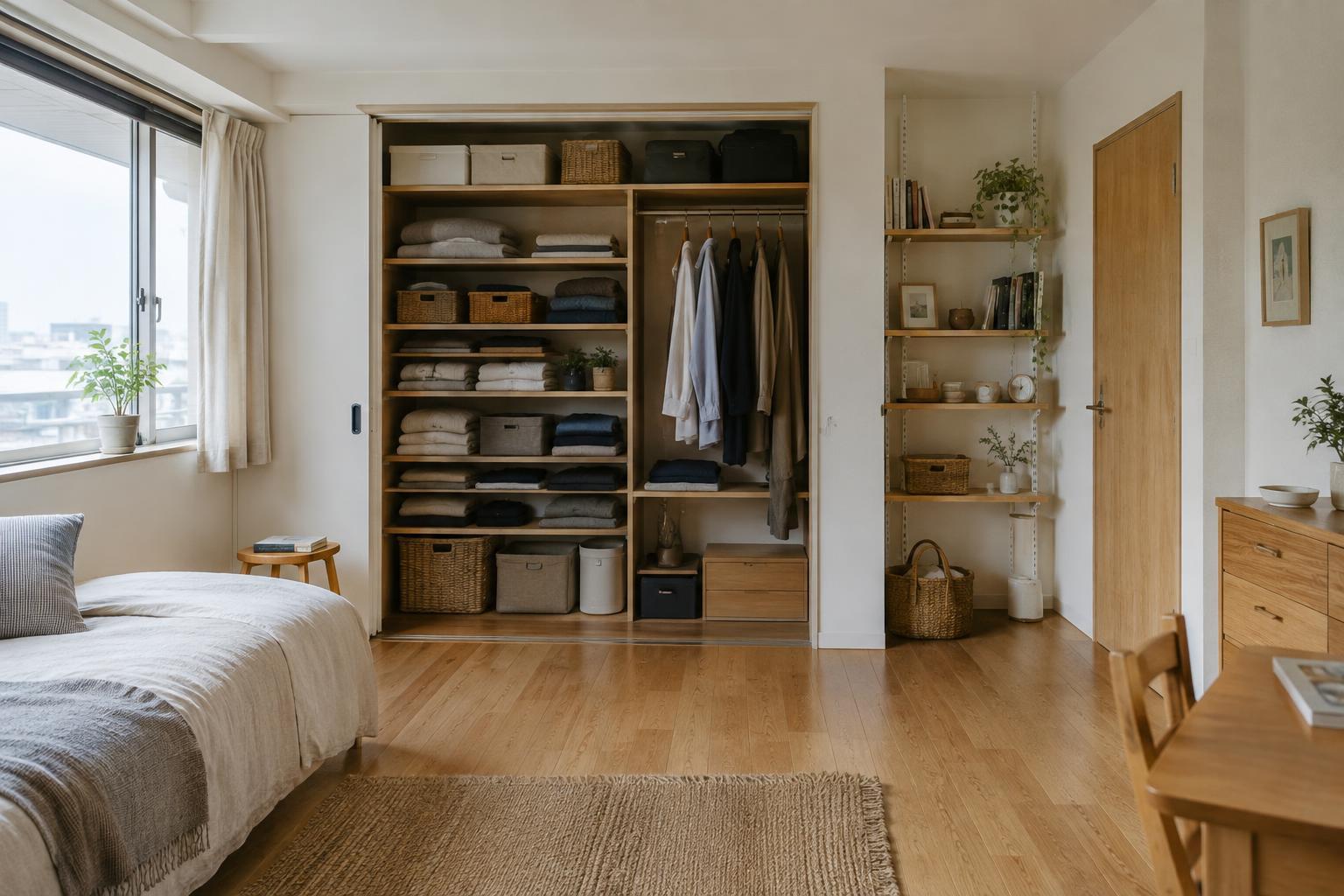
Interiors and DesignA small home can feel easier to use when storage follows daily routines rather than simply hiding clutter. Explore adaptable ideas inspired by Japanese interiors, from planning a closet in layers to using wall height without overwhelming a room.
Read article · 4 min↗
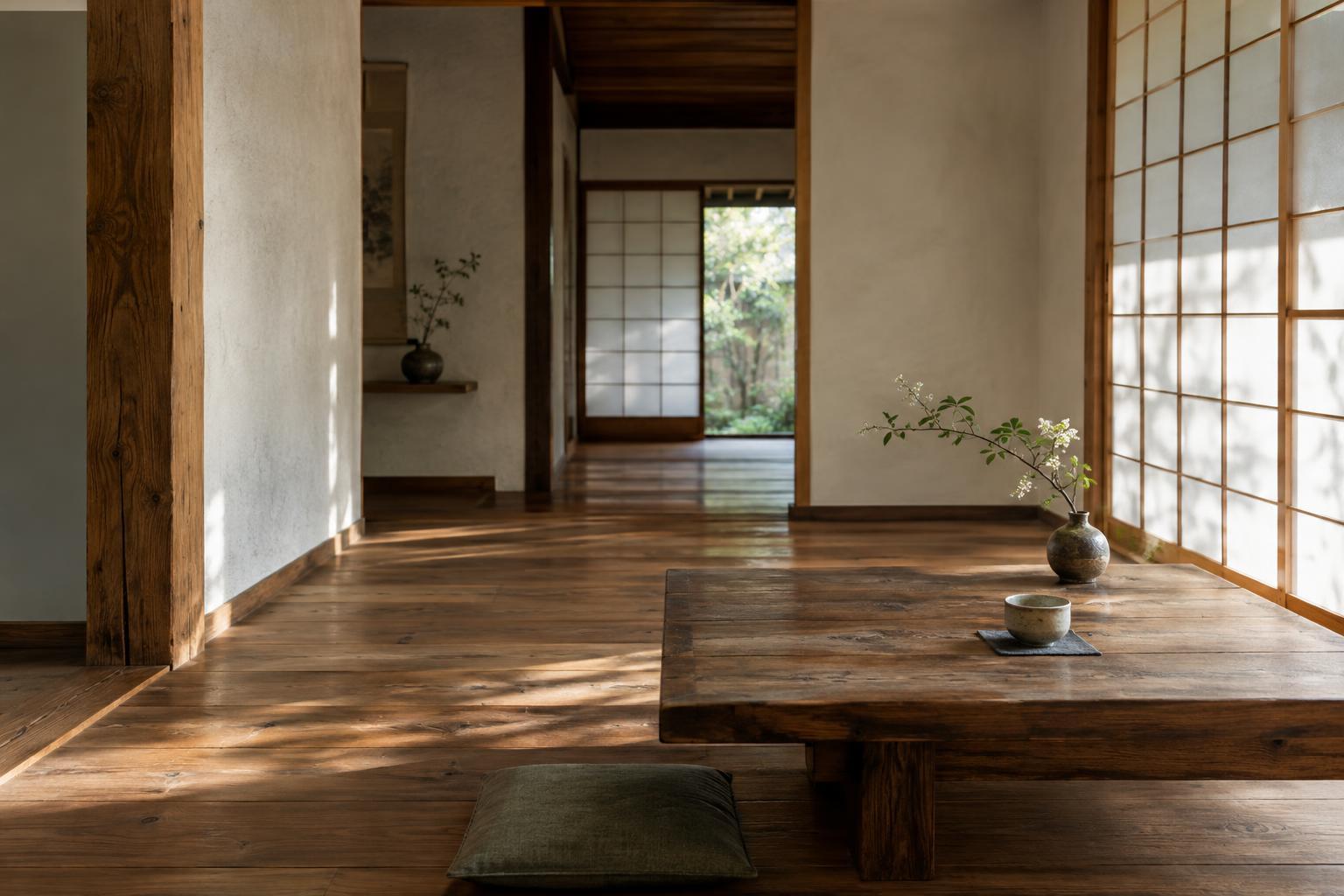
Interiors and DesignWood gives a room structure and warmth, plaster softens its surfaces, and paper filters light. Explore how these materials work together in Japanese interiors and how to draw on their qualities at home without treating them as a fixed design formula.
Read article · 4 min↗
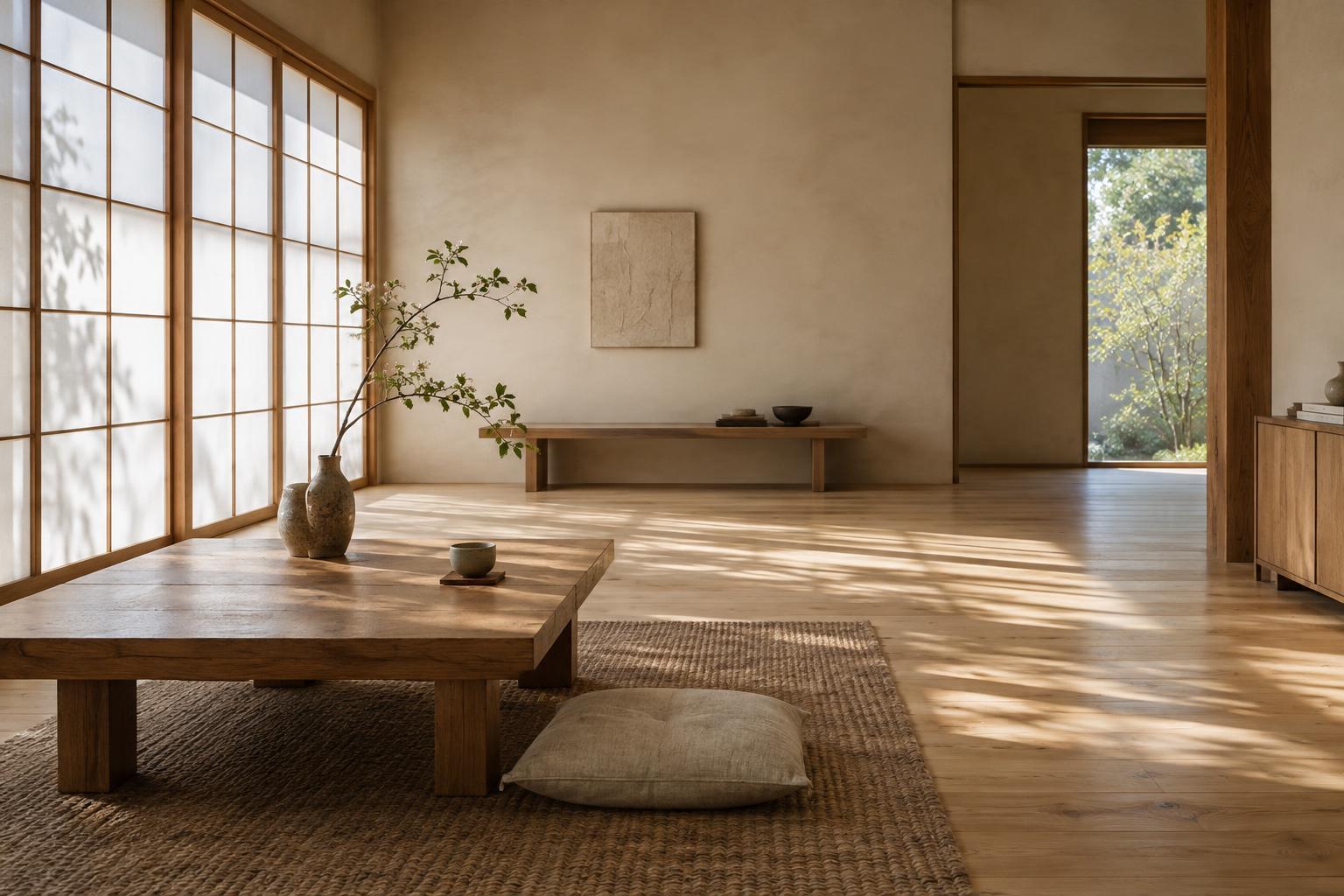
Interiors and DesignIn Japanese aesthetics, ma draws attention to the intervals between things. Explore how to use that idea at home through clear pathways, breathing room around objects, thoughtful light, and spaces that still feel welcoming and lived in.
Read article · 4 min↗
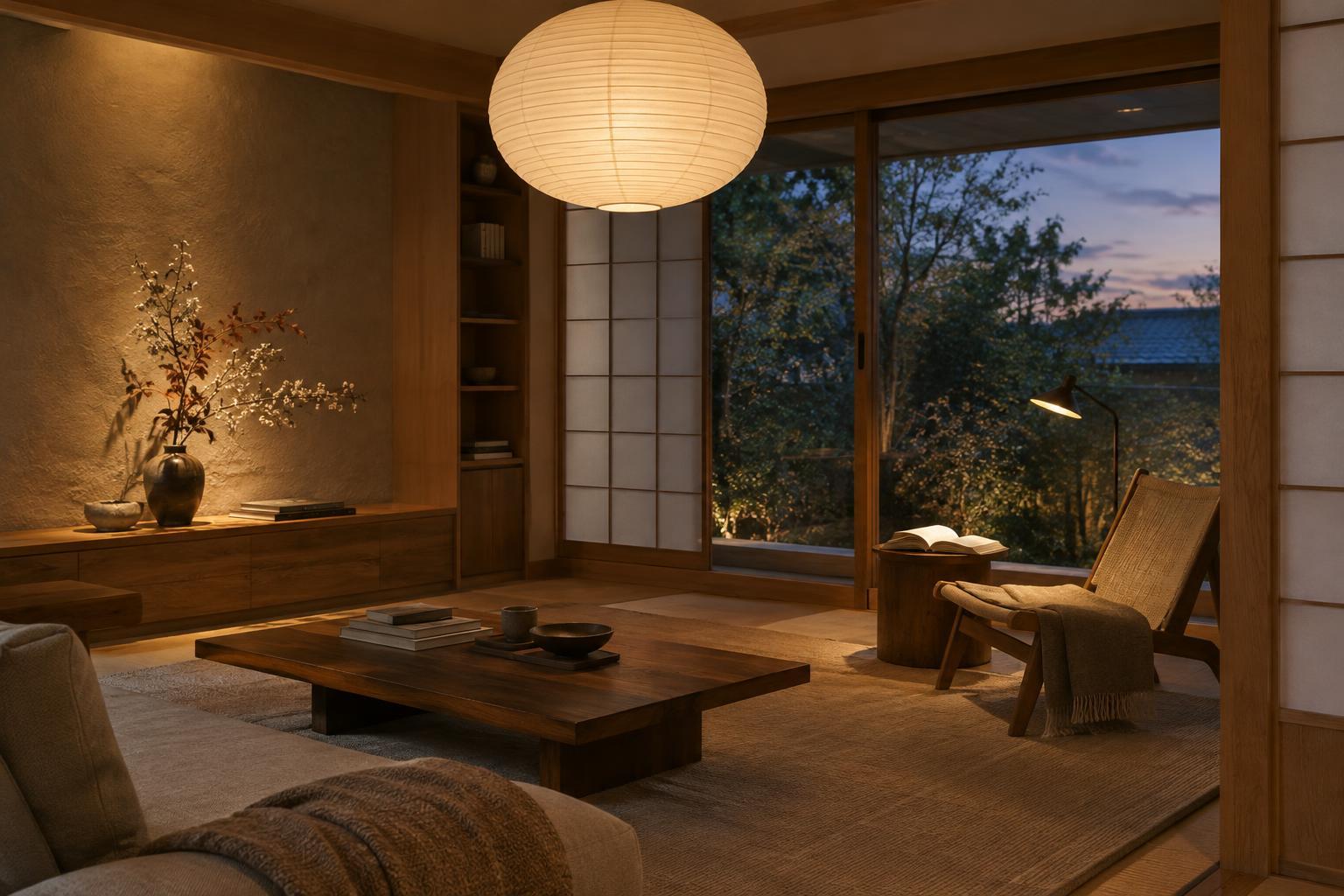
Interiors and DesignA calm room does not have to be dim. Learn how to combine ambient, task and accent lighting, choose paper shades thoughtfully, and reduce glare while keeping everyday activities comfortable.
Read article · 4 min↗
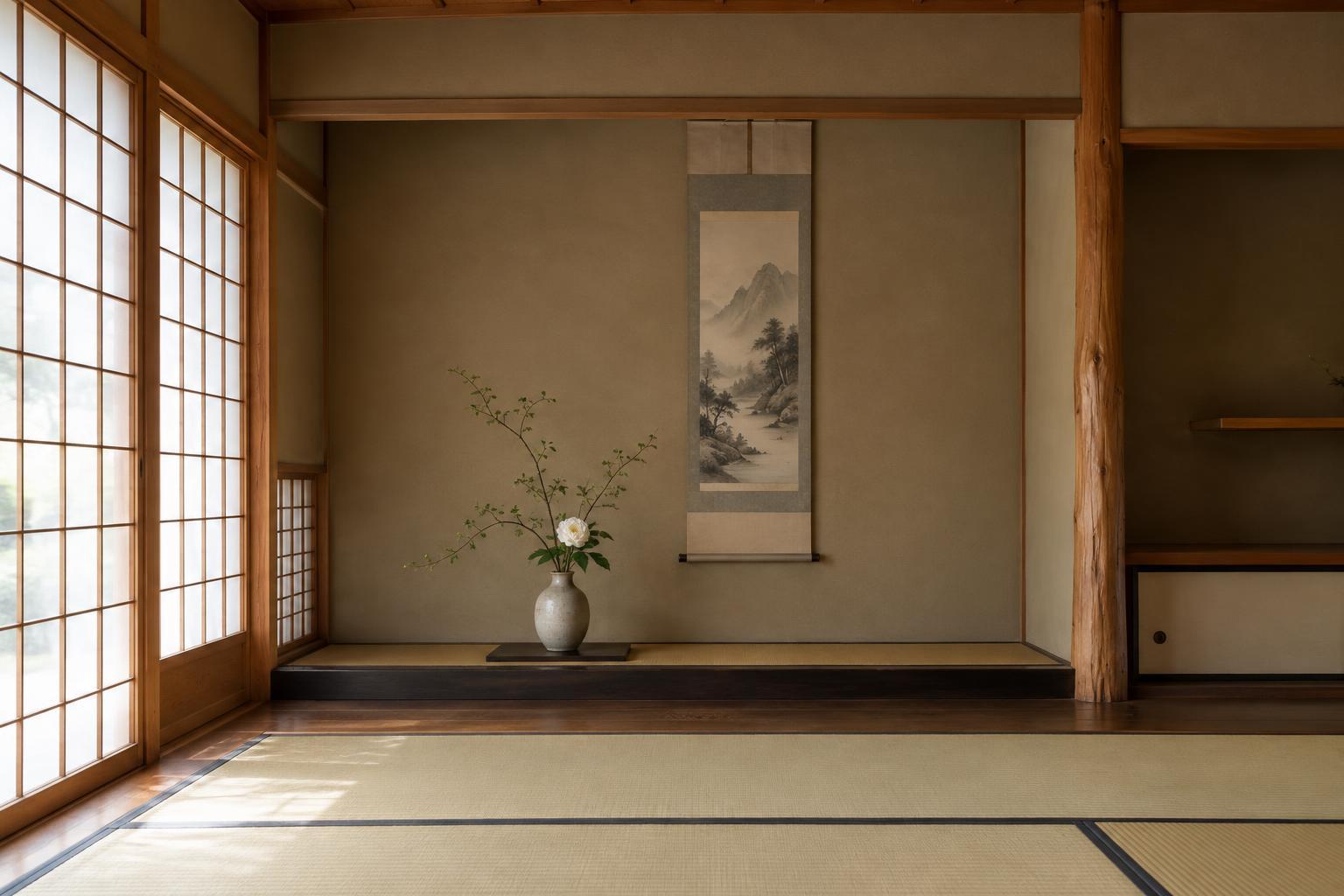
Interiors and DesignThe tokonoma is more than a decorative niche. Learn how this alcove shapes the experience of a Japanese room, what might be displayed there, and how to approach it respectfully as a guest or admirer.
Read article · 4 min↗
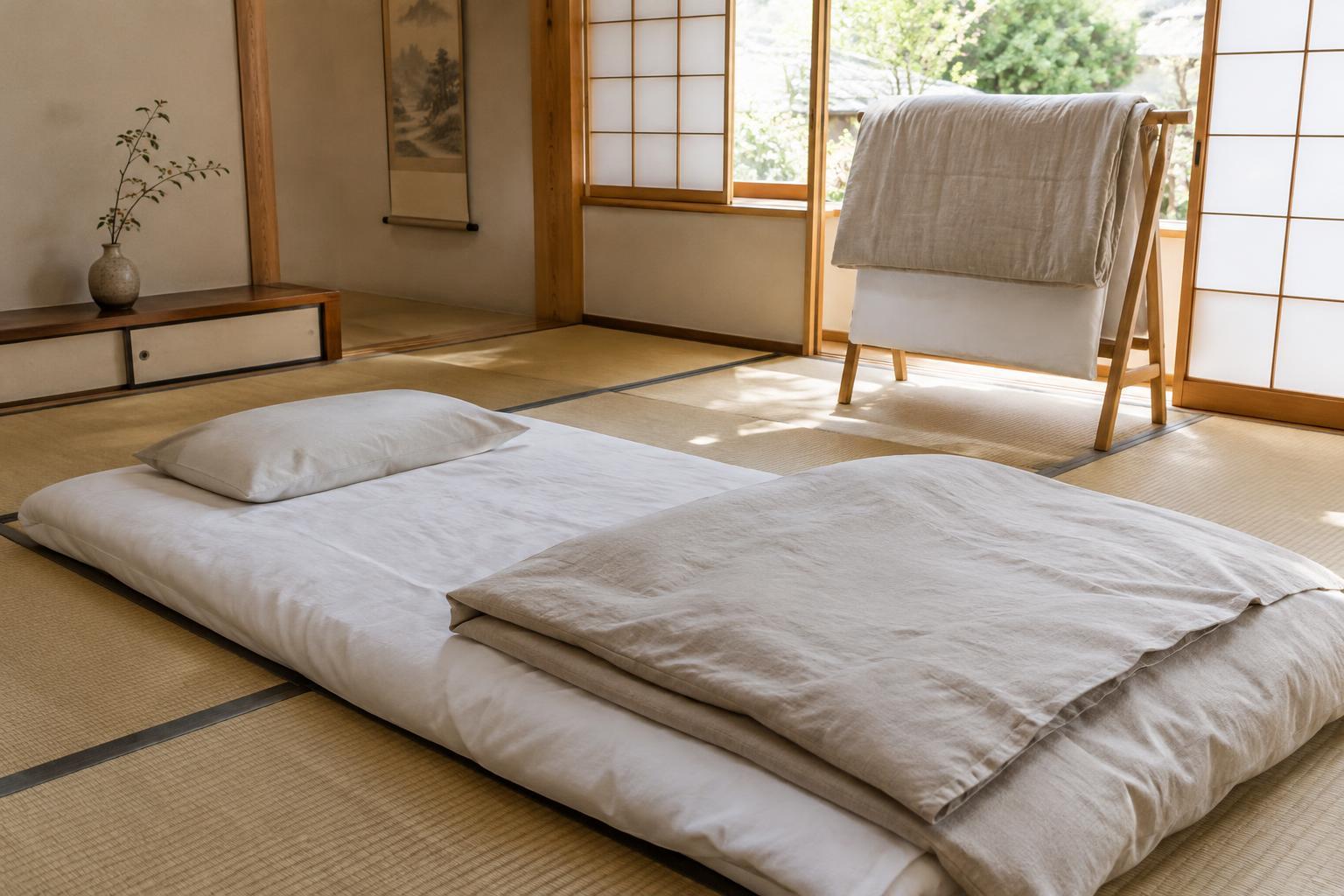
Interiors and DesignA futon can make a room feel flexible and uncluttered, but daily use calls for more than rolling out bedding at night. Learn how to choose a suitable surface, layer bedding comfortably, and build a morning routine that gives the futon time to dry.
Read article · 4 min↗
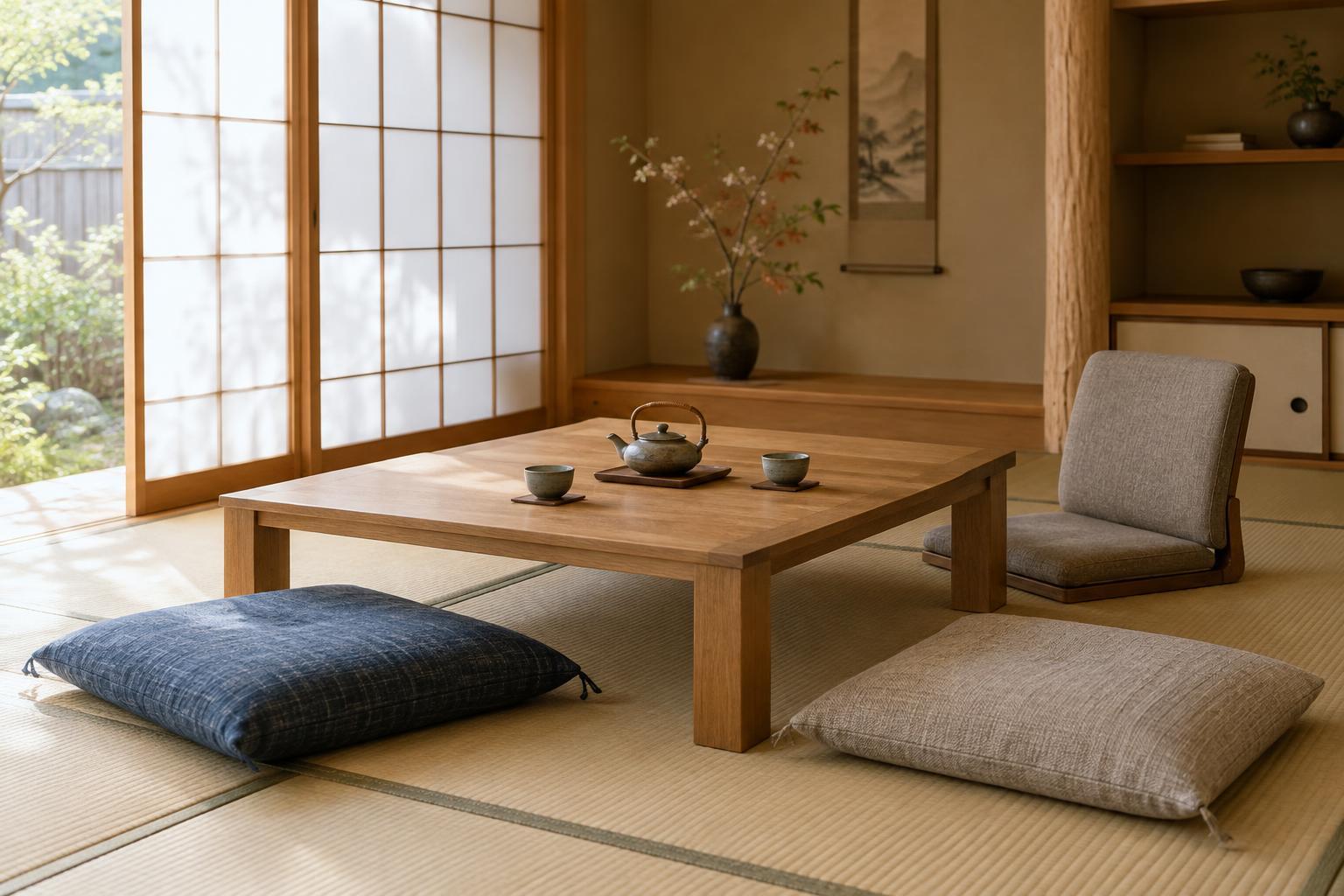
Interiors and DesignA floor-level sitting area can make room for tea, conversation or quiet work without furnishing the whole space around a sofa. Learn how zabuton cushions, zaisu chairs and low tables differ, and how to choose a setup that suits your room and daily habits.
Read article · 4 min↗
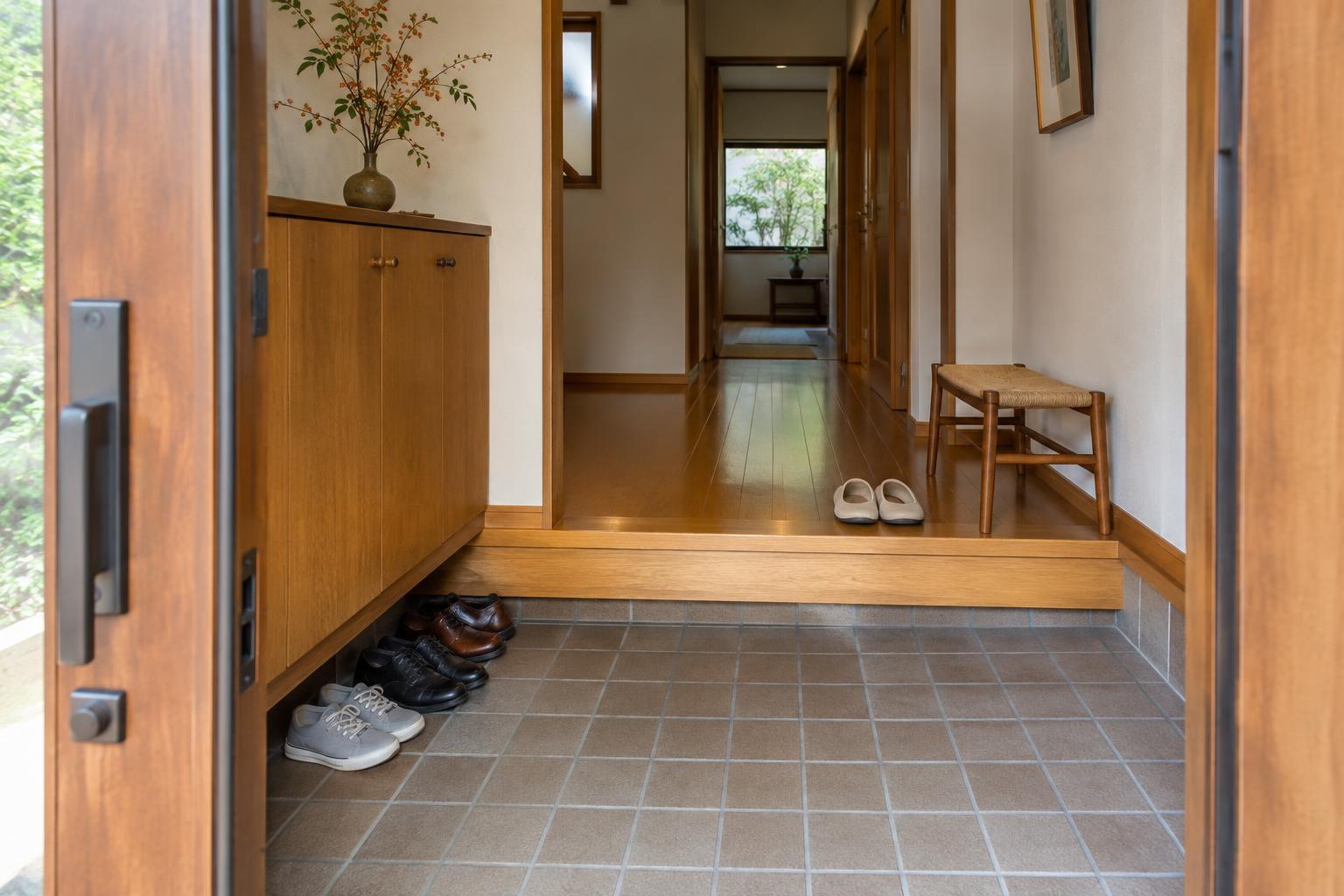
Interiors and DesignA genkan is more than a place to leave shoes. Learn how to shape a clear threshold, choose practical storage and make the transition from outdoors to indoors comfortable for residents and guests.
Read article · 4 min↗
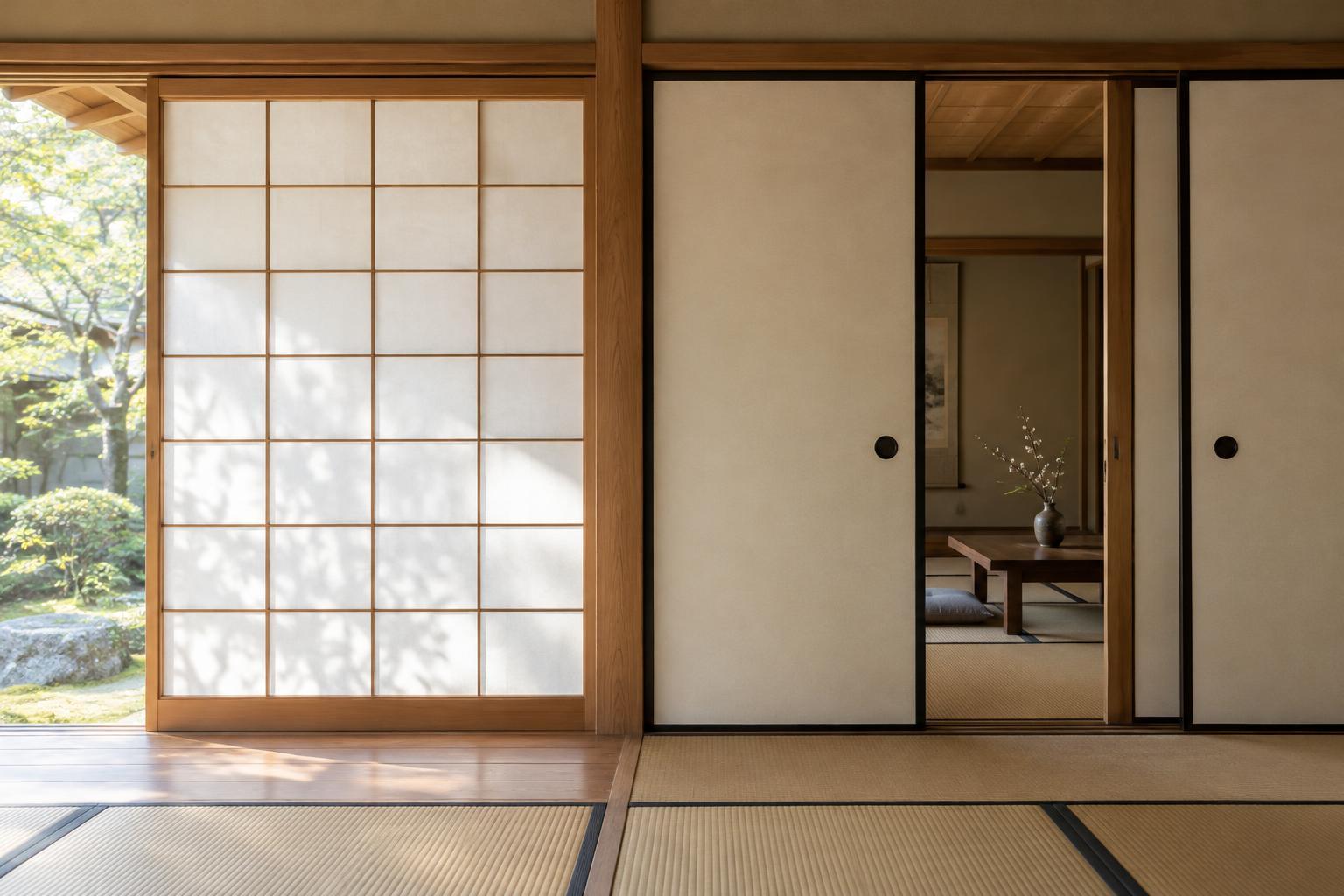
Interiors and DesignShoji and fusuma both slide, but they serve different purposes. Learn how each affects daylight, privacy and the feel of a room, plus simple ways to care for their paper surfaces and tracks.
Read article · 4 min↗
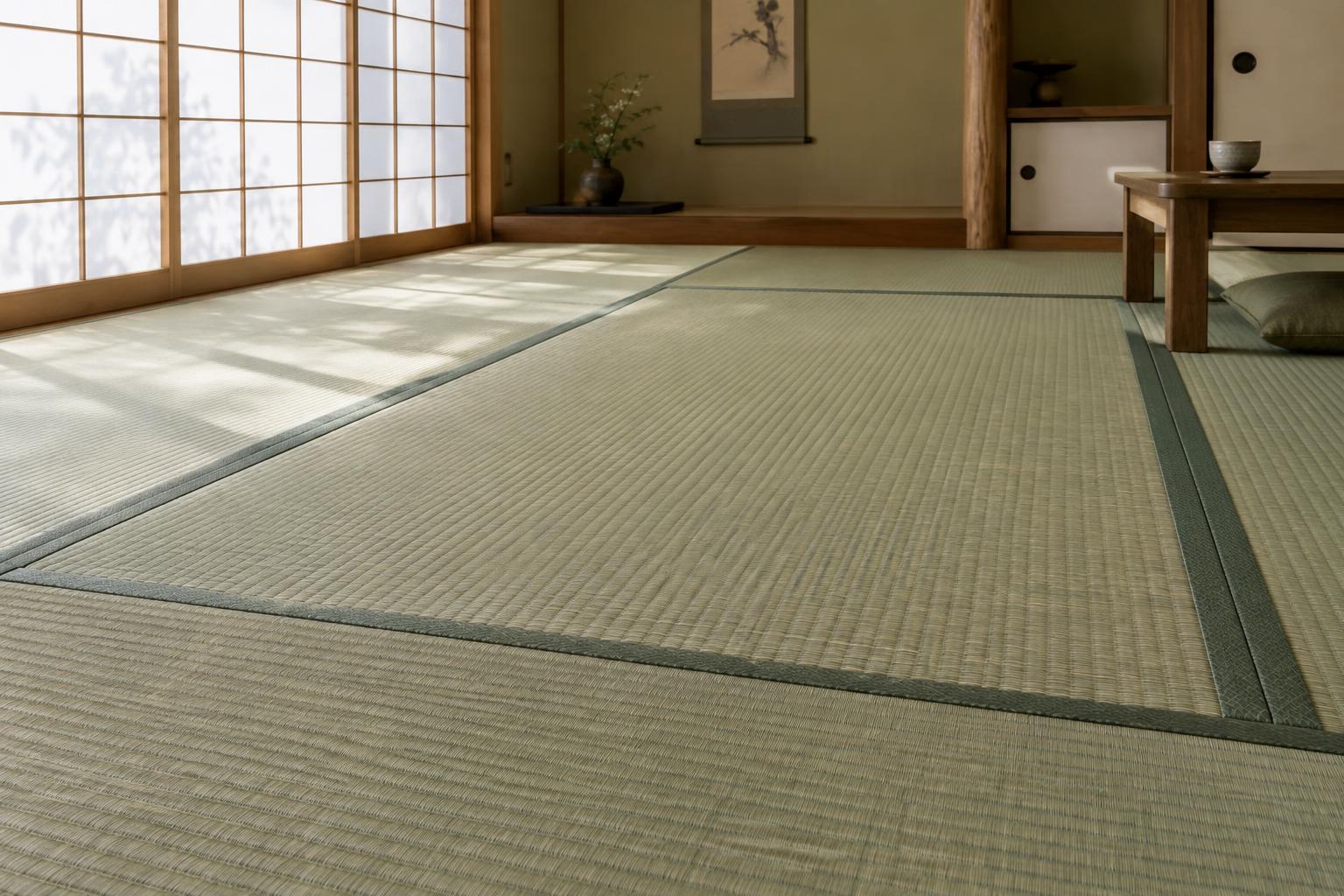
Interiors and DesignTatami can make a room feel calm and flexible, but choosing and caring for it takes more than counting mats. Learn how sizes vary, what to consider when planning a layout, and how to keep the surface clean and dry.
Read article · 4 min↗
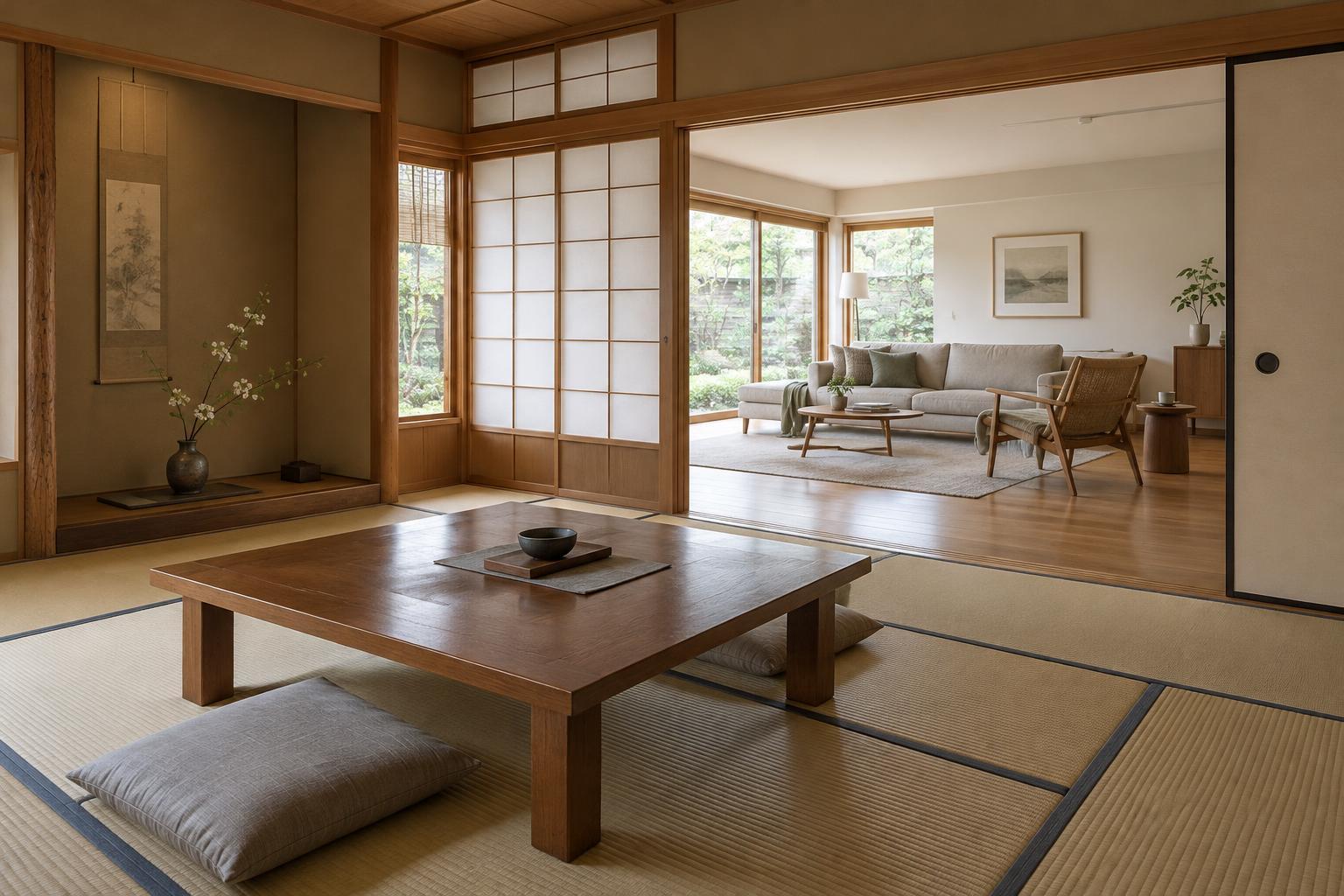
Interiors and DesignA washitsu and a yoshitsu offer different ways to furnish and use a room. Learn how flooring, doors, furniture and everyday habits shape each space—and why many Japanese homes make room for both.
Read article · 4 min↗
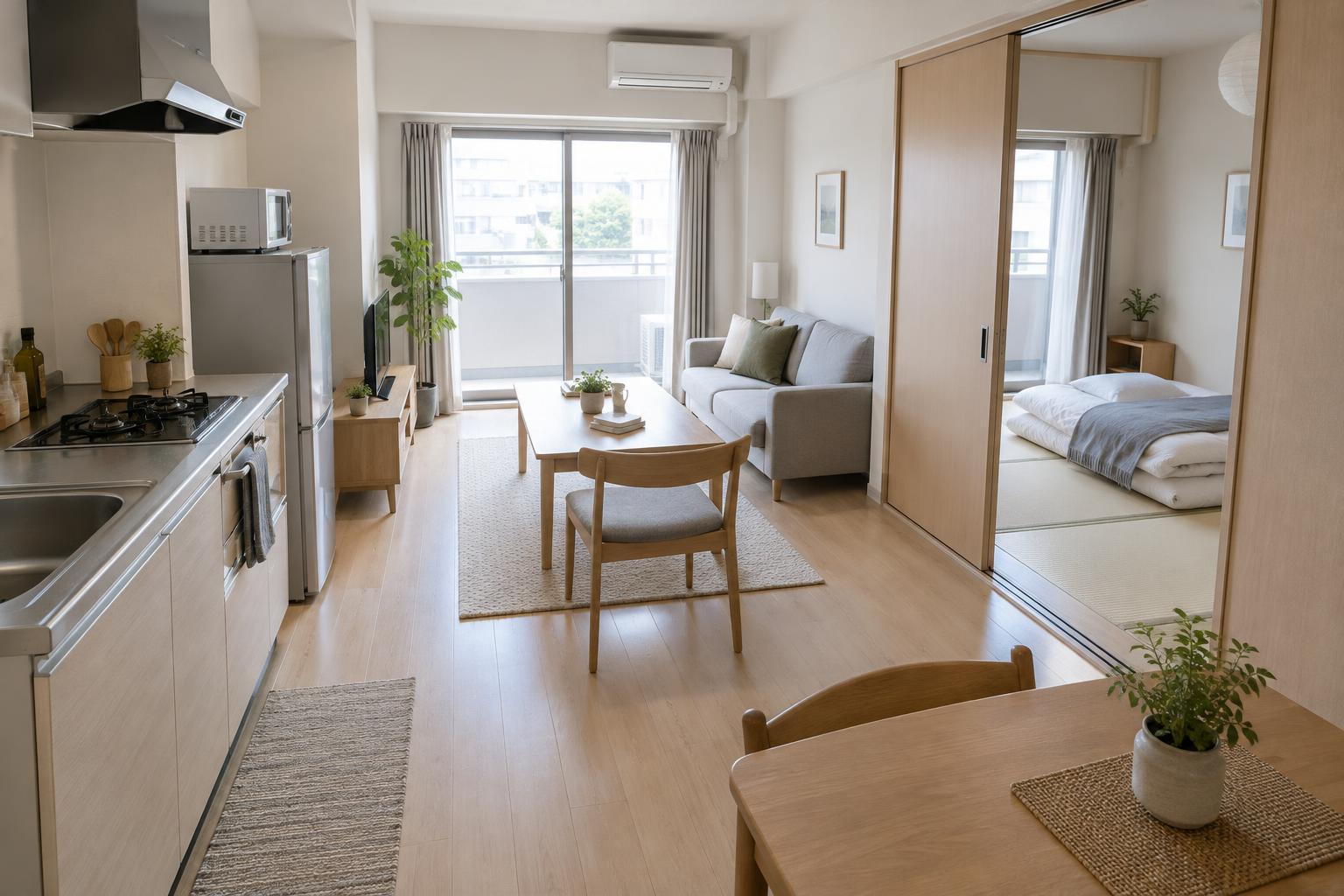
Interiors and DesignA Japanese apartment listing can say a great deal in just a few characters. Learn how to read 1K, 1DK and 1LDK, what those labels leave out, and how to judge whether a layout suits the way you live.
Read article · 4 min↗