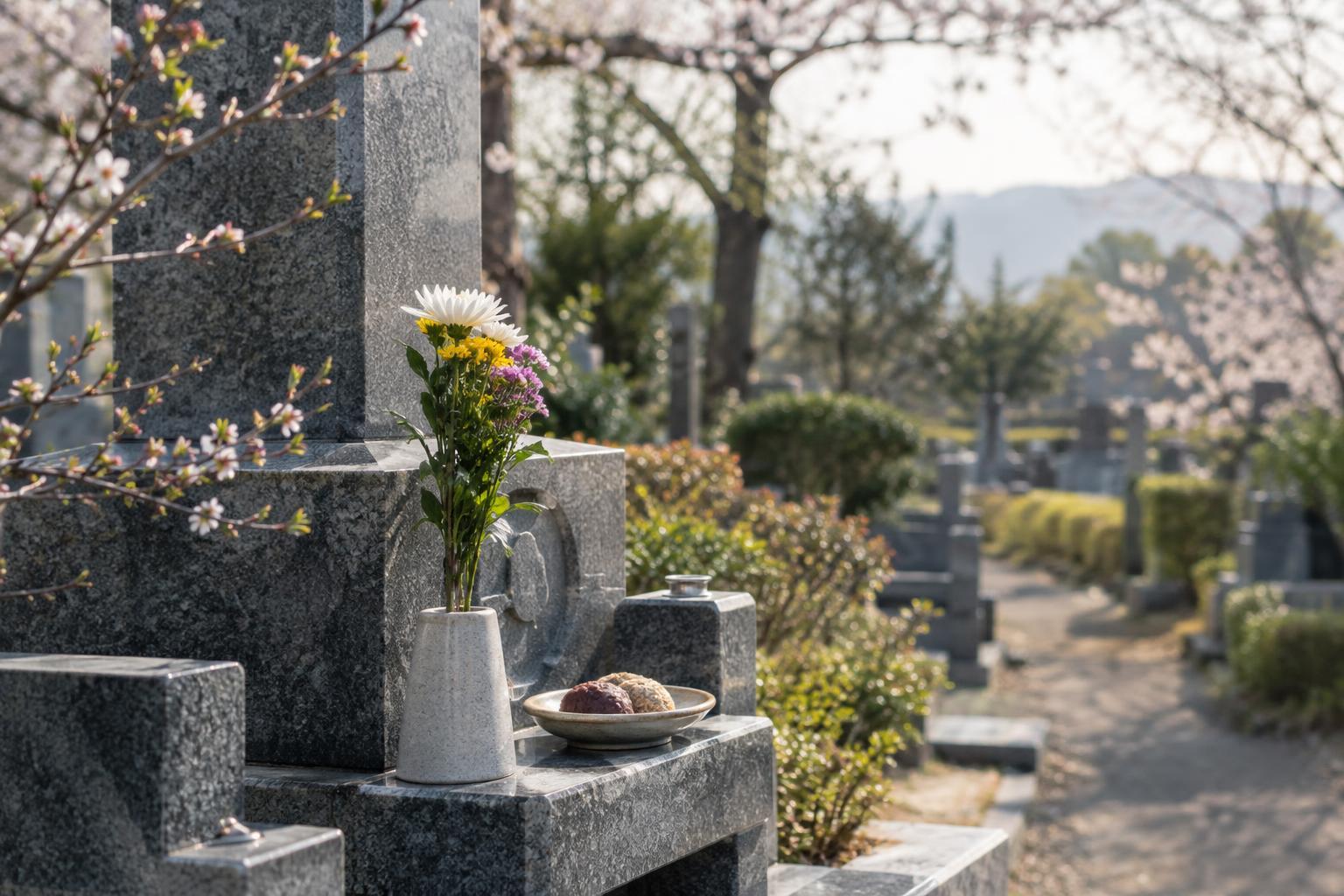
Seasonal TraditionsOhigan is observed around the spring and autumn equinoxes, often through family remembrance and visits to graves. Learn what the custom means, why the two seasons feel different, and how to approach it respectfully.
Read article · 4 min↗
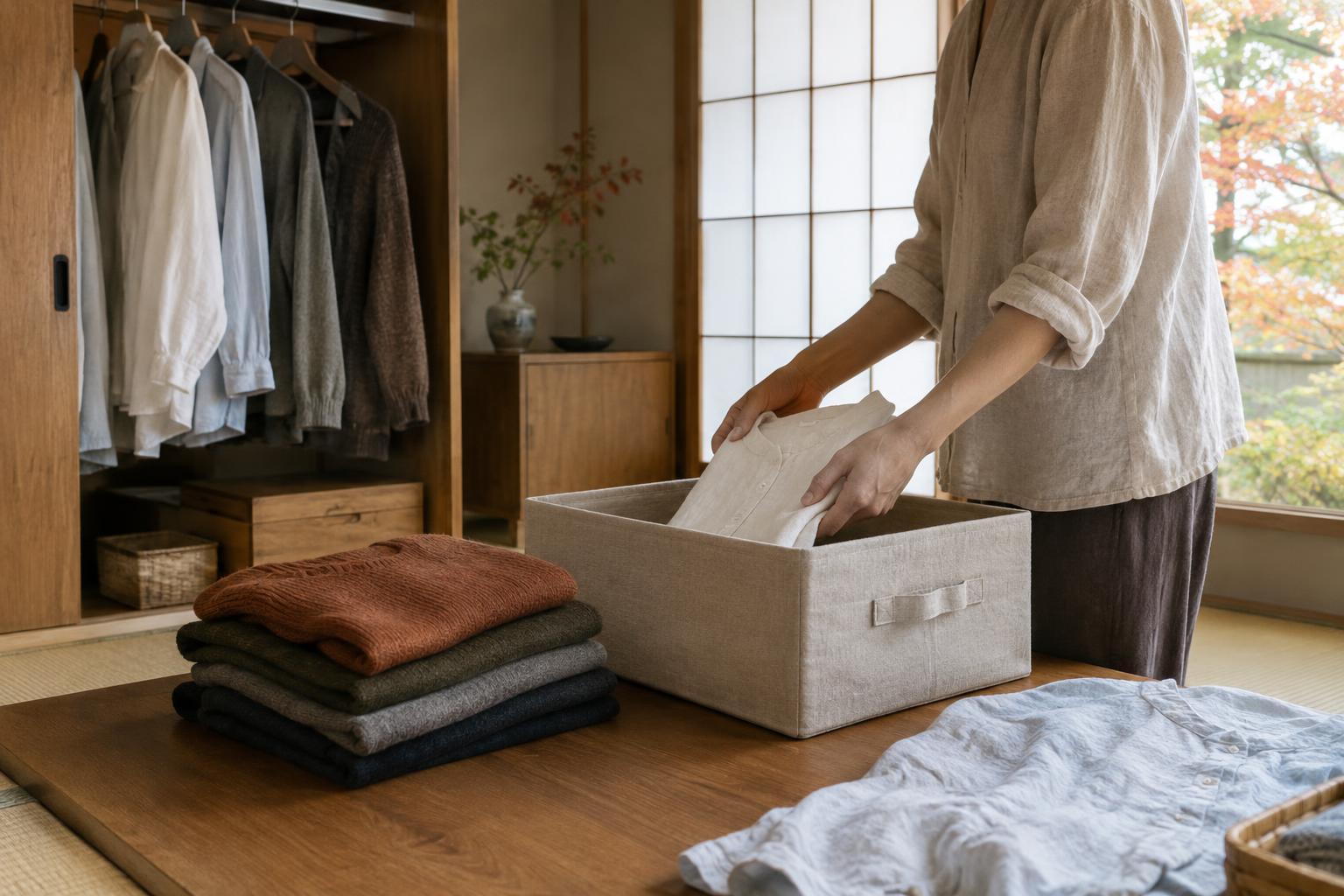
Seasonal TraditionsKoromogae is the practice of changing clothes with the seasons. Learn how the custom appears in Japanese daily life and how to adapt its useful ideas to your own climate and closet.
Read article · 3 min↗
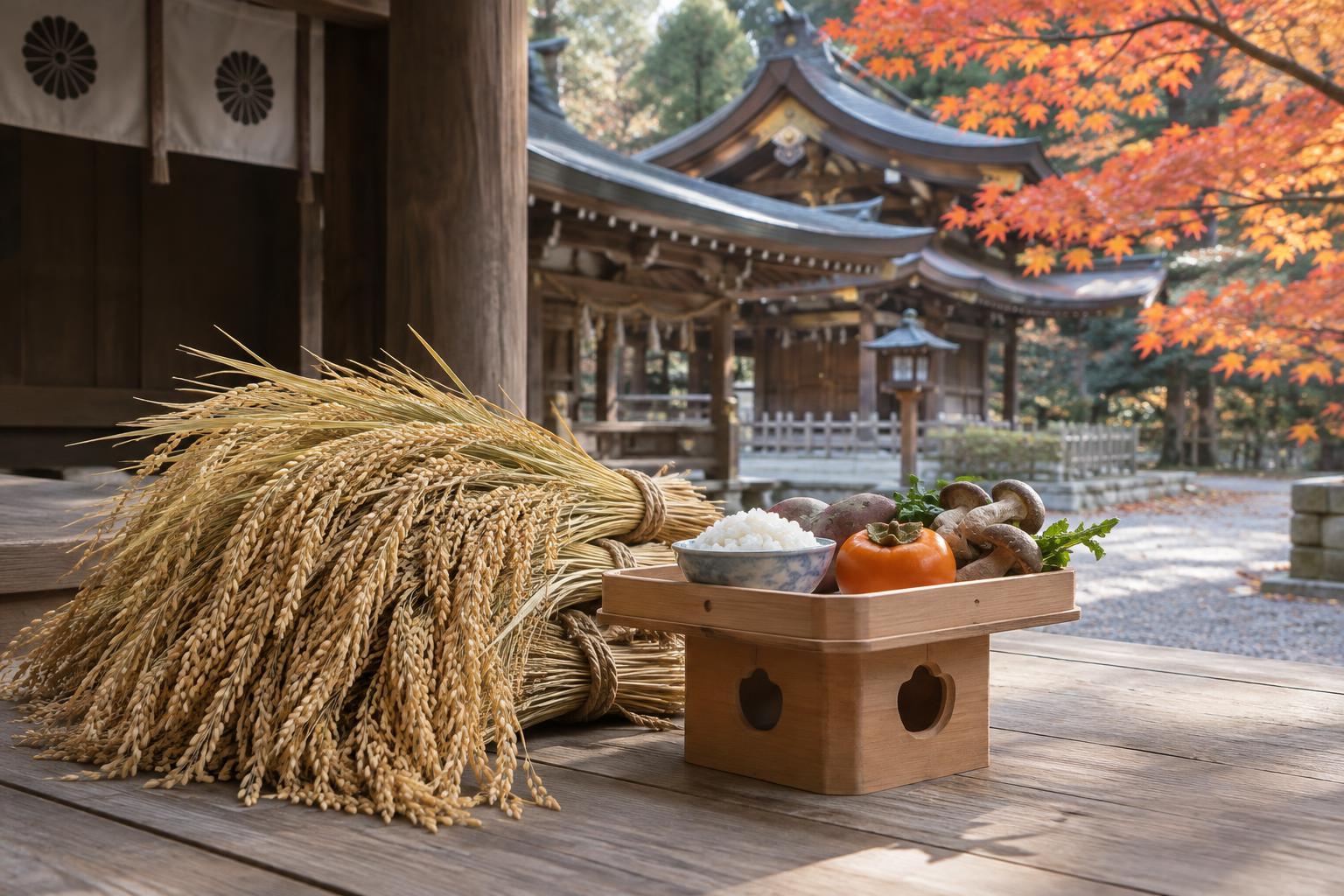
Seasonal TraditionsNiinamesai is a Shinto rite of gratitude for the harvest, observed on November 23. Learn what its offerings mean, how it differs from Labor Thanksgiving Day, and where it fits among Japan’s autumn traditions.
Read article · 4 min↗
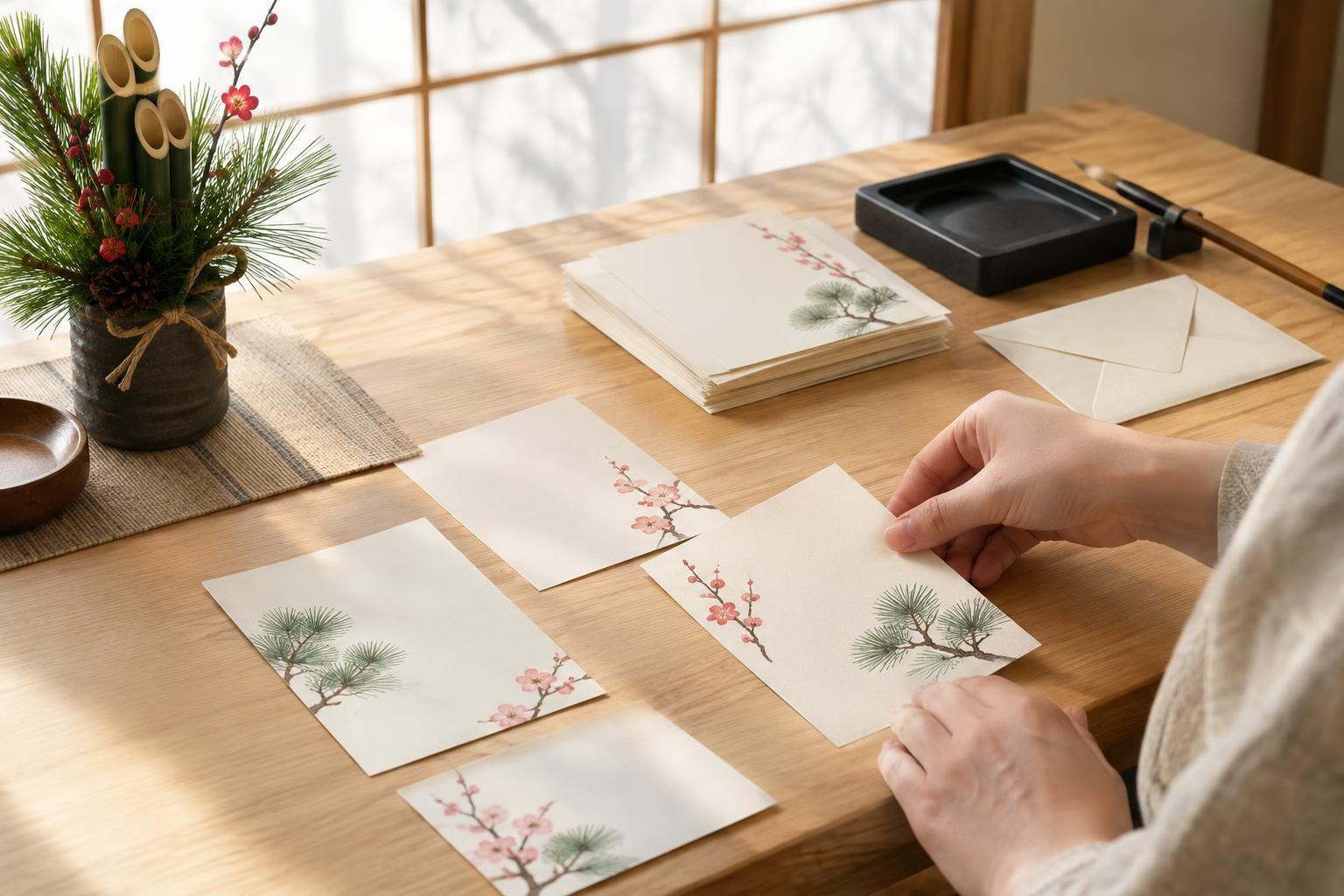
Seasonal TraditionsNengajō are Japanese New Year greeting cards sent to welcome the coming year and reconnect with friends, relatives and colleagues. Learn when to mail them, what to write, and how to handle late cards and sensitive situations with care.
Read article · 4 min↗
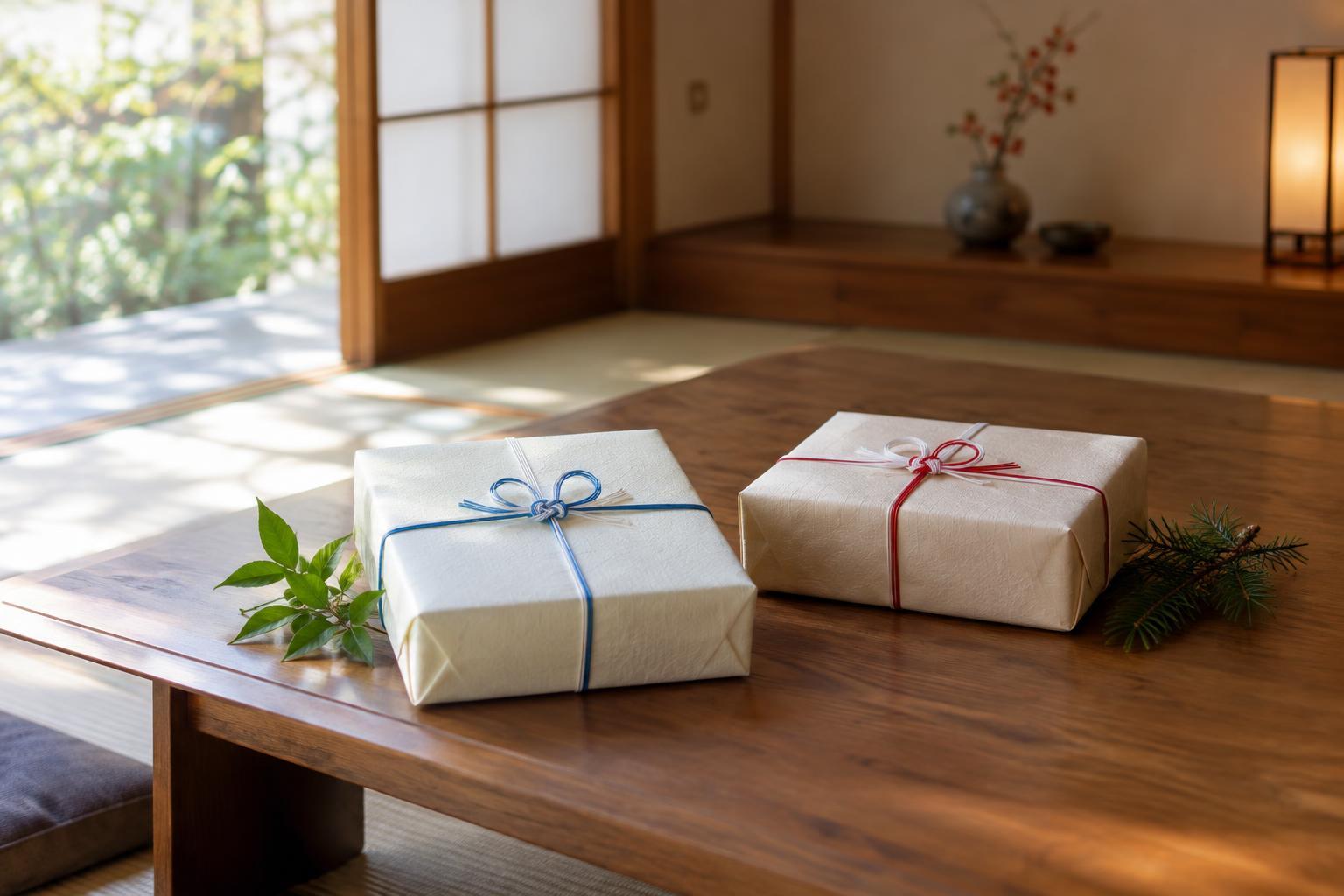
Seasonal TraditionsOchūgen and oseibo are both ways to express thanks, but they fall at different points in the year. Learn when each is usually given, whom it may be appropriate to thank, and how to choose a considerate gift without treating etiquette as a rigid rulebook.
Read article · 3 min↗
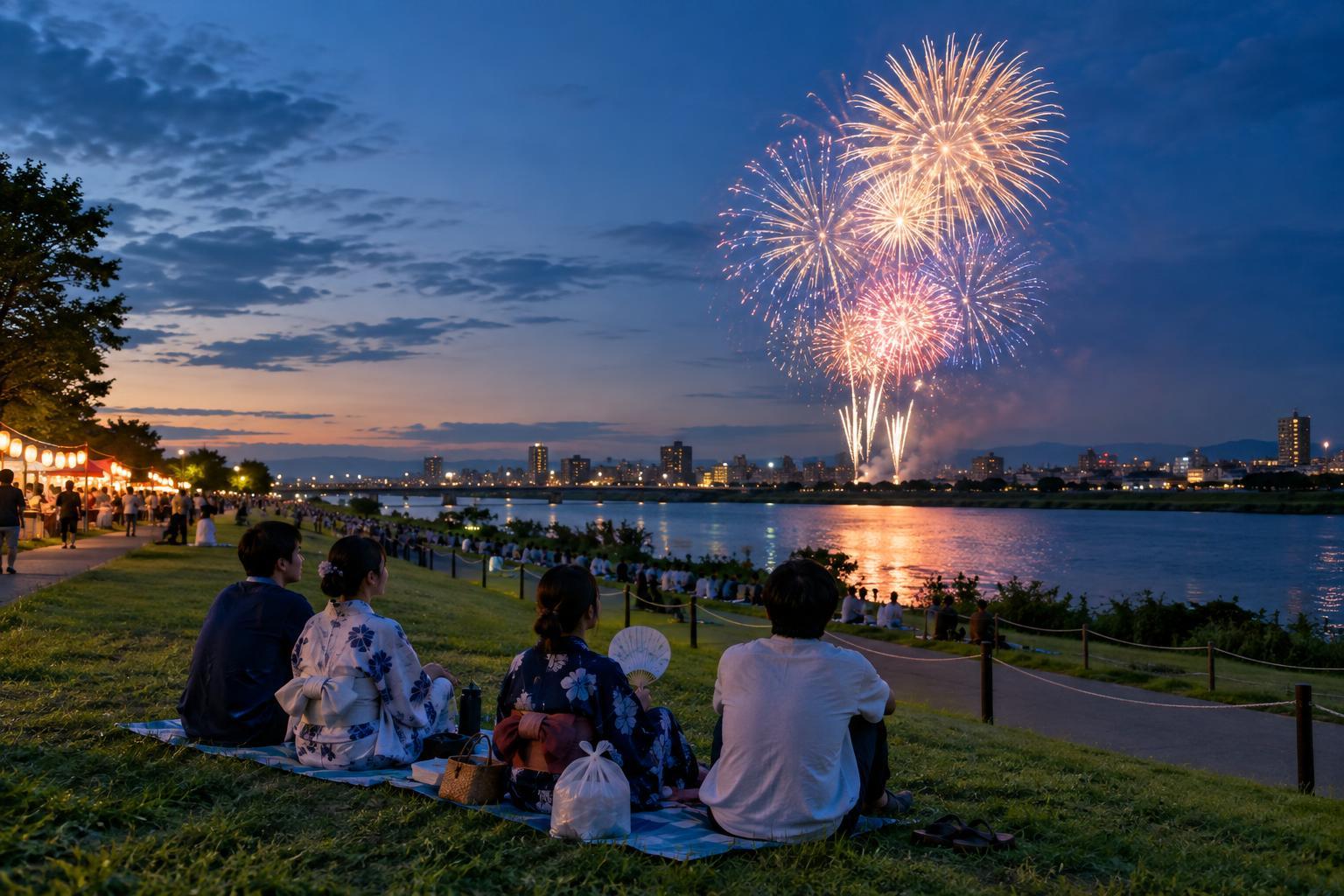
Seasonal TraditionsA summer fireworks display can be a memorable way to spend an evening in Japan. Learn how to plan your visit, choose a viewing spot and follow local rules so the experience stays enjoyable for you and the people around you.
Read article · 4 min↗
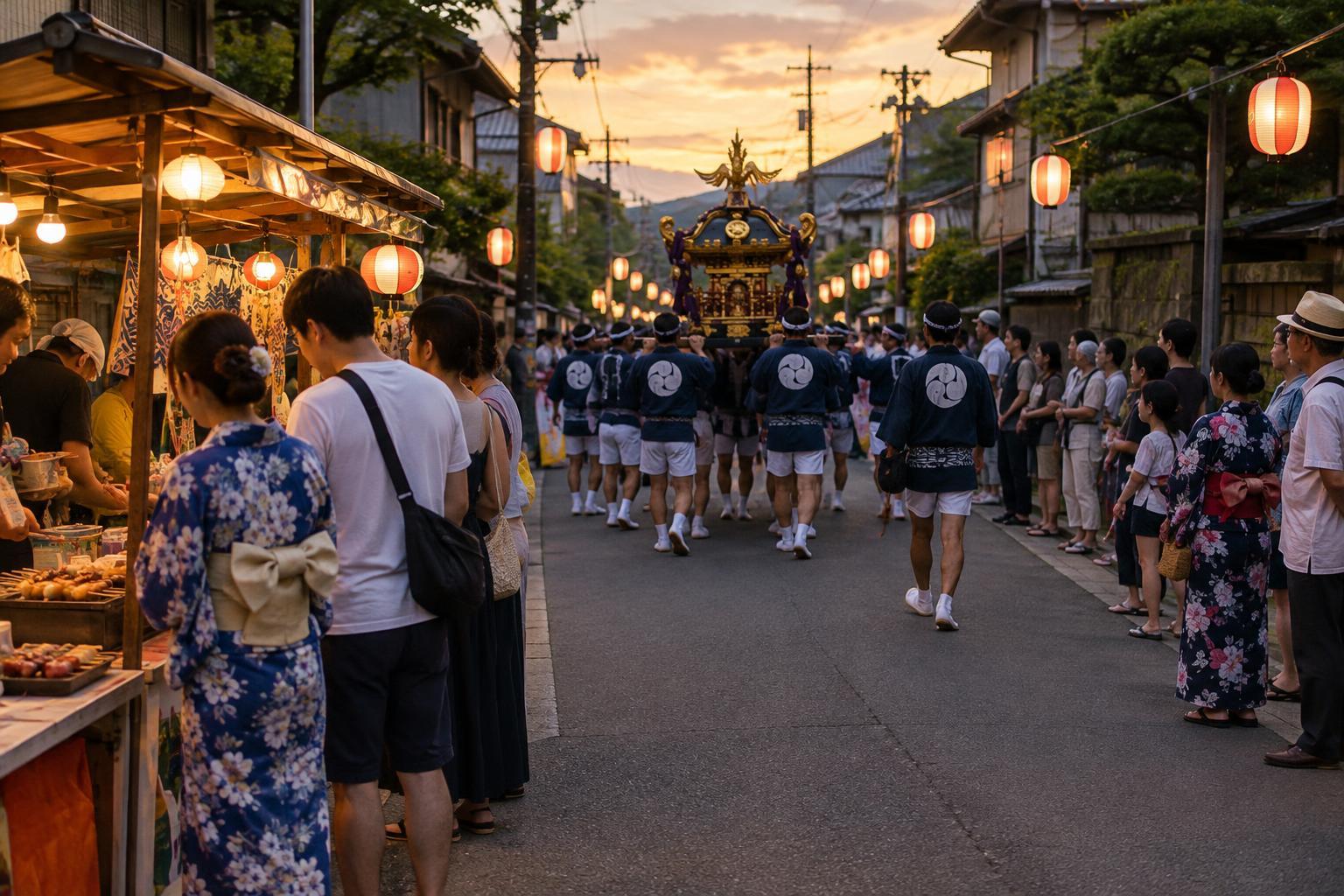
Seasonal TraditionsA summer matsuri can be a lively introduction to a neighborhood’s traditions. Learn what you might find at the stalls, how to watch a procession respectfully, and how to enjoy the evening without getting in the way.
Read article · 4 min↗
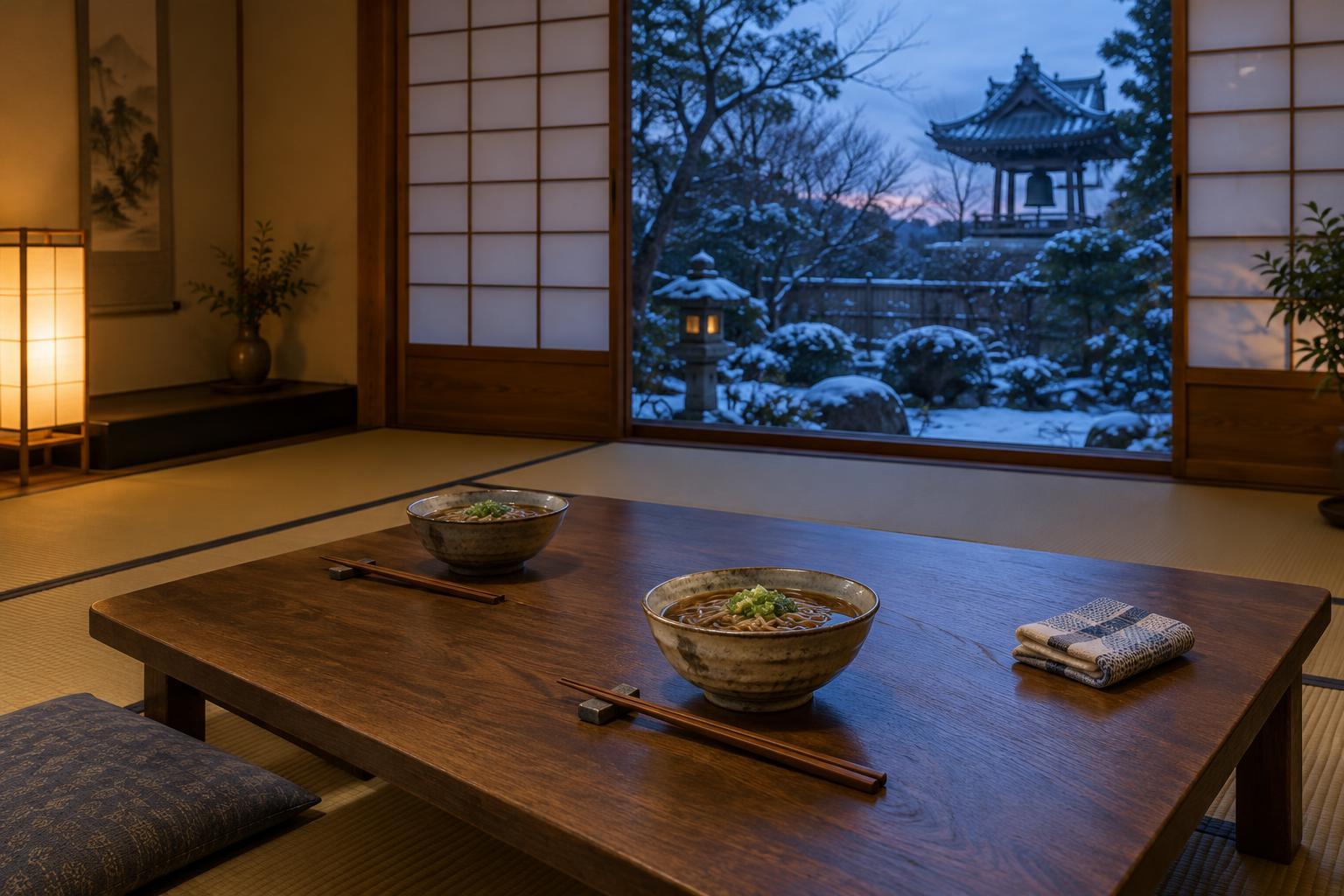
Seasonal TraditionsŌmisoka, Japan’s last day of the year, often brings together a final tidy-up, a bowl of toshikoshi soba and the sound of temple bells. Learn what these customs mean and how to make room for them at home without treating any one household’s routine as a rule.
Read article · 4 min↗
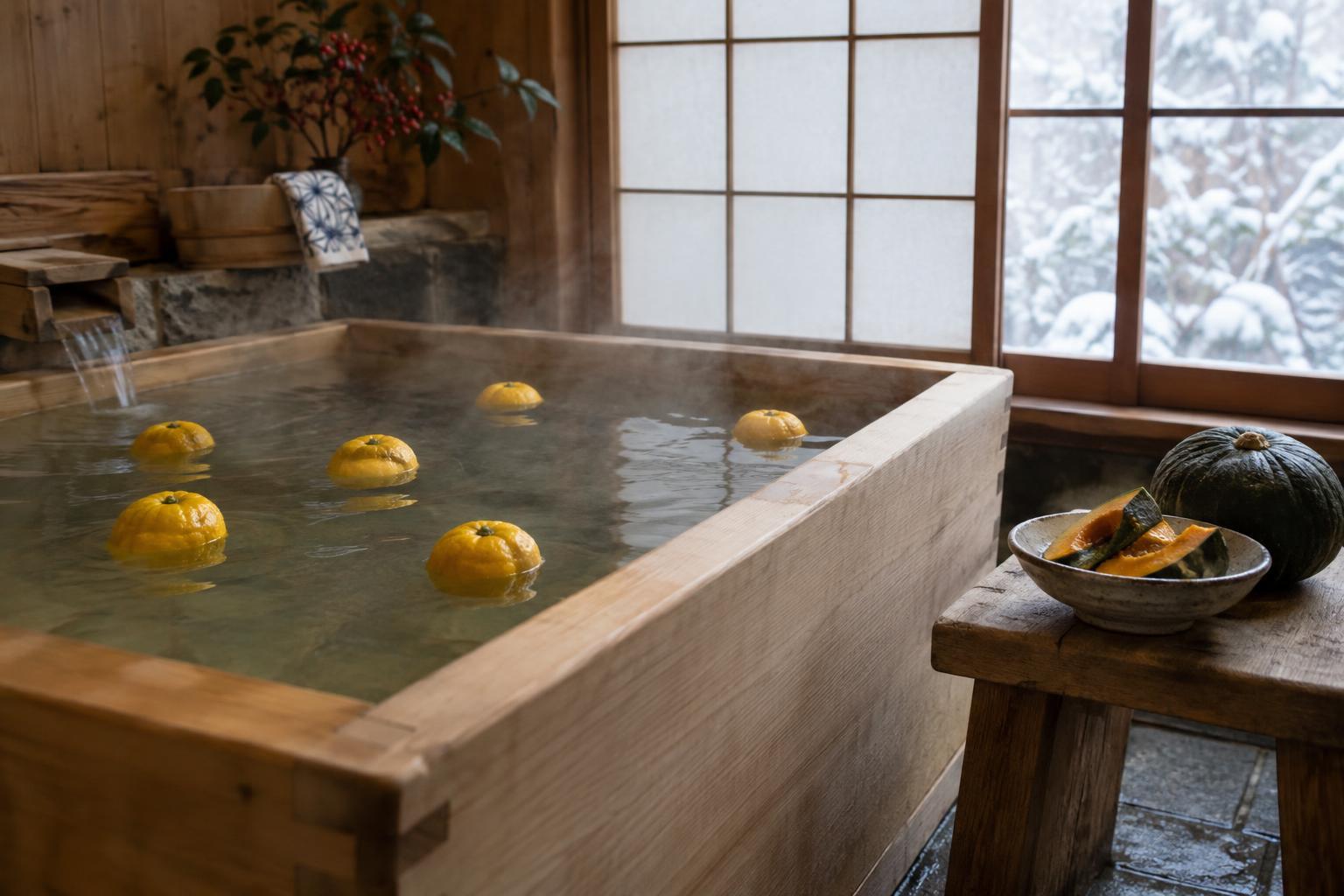
Seasonal TraditionsJapan’s winter solstice, or Tōji, brings together a turning point in the daylight and two familiar seasonal customs: bathing with fragrant yuzu and eating kabocha squash. Here is what these traditions mean and how to explore them thoughtfully at home.
Read article · 3 min↗
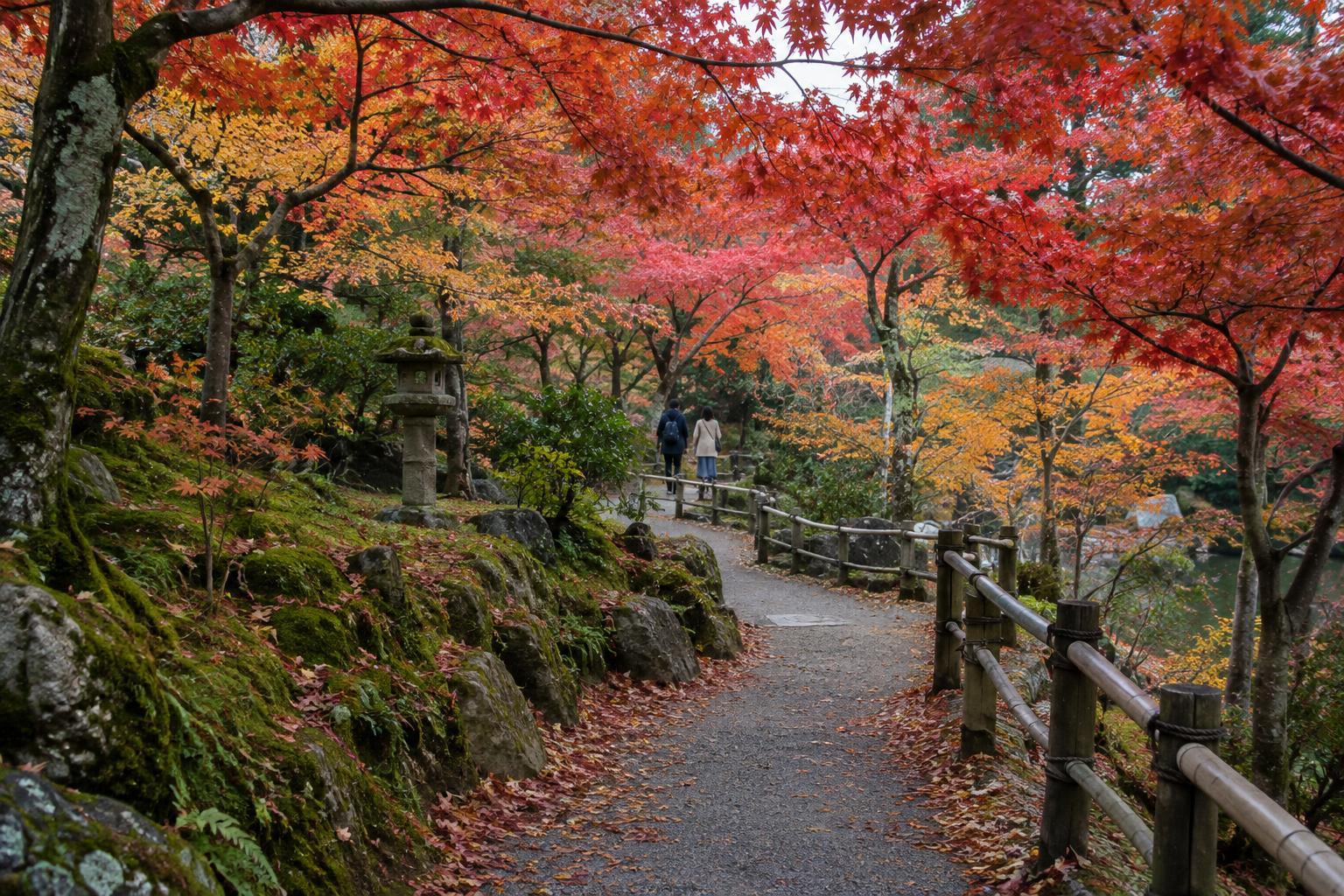
Seasonal TraditionsMomijigari is a way to slow down and appreciate autumn color in Japan. Learn how to plan a comfortable outing, notice more than the brightest leaves, and respect the gardens, paths and people that make the experience possible.
Read article · 4 min↗
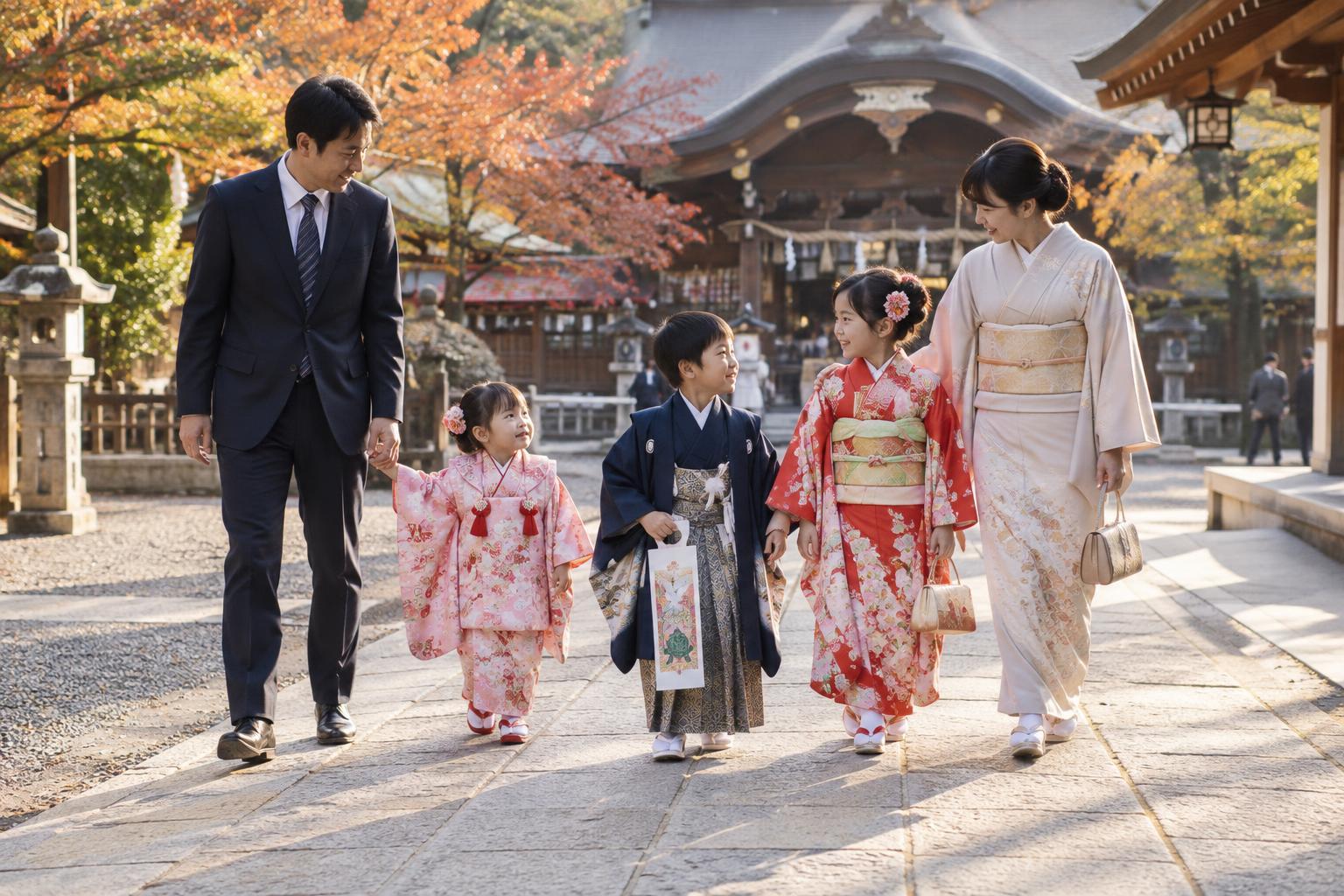
Seasonal TraditionsShichi-Go-San celebrates children at ages three, five and seven. Learn what those milestones represent, why families visit shrines, and how clothing, photographs and chitose ame fit into the day.
Read article · 3 min↗
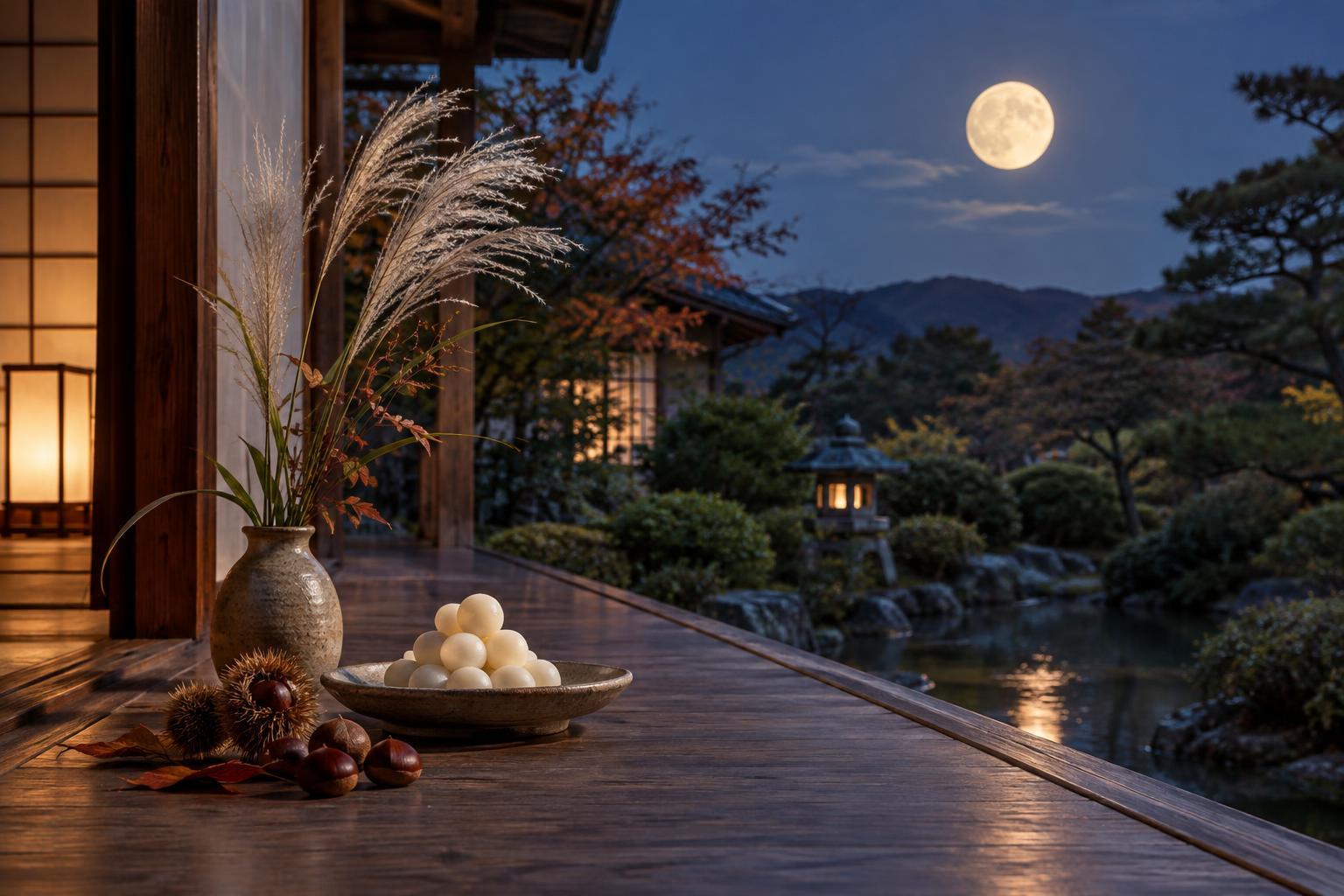
Seasonal TraditionsTsukimi is a Japanese custom of pausing to appreciate the autumn moon. Learn how moon viewing developed, what dango and seasonal offerings represent, and how to enjoy the tradition simply and respectfully.
Read article · 3 min↗
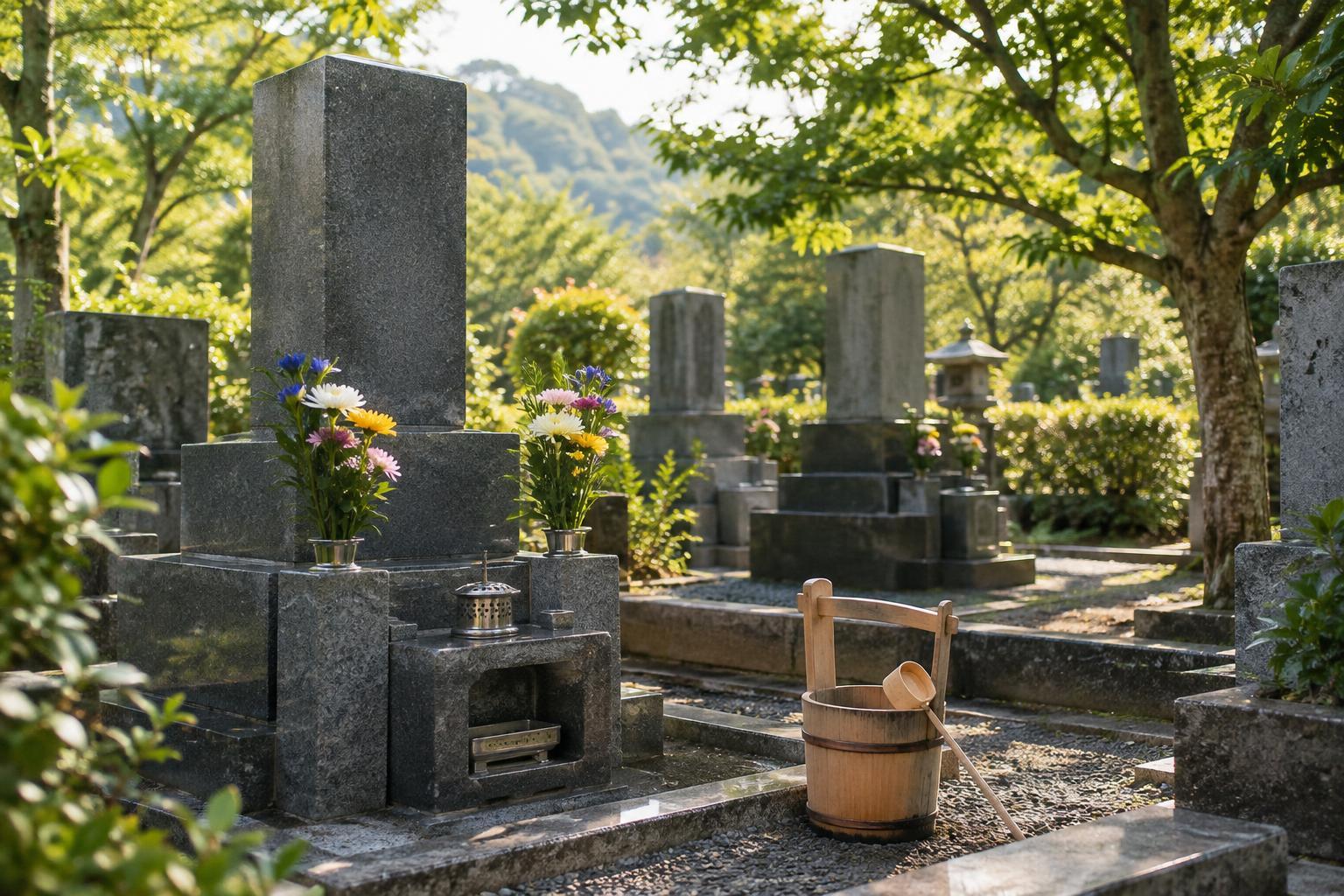
Seasonal TraditionsObon is a time when many families in Japan remember and welcome deceased relatives. Learn how home rituals, grave visits and community gatherings fit together, why the timing varies, and how to approach local customs with care.
Read article · 3 min↗
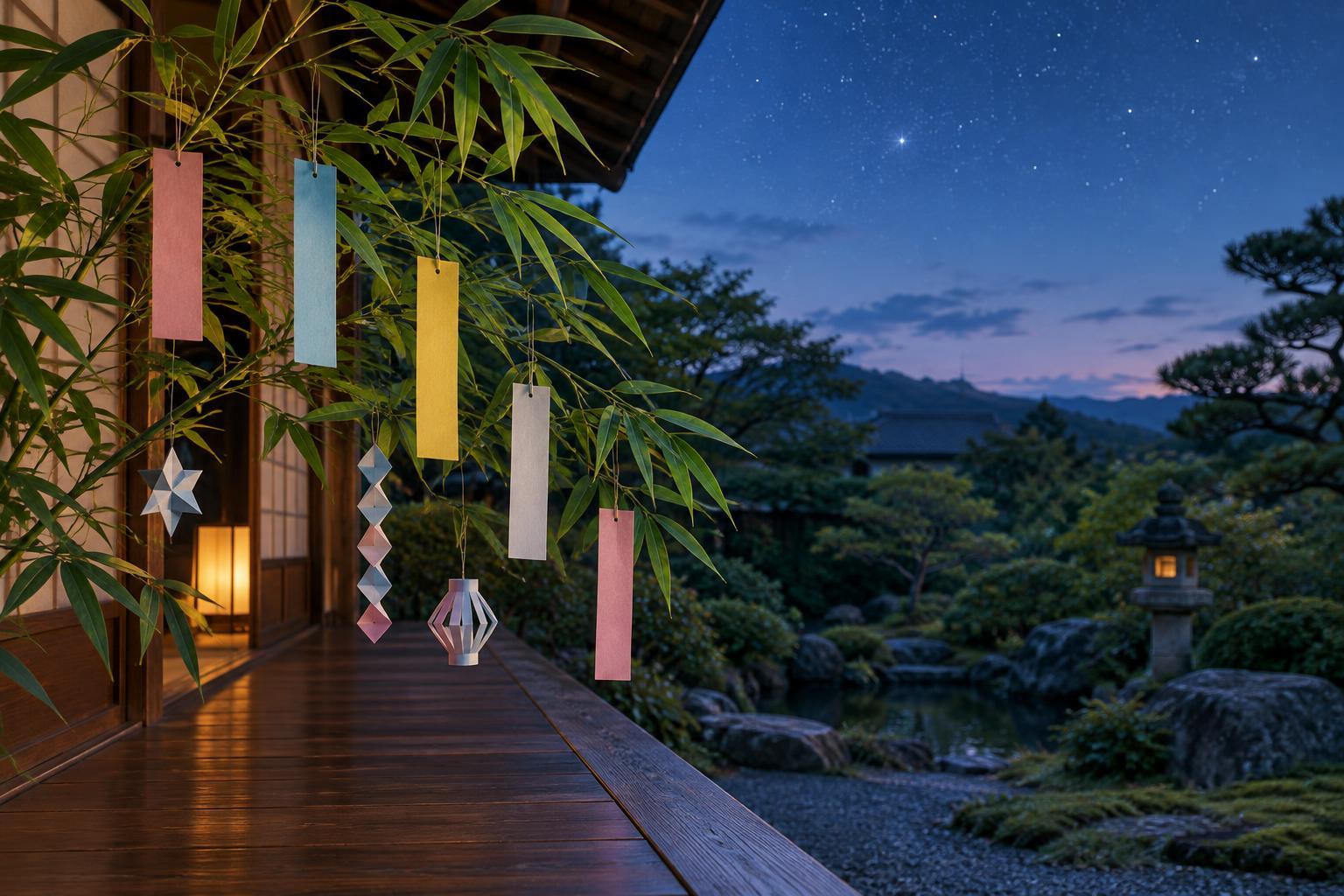
Seasonal TraditionsTanabata brings a story of two stars together with the simple pleasure of writing a wish. Learn who Orihime and Hikoboshi are, what the colorful paper strips mean, and why celebrations in Japan do not all fall on the same date.
Read article · 4 min↗
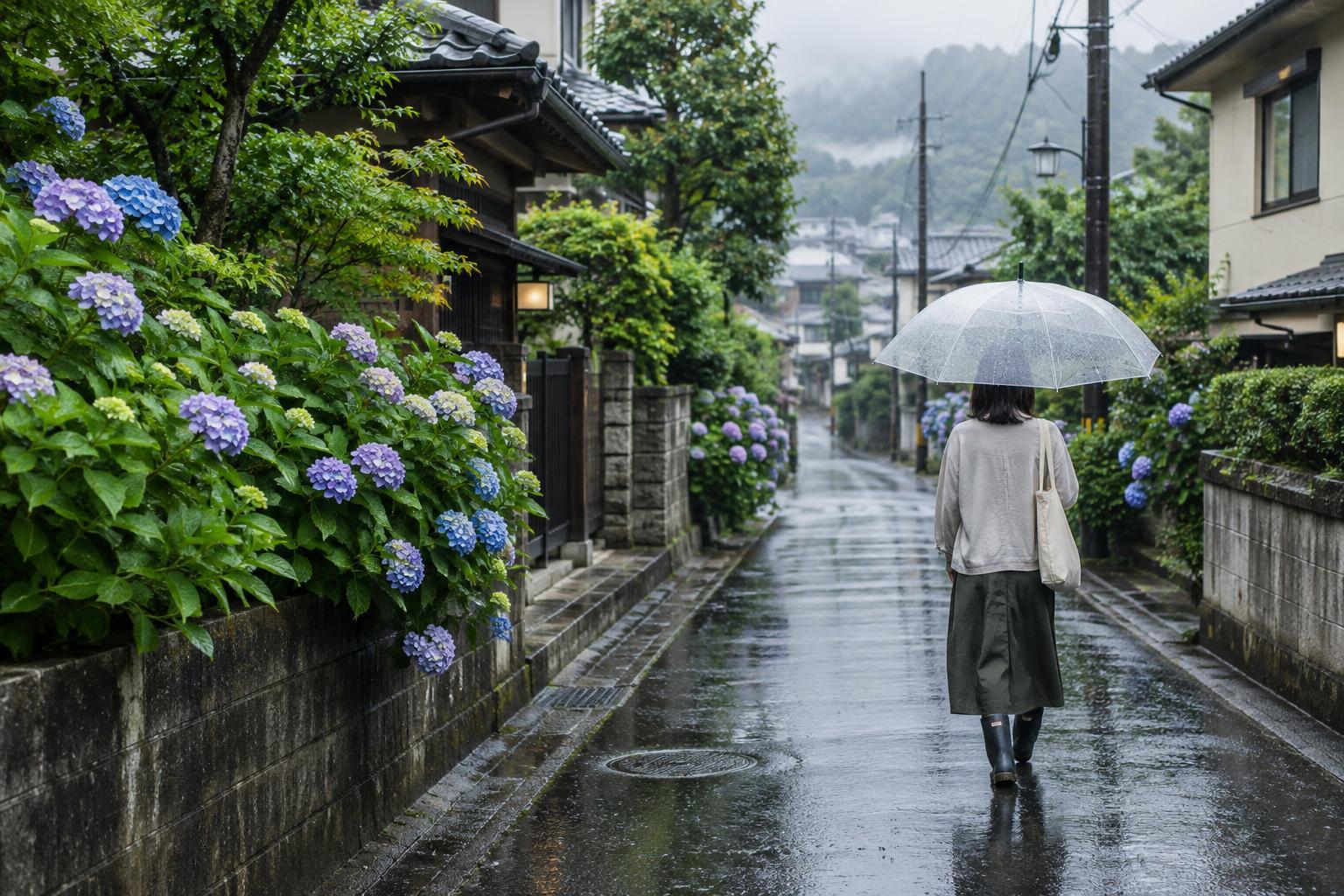
Seasonal TraditionsTsuyu brings humid air, changeable skies and a quieter rhythm to much of Japan. Learn when the rainy season generally arrives, why its timing varies by region, and how simple habits around laundry, footwear, umbrellas and outings make damp days easier.
Read article · 4 min↗
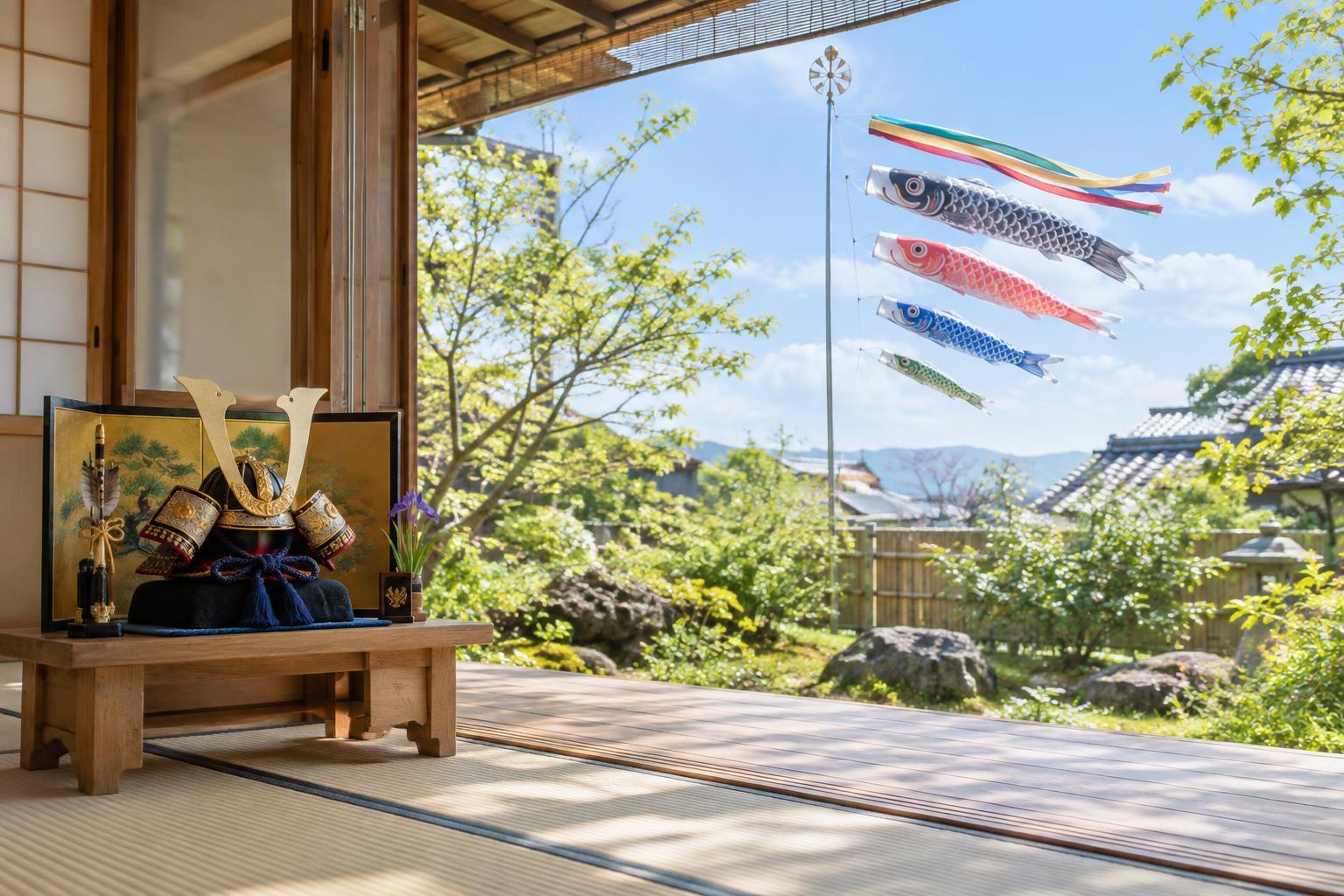
Seasonal TraditionsOn May 5, carp streamers and miniature helmets mark Children’s Day in Japan. Explore what these familiar sights mean, how the holiday grew from Tango no Sekku, and simple ways to appreciate its traditions.
Read article · 3 min↗
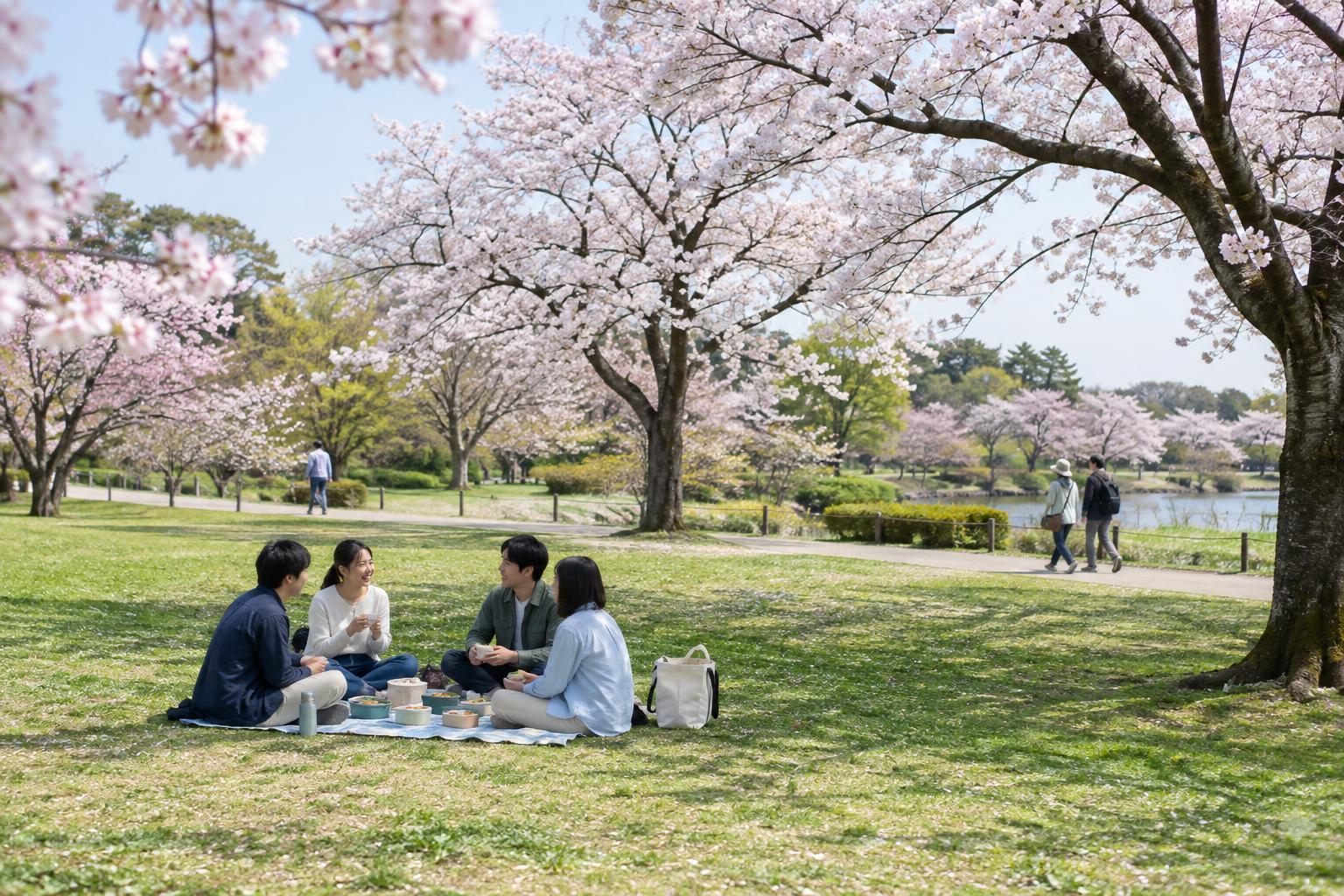
Seasonal TraditionsA cherry-blossom picnic is a chance to enjoy a fleeting seasonal view together. Learn how to choose a spot, protect roots and branches, manage food and rubbish, and share a busy park considerately.
Read article · 4 min↗
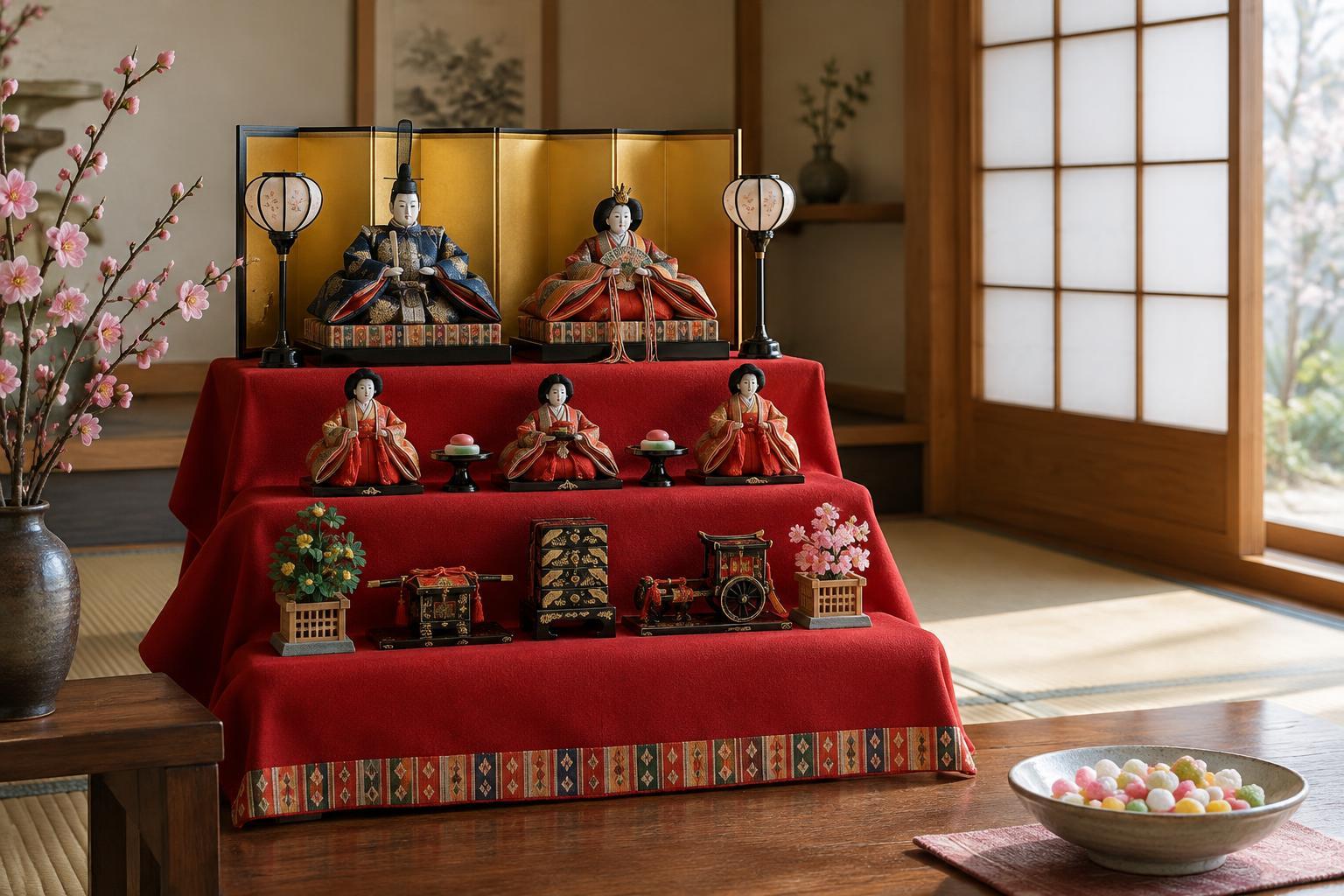
Seasonal TraditionsHinamatsuri, observed on March 3, brings doll displays and seasonal foods into many Japanese homes. Learn what the dolls represent, how families mark the day, and why the question of when to pack them away has both a practical answer and an old superstition.
Read article · 4 min↗
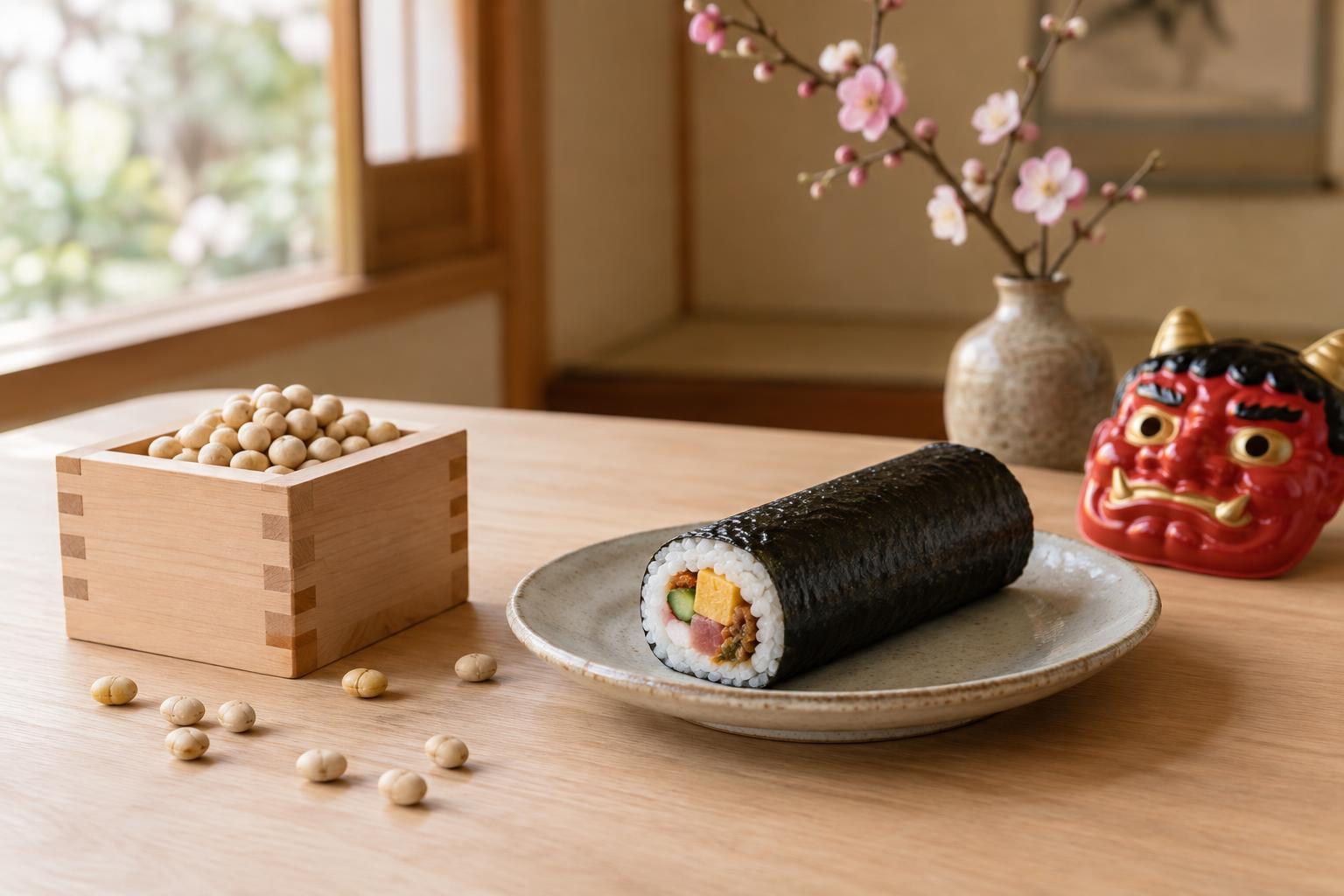
Seasonal TraditionsWhy do people throw beans at Setsubun, and what does a lucky direction have to do with dinner? Explore the customs that mark the approach of spring in Japan, along with simple ways to appreciate them.
Read article · 3 min↗
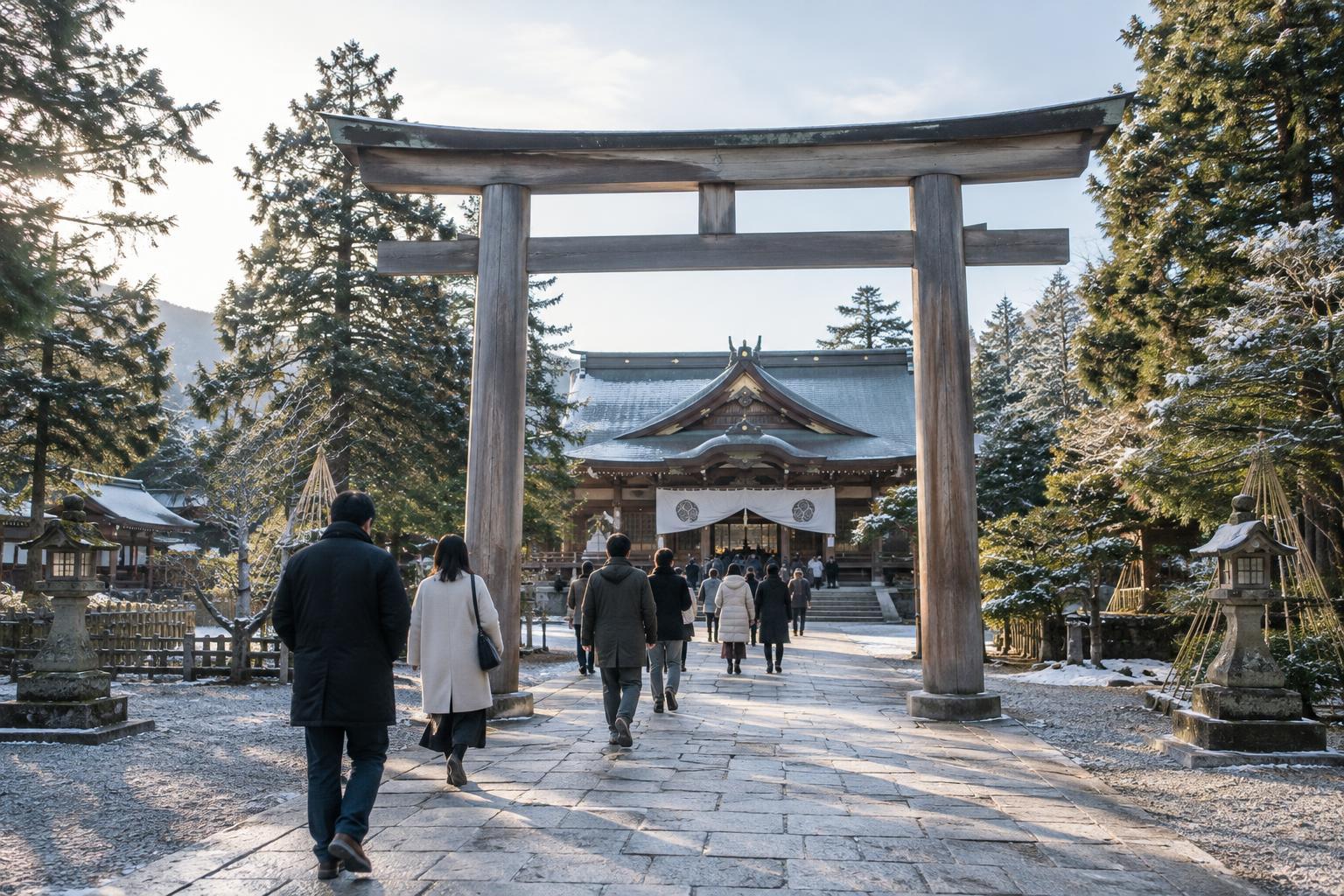
Seasonal TraditionsHatsumode, the first shrine or temple visit of the year, can be a memorable way to experience the New Year in Japan. Learn what to expect, how customs differ between shrines and temples, and how to take part respectfully without worrying about getting every gesture perfect.
Read article · 4 min↗
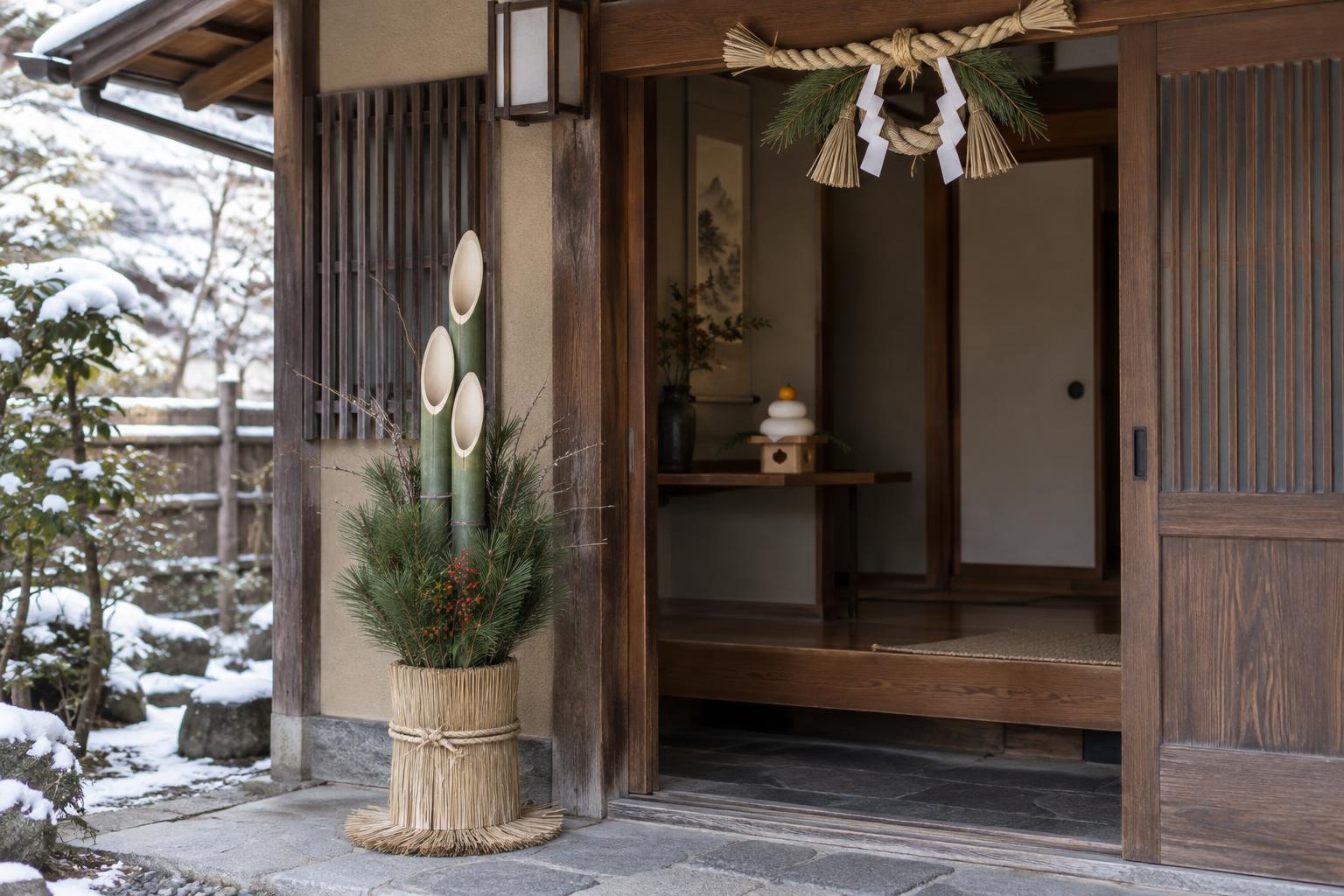
Seasonal TraditionsPine at the gate, a rope above the door and rice cakes inside the home each have a role in Japanese New Year celebrations. Learn what these decorations signify, how they differ and how to appreciate them without assuming every household follows the same custom.
Read article · 4 min↗
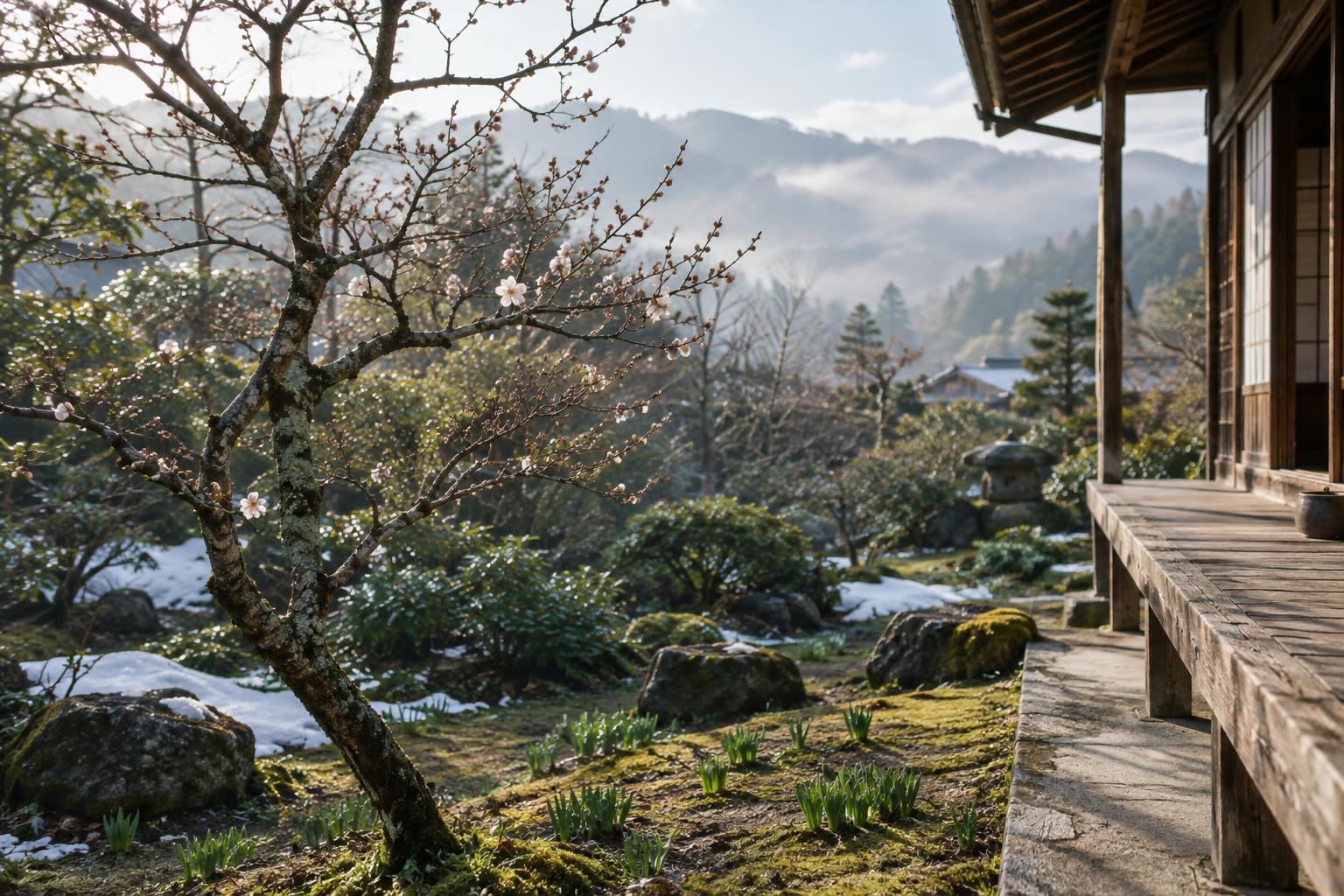
Seasonal TraditionsJapan’s 24 solar terms divide the year into small seasonal turning points. Learn where sekki come from, what their names describe, and how to use them as a gentle guide to noticing change.
Read article · 4 min↗