What makes a tatami mat
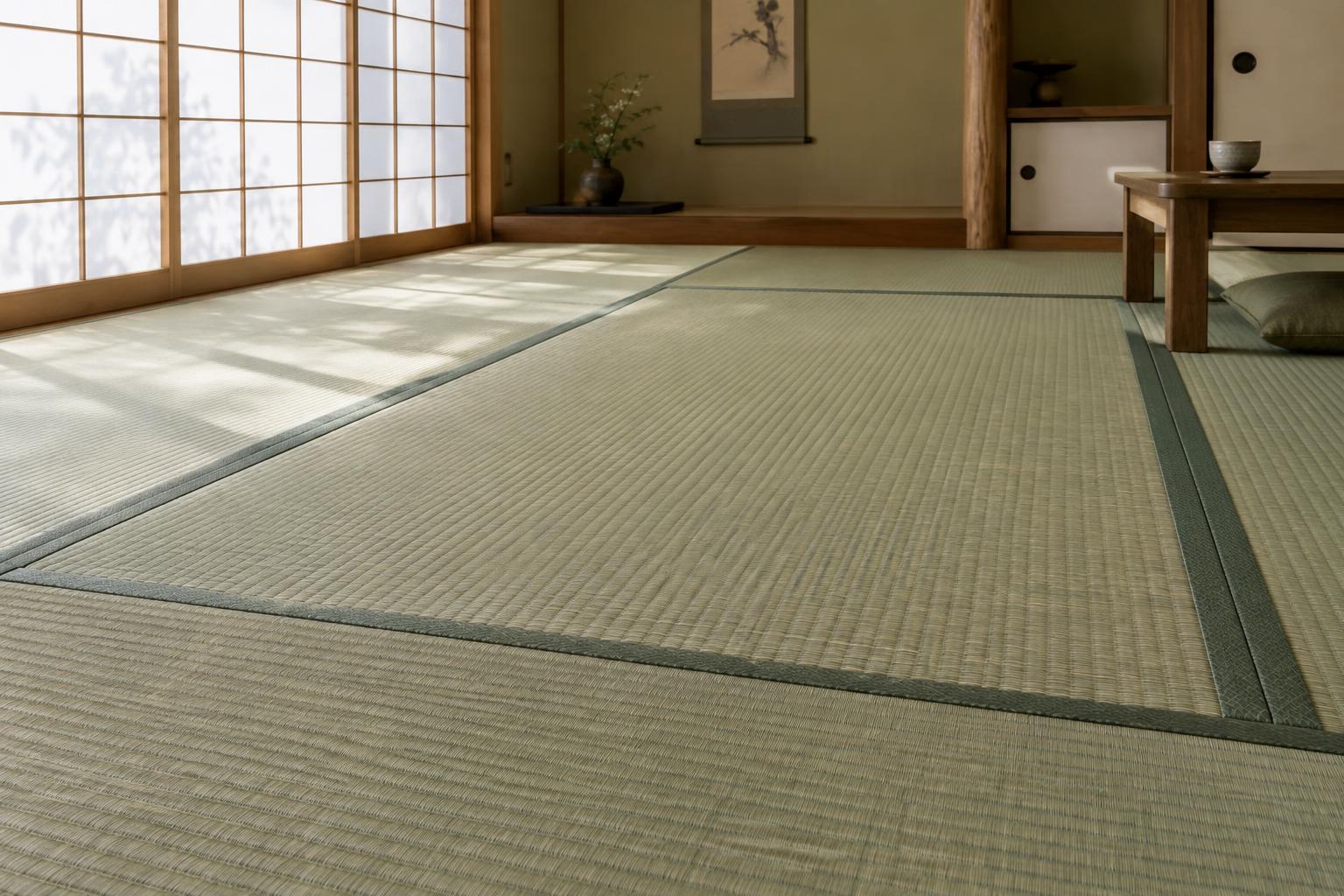
Tatami is a firm floor mat traditionally associated with Japanese-style rooms. A mat has a core, a woven surface and, on many styles, a fabric border along its long edges. Traditional materials include a straw core and a surface woven from igusa rush. Modern mats may use manufactured cores or alternative surface materials, so their weight, feel and care requirements can differ.
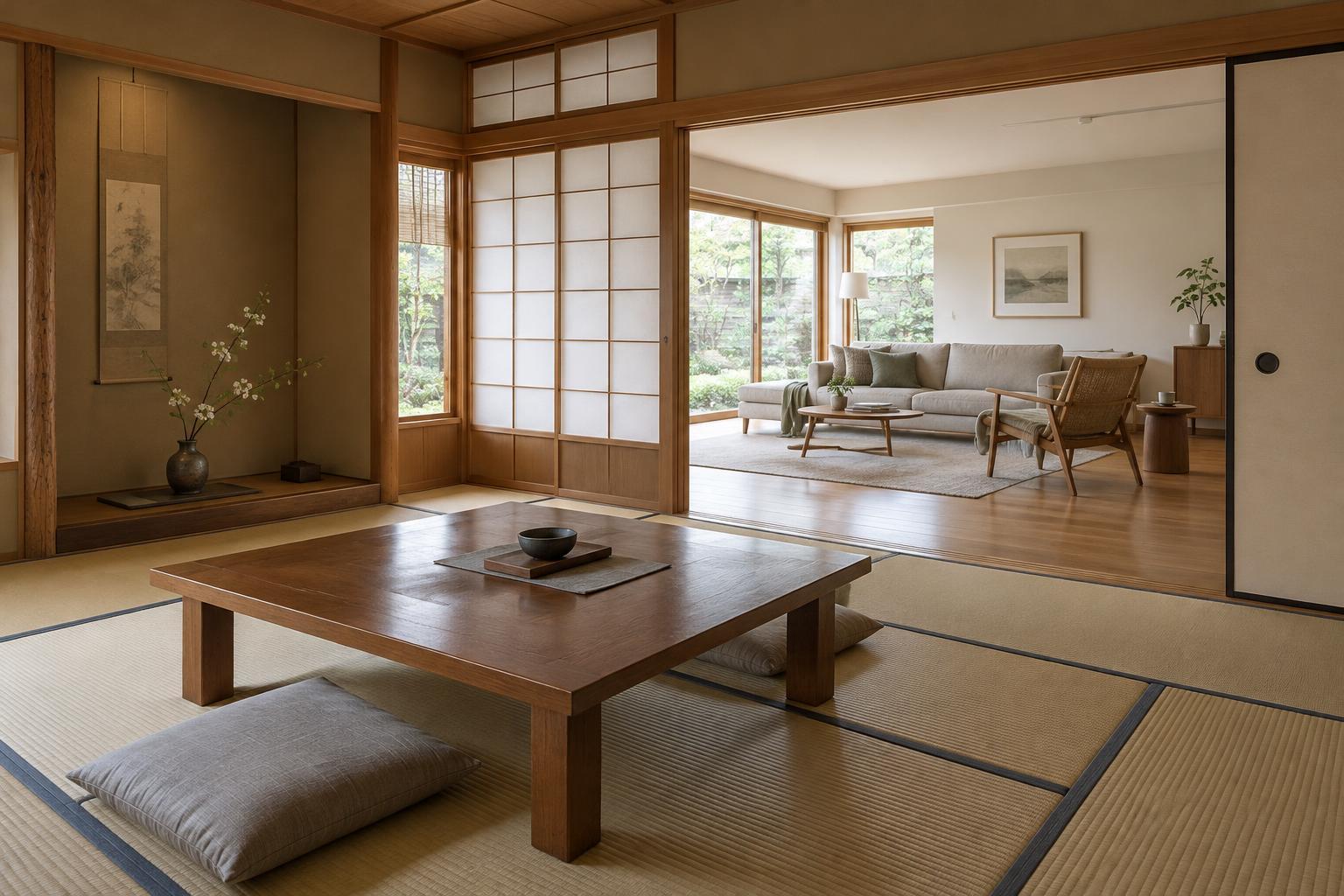
Tatami gives a room a surface for sitting, resting and moving about without shoes. It also changes how the room is furnished: low tables, floor cushions and bedding that can be put away leave the floor open for different uses. That flexibility is part of its appeal, but it depends on keeping the surface reasonably dry and free from prolonged pressure.
Why a “six-mat room” is not a precise measurement
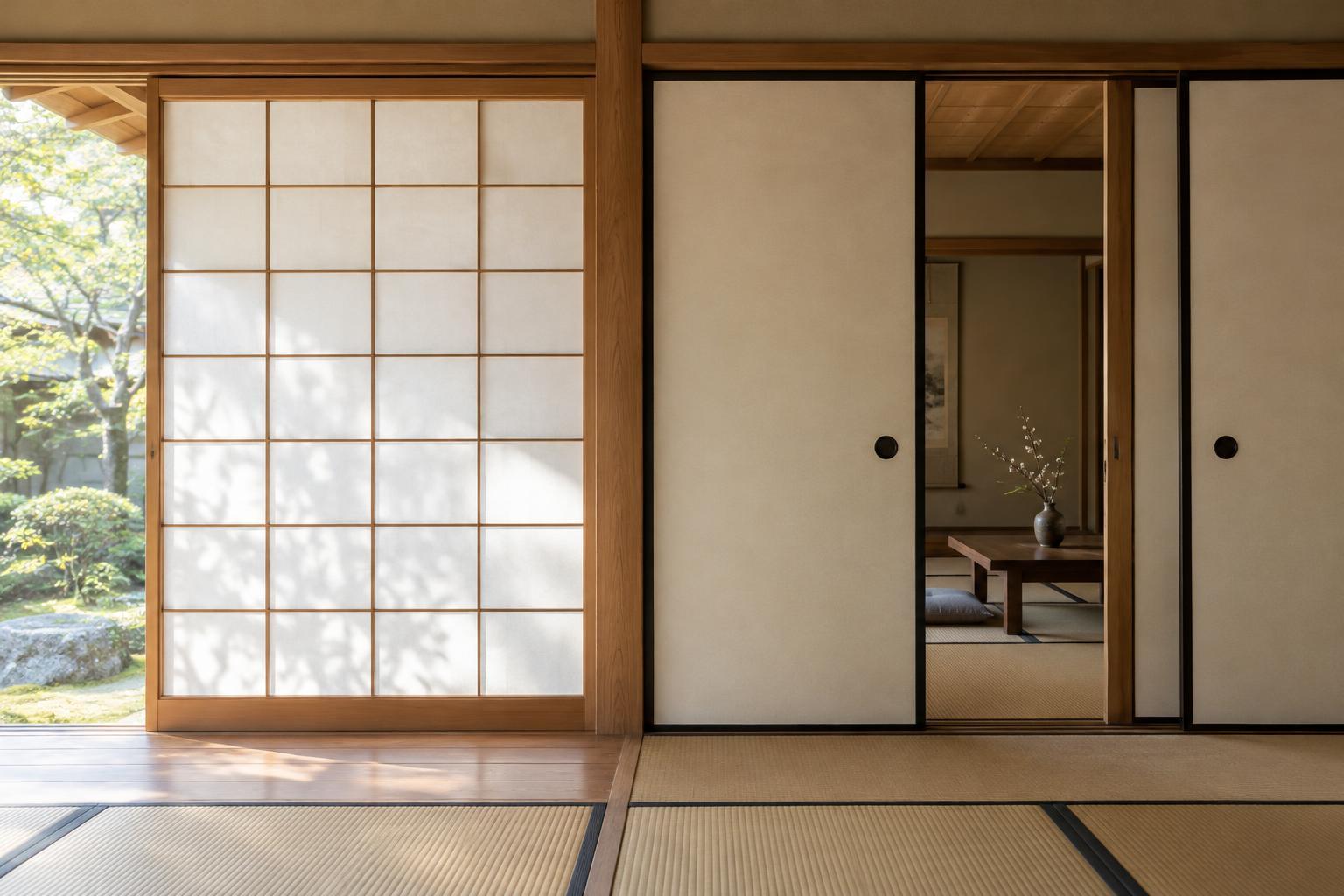
Japanese-style rooms are often described by the number of tatami mats they hold. That count is useful for imagining the layout, but it does not give an exact floor area. Tatami dimensions vary by region, building type and manufacturer. Names such as kyōma, edoma and danchima refer to different size conventions; even within a convention, the mats in a particular room may be made to fit its actual dimensions.
If you are replacing fitted tatami, measure the room and each existing mat rather than ordering by mat count alone. Check wall-to-wall dimensions at several points, and note door tracks, thresholds, alcoves and any irregular corners. Mats may look interchangeable while differing slightly in size. Before lifting them, mark their positions discreetly so they can go back where they fit.
For a new installation or a small tatami area, start with the available floor space and the dimensions supplied by the maker. Allow for the height of the mats as well as their footprint: a raised edge can affect doors and create a trip point. A supplier or installer can help plan fitted mats when the room is not perfectly square.
Planning placement around daily life
Think first about how people will enter and use the space. Leave a comfortable route from the doorway, and consider where a table, cushions or folded bedding will go. In a full tatami room, the arrangement of mat edges is part of the design. Layouts vary, so it is better to work from the room’s measurements and intended use than to assume every room follows one pattern.
Tatami is best placed on a sound, level base. If you are using removable mats over an existing floor, check the maker’s guidance on underlays, slip resistance and ventilation. Trapping moisture beneath mats can cause problems, particularly in a damp room. In a rental, confirm what can be placed over the existing flooring and whether doors will still clear the new surface.
Heavy furniture can leave impressions or wear the weave. Broad, smooth furniture feet or suitable protectors may help spread the load, though they should not trap moisture or mark the mat. Rearranging furniture occasionally can reduce uneven wear. Avoid dragging pieces across tatami, and consider whether a frequently used wheeled chair would be better kept on another surface.
A gentle everyday cleaning routine
Treat tatami as a woven surface rather than a floor to be washed. Remove shoes before stepping onto it, and lift away grit that could abrade the weave. For routine cleaning, use a vacuum on a gentle setting, moving in the direction of the weave. A soft brush can help with debris near the border. Test any attachment first if it catches or pulls at the surface.
For a small spill, blot it promptly with a clean, absorbent cloth instead of rubbing it into the weave. Avoid saturating the mat, using a steam cleaner or applying an unfamiliar cleaning product. Materials and finishes differ, so follow the maker’s instructions for stains. If a mat becomes soaked or develops a persistent musty smell, seek advice from its supplier or a suitable flooring specialist rather than covering the problem.
Managing light, air and long-term wear
Regular airflow helps tatami dry after ordinary changes in indoor humidity. Open the room when conditions allow, and avoid leaving damp objects or bedding on the floor. Bedding is usually put away after use, giving the mats beneath it a chance to air. If you place a rug over tatami, lift it periodically to check the surface below.
Natural igusa changes color with exposure to light and use. You can reduce uneven fading by moving objects occasionally or adjusting direct sunlight with curtains or screens. Some wear is part of a mat’s life, but fraying edges, a damaged border or a surface that no longer feels sound may call for repair or replacement. With accurate sizing, a practical layout and modest daily care, tatami can remain a useful part of an adaptable room.