What ma can mean in a room
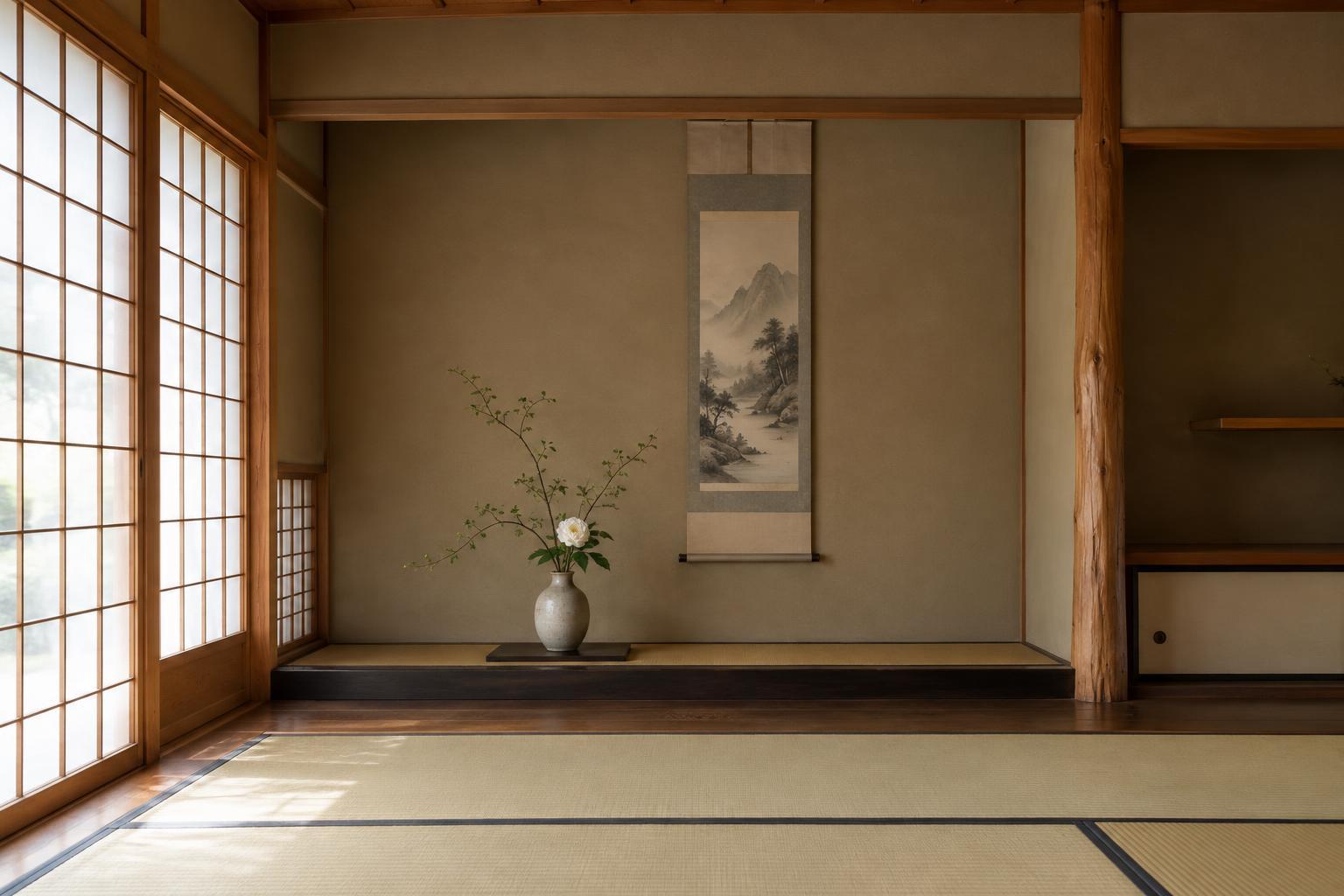
Ma is a Japanese idea often associated with the space or interval between things. In an interior, that might be the clear area around a vase, the pause between pieces of furniture, or the view from a doorway into a room. It is not simply a rule to own less. The useful question is how the occupied and unoccupied parts of a space work together.
This is one way to think about Japanese interiors, not a formula that describes every home in Japan. Rooms vary with their occupants, purposes, and available space. Applying ma thoughtfully means paying attention to your own room rather than trying to reproduce a particular look. Open space feels intentional when it helps you move, notice, rest, or use what is there.
Begin with the paths you actually use
Before moving objects for appearance’s sake, walk through the room as you normally do. Where do you enter? Where do you set down a bag, reach for a lamp, or sit with a drink? A clear path to those everyday destinations can do more for a room than an empty corner chosen at random. If a chair blocks the route to a window, moving it slightly may make the whole space feel calmer.
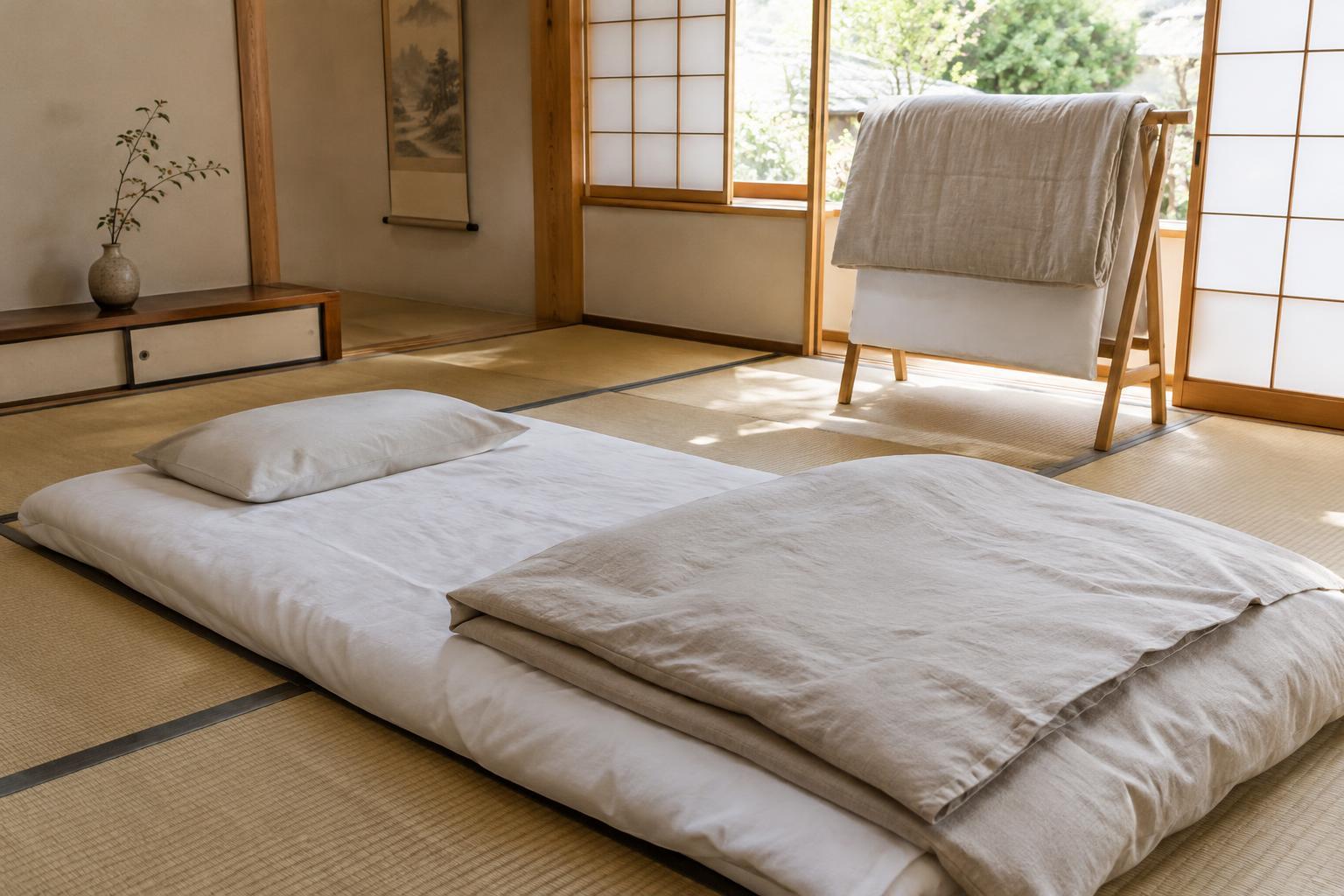
Consider the view from places where you pause: the doorway, a seat, or the edge of a bed. A small amount of clear floor or wall in that sightline can give the eye somewhere to rest. It need not be perfectly symmetrical. An open stretch beside a bookshelf, for example, may make the books easier to appreciate while leaving room for someone to pull up a chair.
Give meaningful objects breathing room
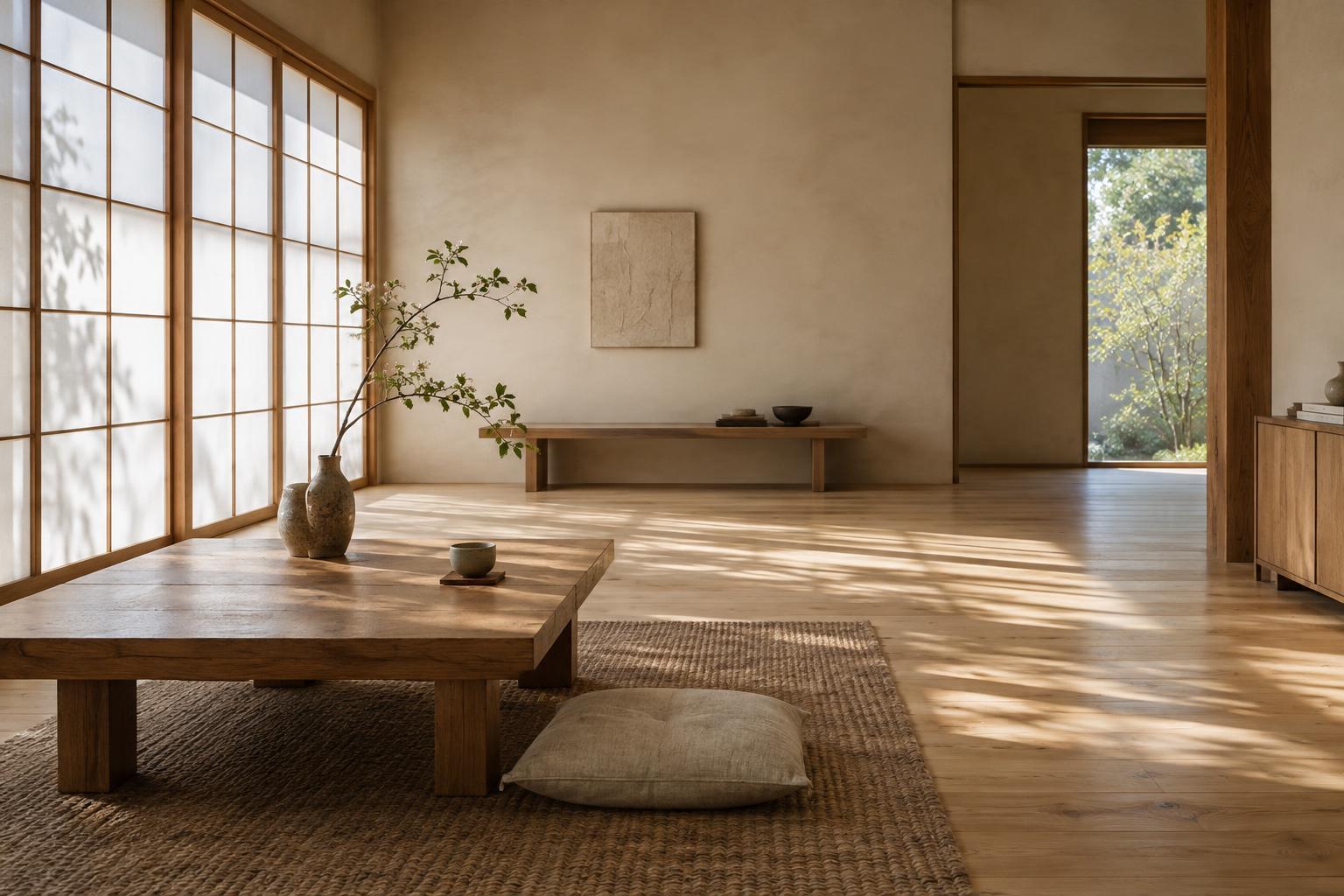
A shelf can feel complete without being filled from end to end. Try choosing one object you enjoy using or looking at, then leaving some space beside it. A ceramic bowl on a low table may have more presence when it is not surrounded by several smaller decorations. The goal is not to make every object a display piece, but to let your attention settle naturally.
Grouping can help, too. A lamp, a book, and a small dish might form a useful arrangement on a side table, with the remaining surface kept free for a cup. That clear area is doing a job. If an empty surface invites a pile of mail, give the mail a convenient home nearby. Space that cannot support daily life is unlikely to stay open for long.
Use light and texture to keep openness welcoming
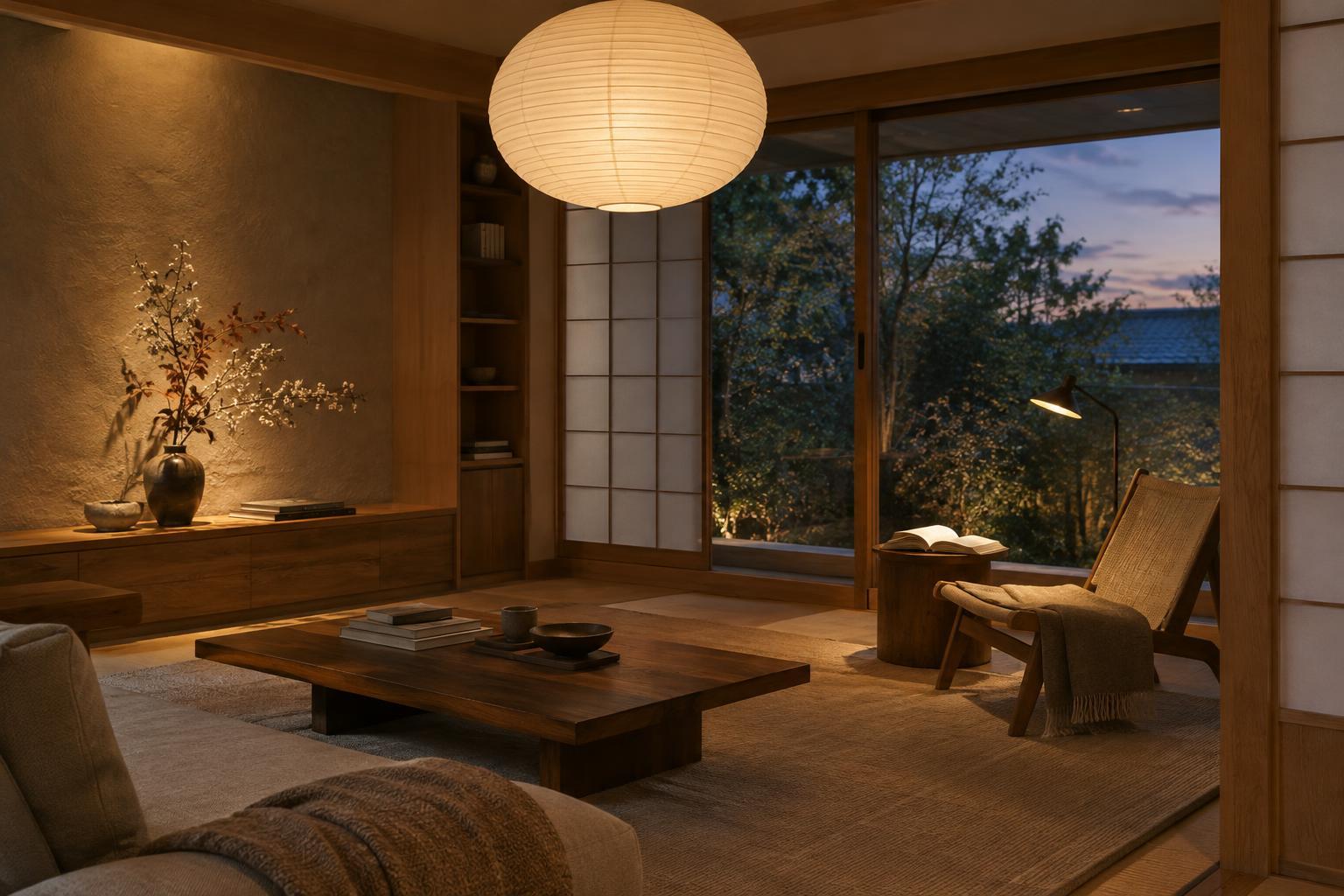
Open space can feel stark if everything around it is hard, glossy, or brightly lit. Notice what happens as daylight changes: a patch of wall may look different in the morning and evening, while a curtain can soften both the light and the edge of a window. At night, a lamp near a reading chair may make the surrounding open area feel gentle rather than vacant.
Texture gives quiet areas character without requiring more objects. Wood grain, a woven shade, a plain cushion, or the surface of a well-used table can provide visual interest at close range. You do not need to replace your furnishings with Japanese-made pieces to work with ma. Use the materials and belongings you have, and let a few contrasts—smooth beside rough, light beside shadow—remain visible.
Know when the room has enough space
A room is not unfinished because a wall is bare or a corner has no furniture. It may be unfinished if the openness makes an activity awkward: there is nowhere comfortable to sit, no light where you read, or no place to put things you use every day. Let function guide the decision. A modest chair might improve an open corner; another decorative object might not.
Make one change at a time and live with it for a few days. Remove a small cluster from a tabletop, shift a chair, or clear a route through the room. Then notice what becomes easier and what you miss. Ma is less about protecting empty space at all costs than about making room for the life happening around it. A welcoming interior can hold both a quiet pause and the reassuring signs that someone lives there.