What makes a kotatsu different?
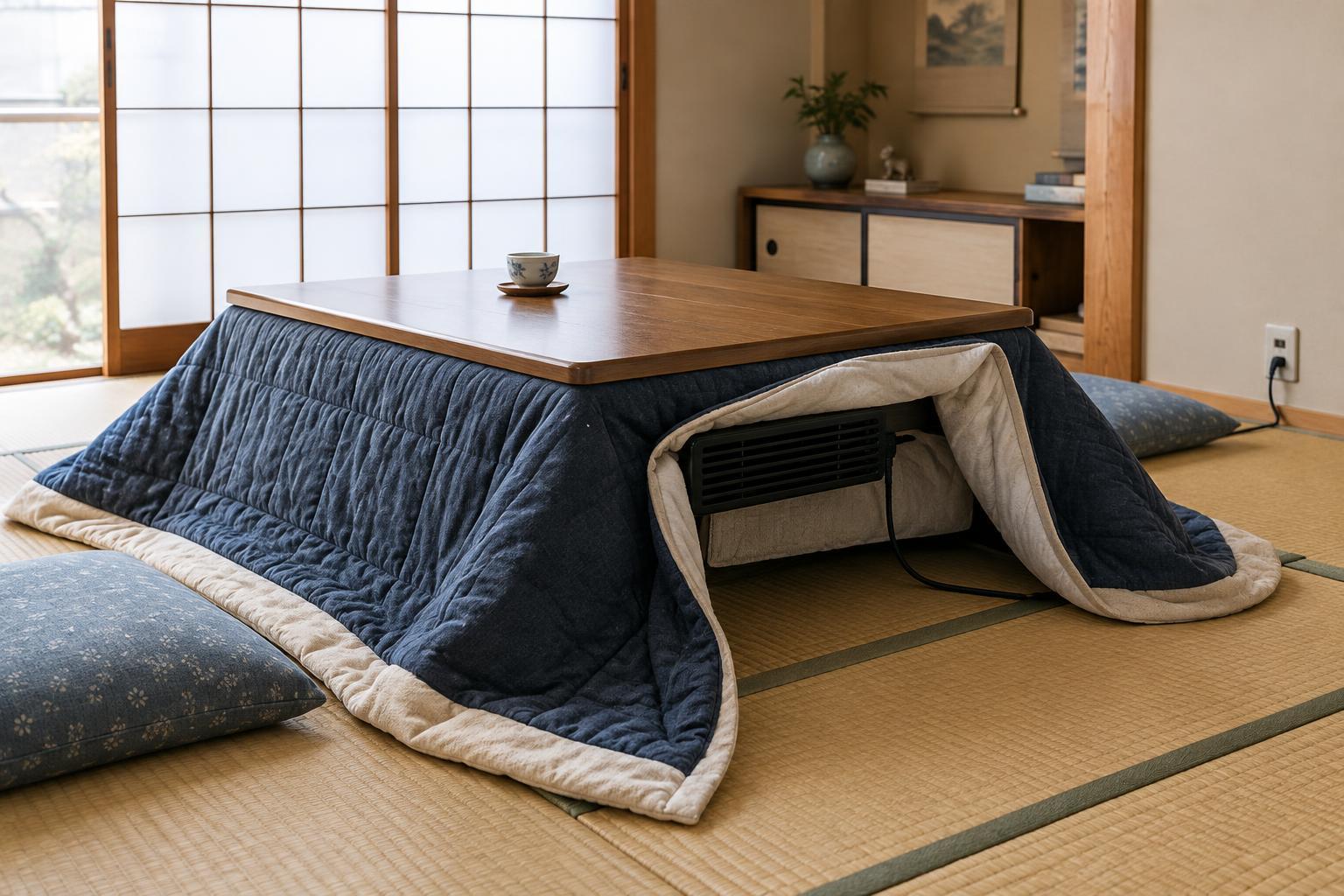
A kotatsu is a low table with a heat source beneath it and a thick cover draped over the frame. A tabletop rests above the cover, leaving a usable surface for meals, reading or conversation. People sit around the table and place their legs under the cover, where warmth collects. Rather than heating an entire room, a kotatsu creates a shared warm spot within it.
Today’s household kotatsu usually use an electric heater fitted to the underside of the table. Older forms could use charcoal, but they work differently and bring additional ventilation and fire concerns. If you are shopping for a kotatsu or learning to use one in a home, it is best to follow the instructions for the particular modern electric model in front of you.
How the layers hold the warmth
The basic arrangement is simple: table frame, heater, cover and removable tabletop. The heater warms the space beneath the table, while the cover helps keep that warmth from escaping quickly. The tabletop weighs down the cover and provides a stable surface. Some setups also include a mat or rug beneath the table to make floor seating more comfortable.
A kotatsu cover should be the type intended for the table and heater, not an improvised pile of blankets pushed against the heating unit. Check how the cover is meant to hang and where the heater needs clear space. The aim is to keep warm air around your legs without blocking the appliance or letting loose fabric touch parts that the manufacturer says must remain clear.
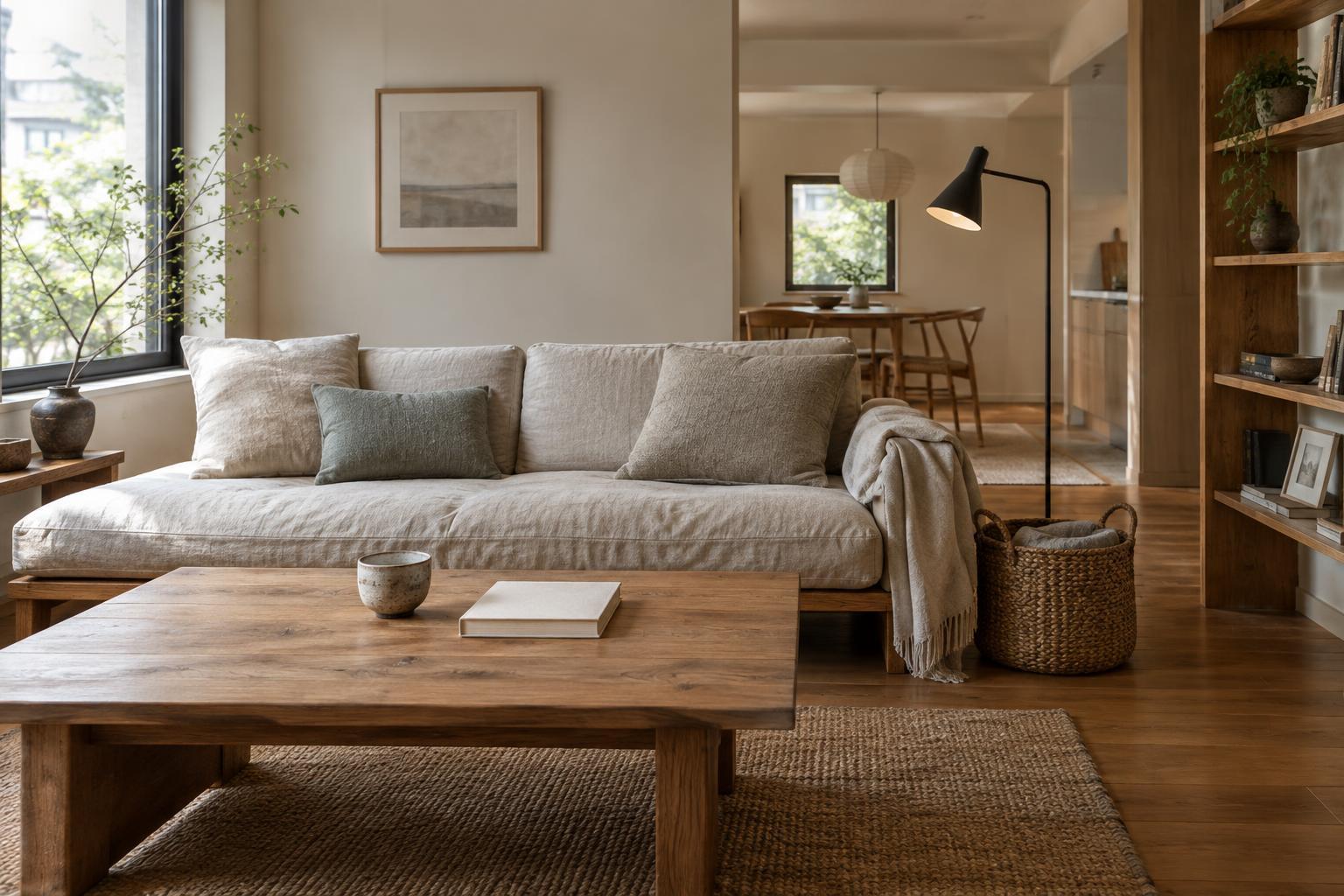
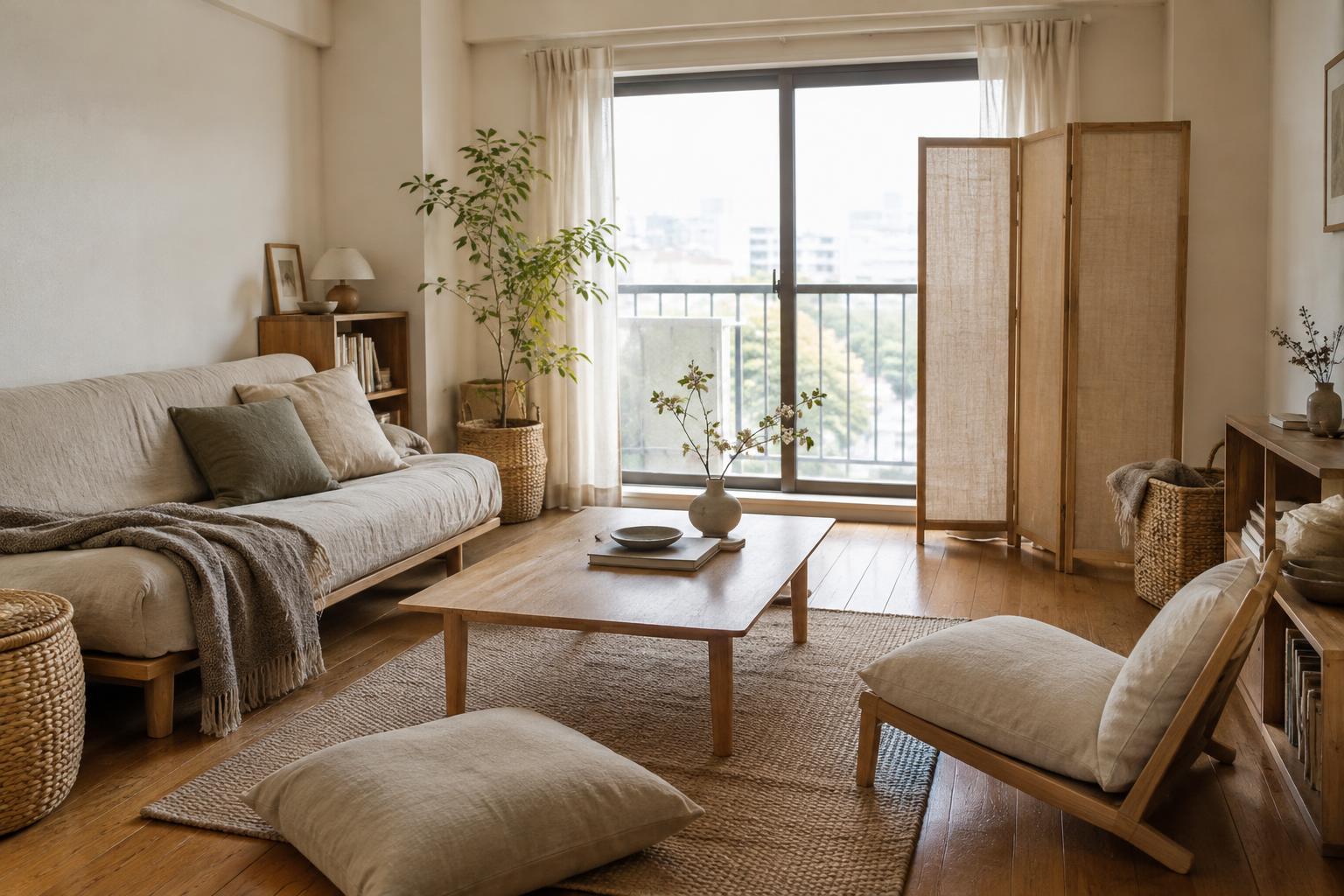
Kotatsu encourage a different rhythm from sitting at a desk or on a sofa: people can settle in close to the tabletop, often on cushions or floor chairs. You do not need a particular style of room to appreciate one. What matters more is a comfortable way to sit, enough space to move around the table and a sensible place for its power cord.
Setting one up at home
Start with a level, stable surface and assemble the table according to its instructions. Confirm that the heater is securely fitted and that the tabletop sits properly over the cover. Arrange cushions or floor chairs so nobody has to strain to reach the table. Keep the route around it clear, especially if people may stand up after sitting for a while.
Check the appliance label and manual before plugging it in. If you are using a kotatsu outside the market it was made for, verify that its electrical requirements match your local supply; a plug adapter alone does not make an incompatible appliance safe. Use the type of outlet, cord and any accessories specified by the manufacturer, and keep the cord where it will not be pinched under furniture or become a trip hazard.
Once it is running, begin at a moderate setting and adjust for comfort. Warmth can build beneath the cover even when the room feels cool. Keep drinks and other liquids away from the heater and controls, and avoid storing paper, clothing or other items in the heated space.
Everyday habits for safer use
Treat a kotatsu as an operating electrical appliance, not as a bed. Turn it off when you leave the room or finish using it, and avoid falling asleep beneath the cover with the heater on. Children and pets may be drawn to the warm space; supervise them and make sure they cannot pull at the cord or rest against the heater.
Pay attention to changes in how the unit behaves. If you notice a damaged cord, an unusual smell, scorching, sparking or a heater that seems to run abnormally hot, switch it off, unplug it when safe to do so and stop using it until it has been checked or replaced. Do not cover vents or attempt a repair beyond what the manual allows.
Finally, give the kotatsu a little care between uses. Let it cool before cleaning or storing it, follow the care label for the cover, and check that the fabric and cord are in good condition when you bring it out again. These small routines help preserve what makes a kotatsu appealing: an inviting place to gather and warm up together.