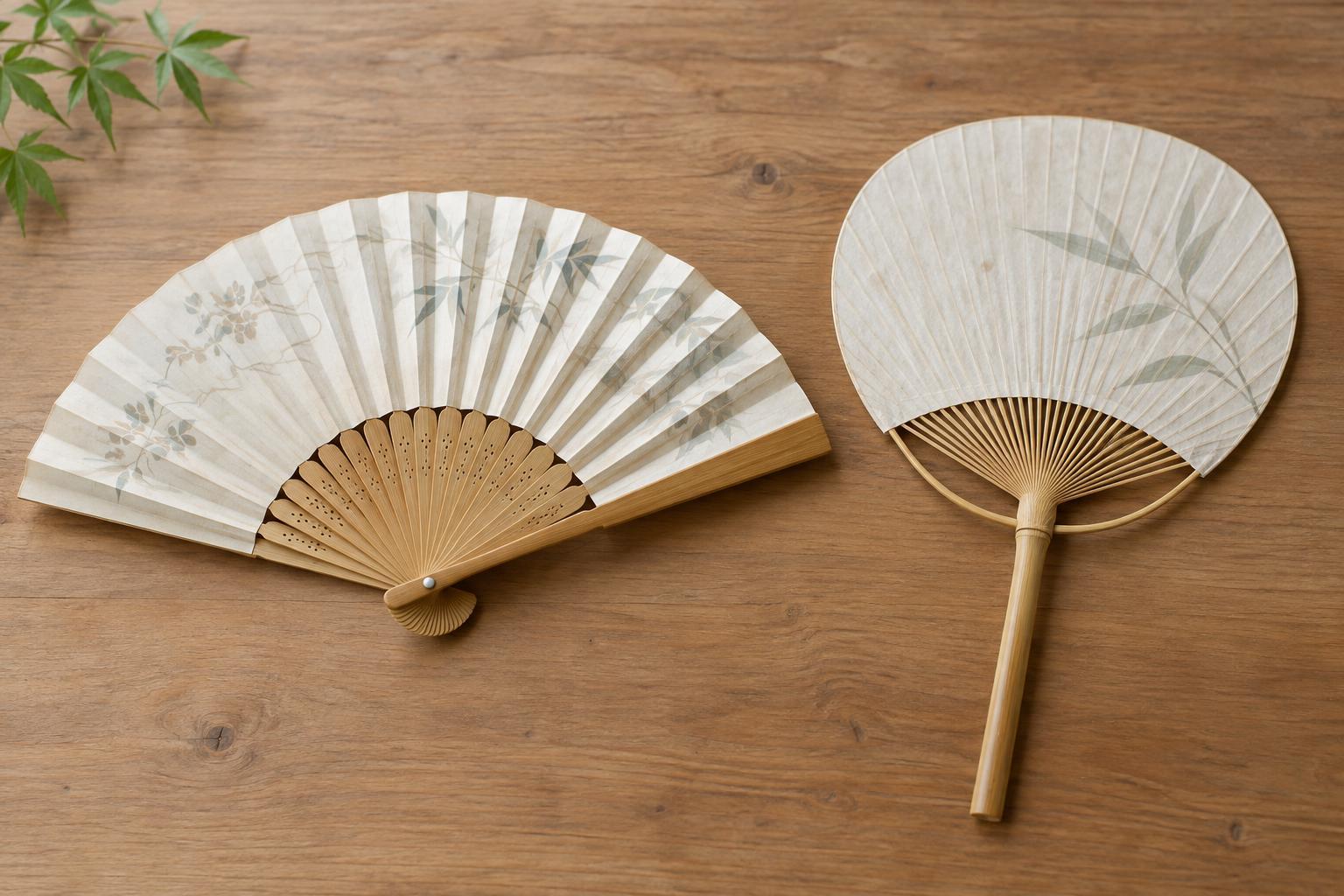
Japanese CraftsJapanese hand fans can be folding or fixed, decorative or made for regular use. Learn how to recognize sensu and uchiwa, notice their materials and construction, and care for a fan without treating every example as the same kind of object.
Read article · 4 min↗
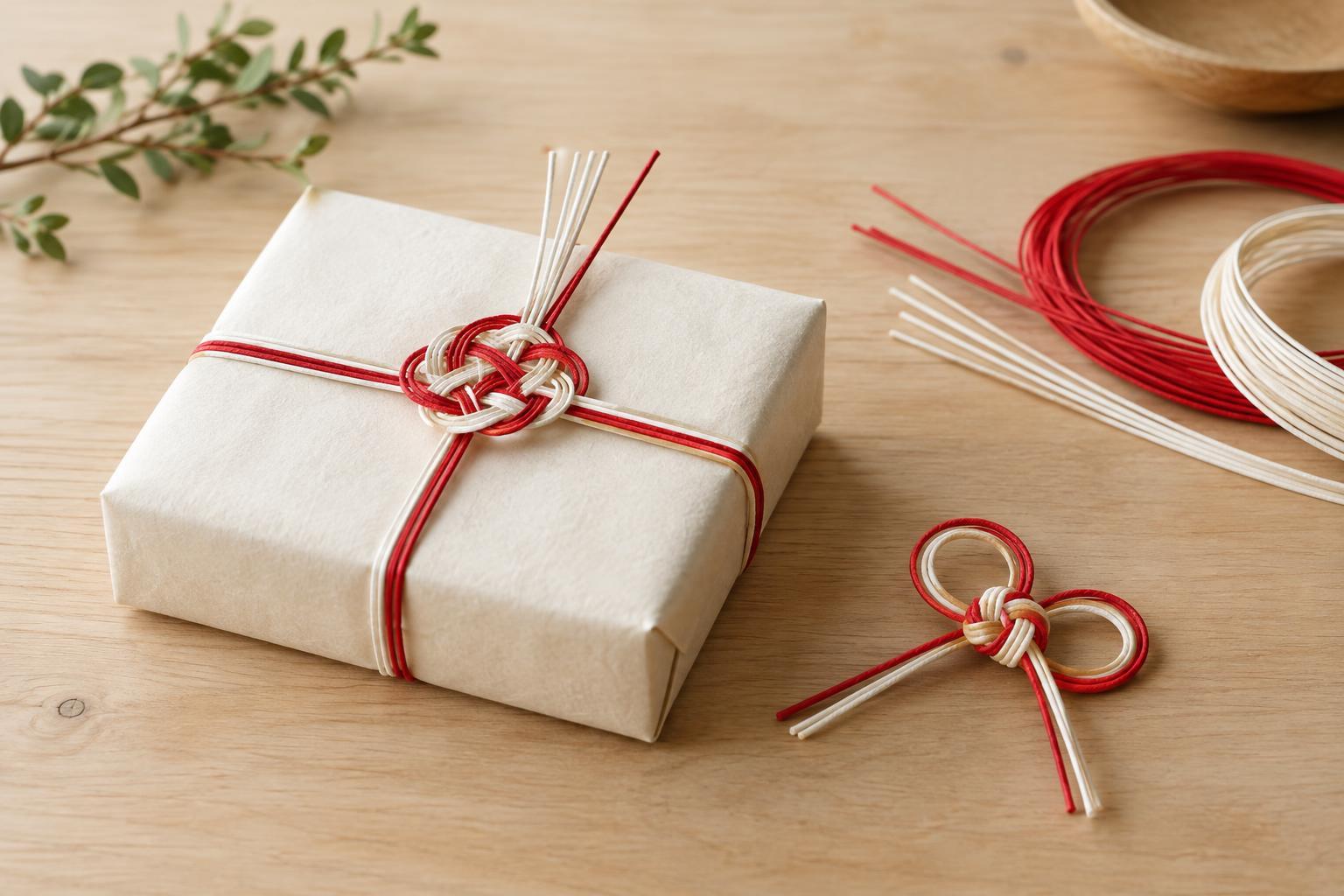
Japanese CraftsMizuhiki adds a small, expressive detail to Japanese gift wrapping. Learn what these paper cords are, how their knots are made, and why the occasion matters when choosing a design.
Read article · 4 min↗
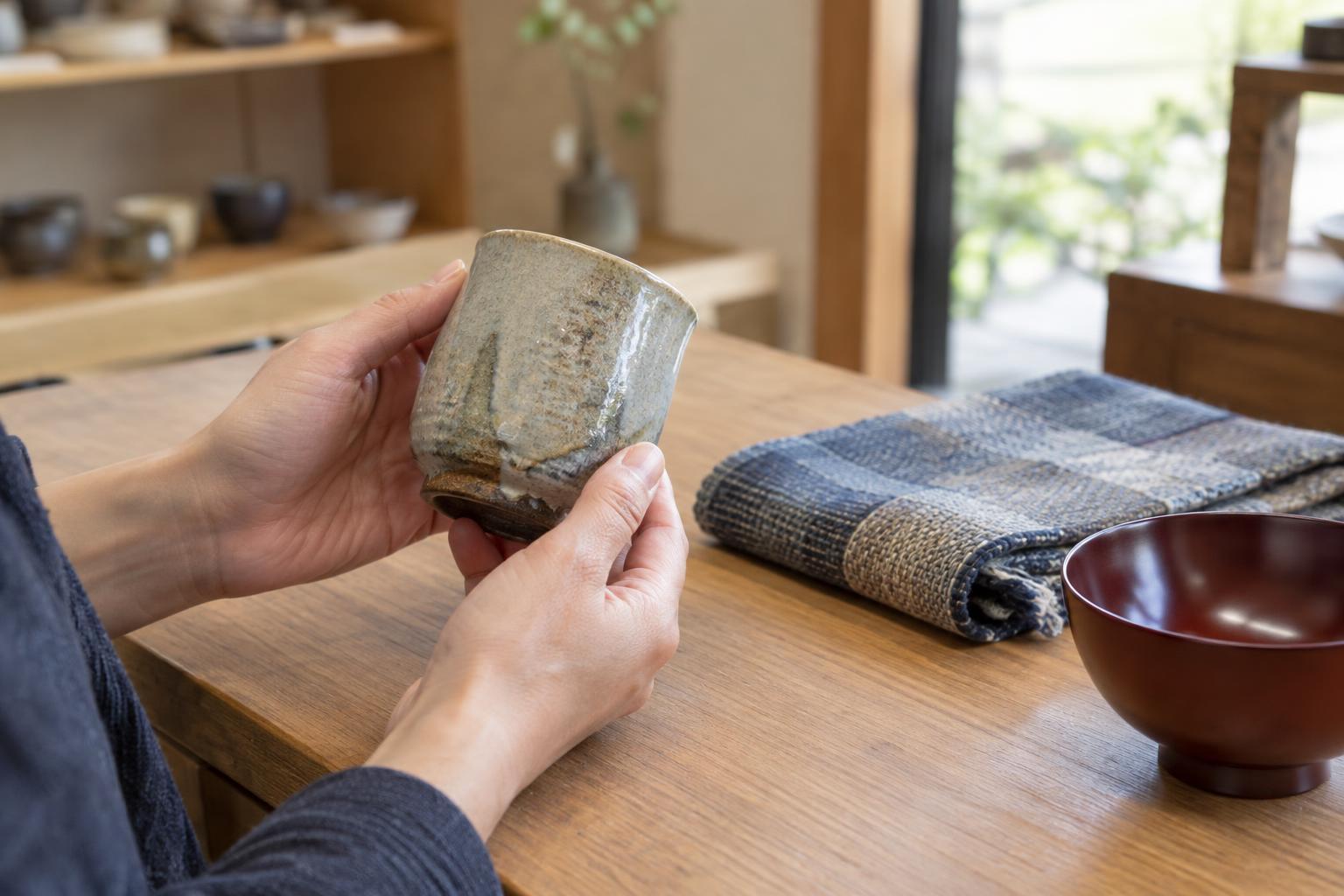
Japanese CraftsA thoughtful craft purchase begins with curiosity rather than a search for a perfect label. Learn how to look at materials, ask about the maker and assess condition, whether you are choosing a ceramic cup, woven textile or lacquered object.
Read article · 4 min↗
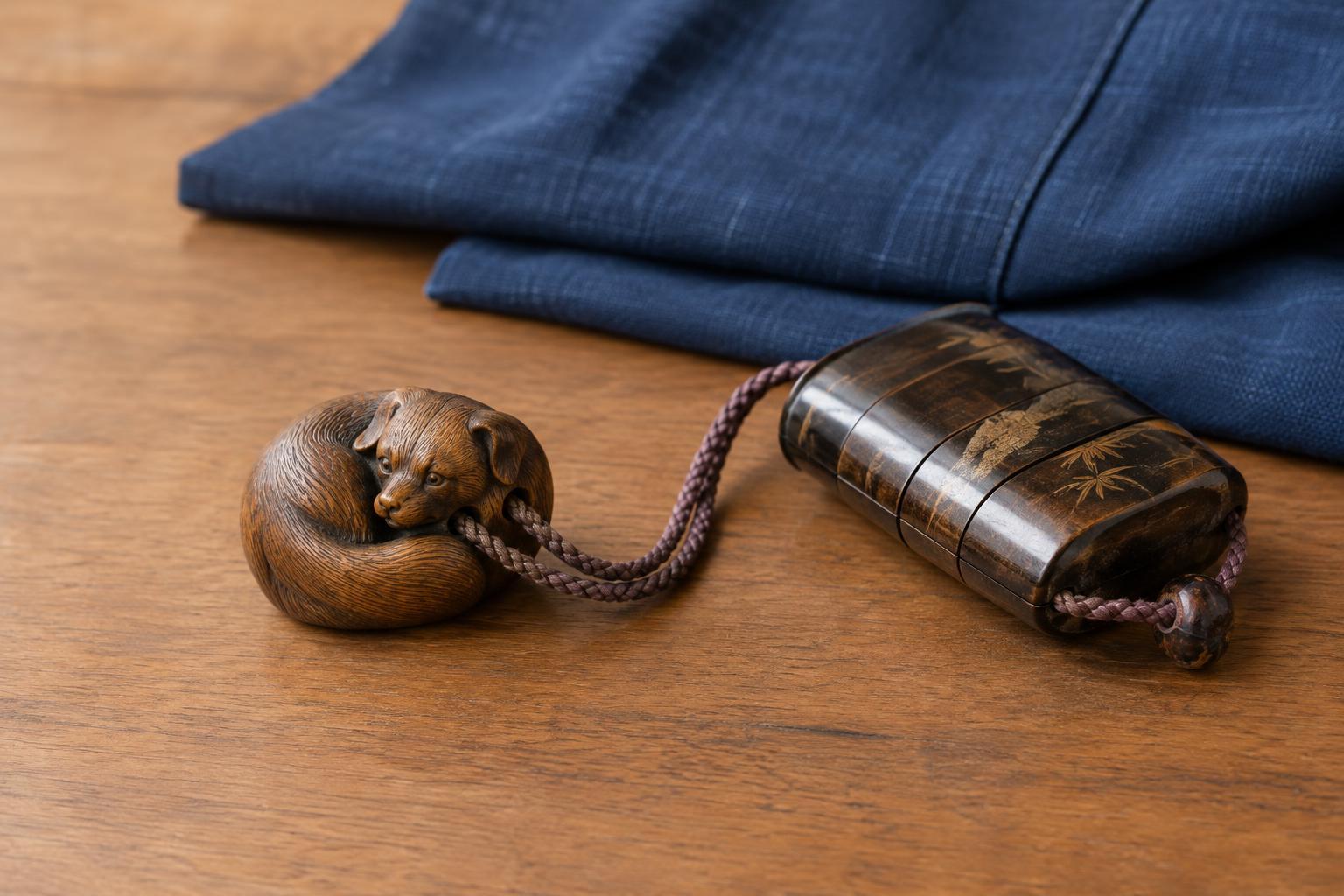
Japanese CraftsSmall enough to rest in a hand, netsuke once helped secure objects carried at the waist of a kimono. Learn how they worked, what to notice in their carving, and how to appreciate them respectfully today.
Read article · 4 min↗
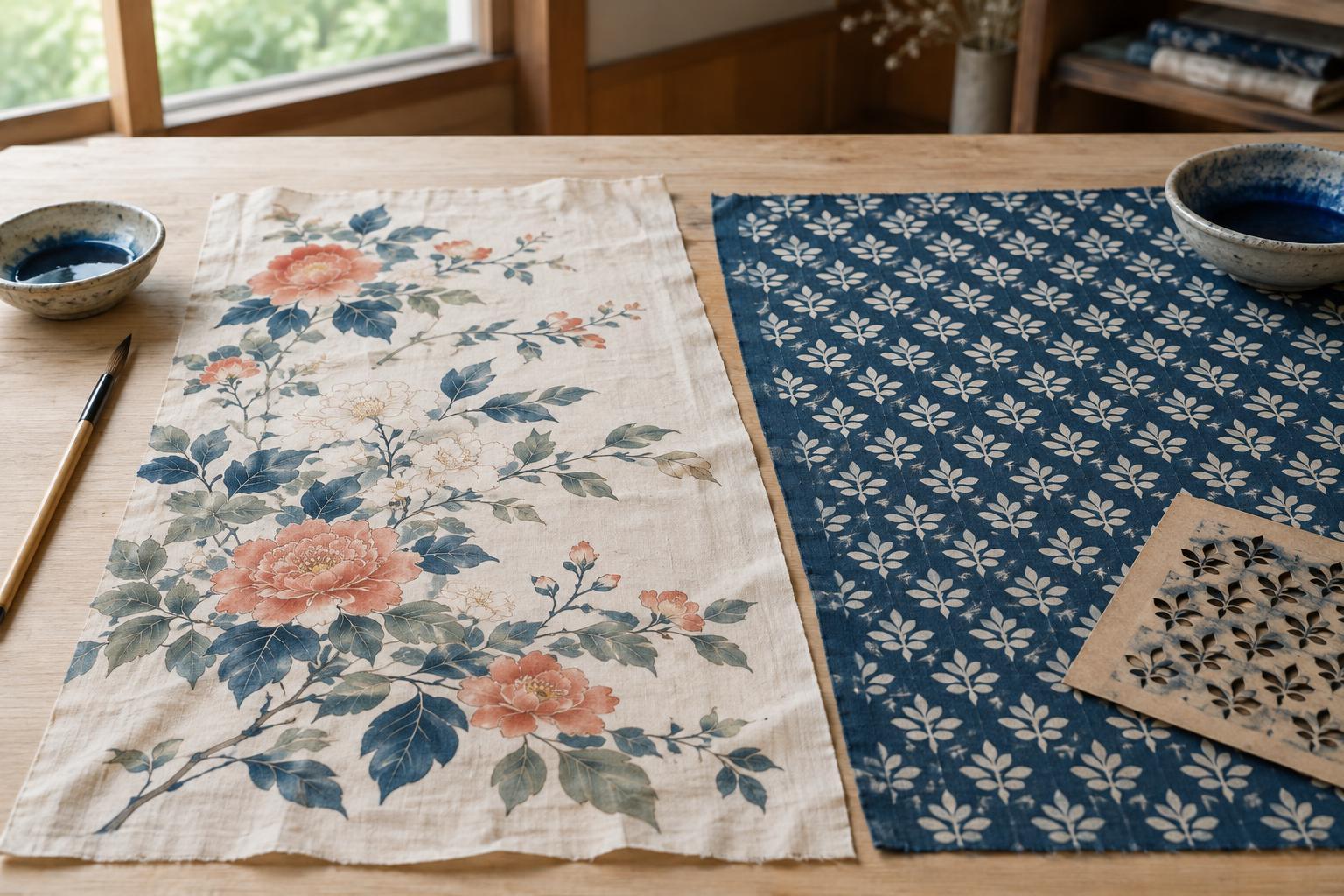
Japanese CraftsYuzen and katazome can both produce richly patterned cloth, but they guide color onto fabric in different ways. Learn how brushwork and stencils shape their designs, where the techniques overlap, and what to notice when looking closely at a textile.
Read article · 4 min↗
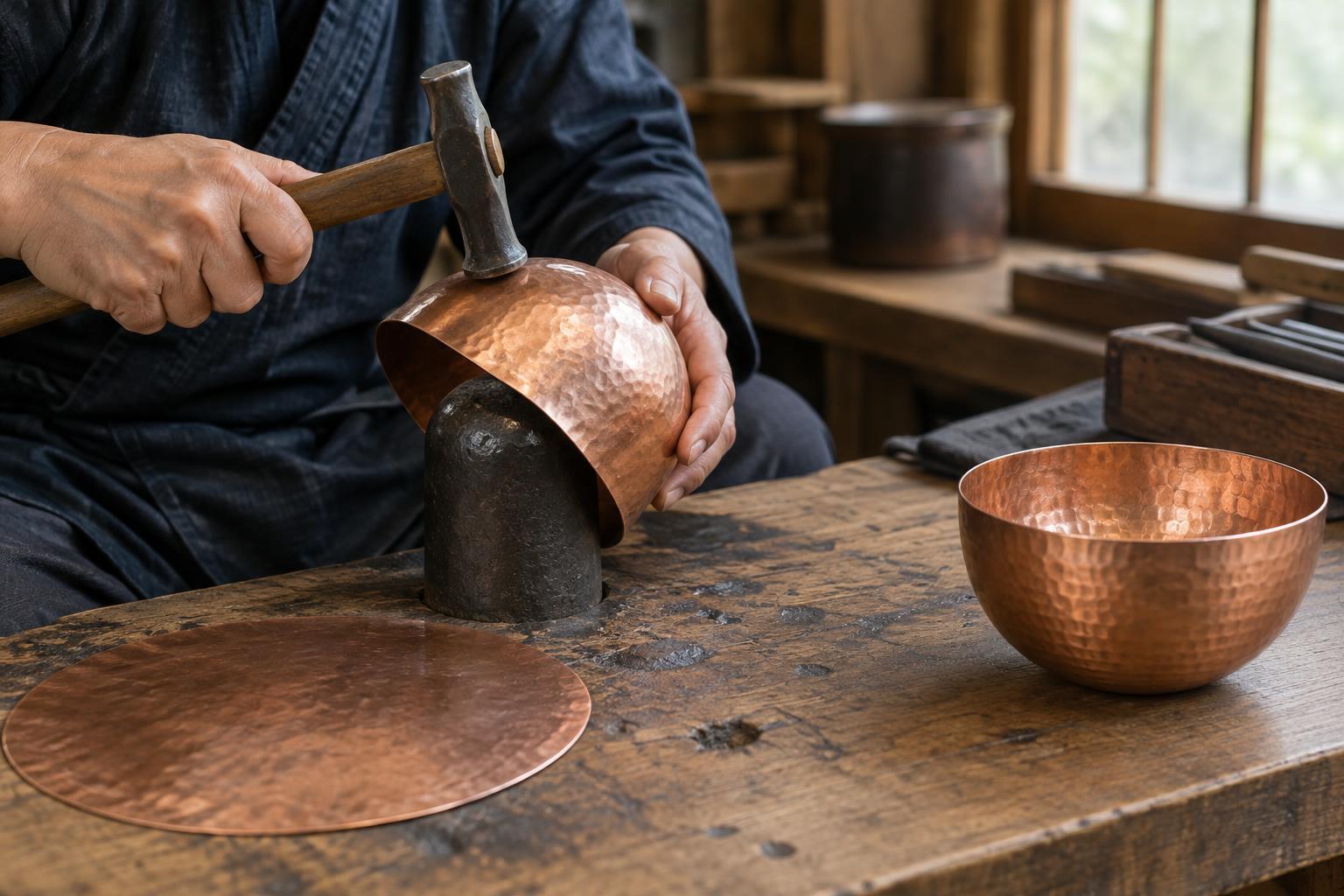
Japanese CraftsA tsuiki vessel begins as a sheet of metal, then takes shape through repeated rounds of hammering and heating. Learn what raising involves, why the marks matter, and how to appreciate a finished piece.
Read article · 4 min↗
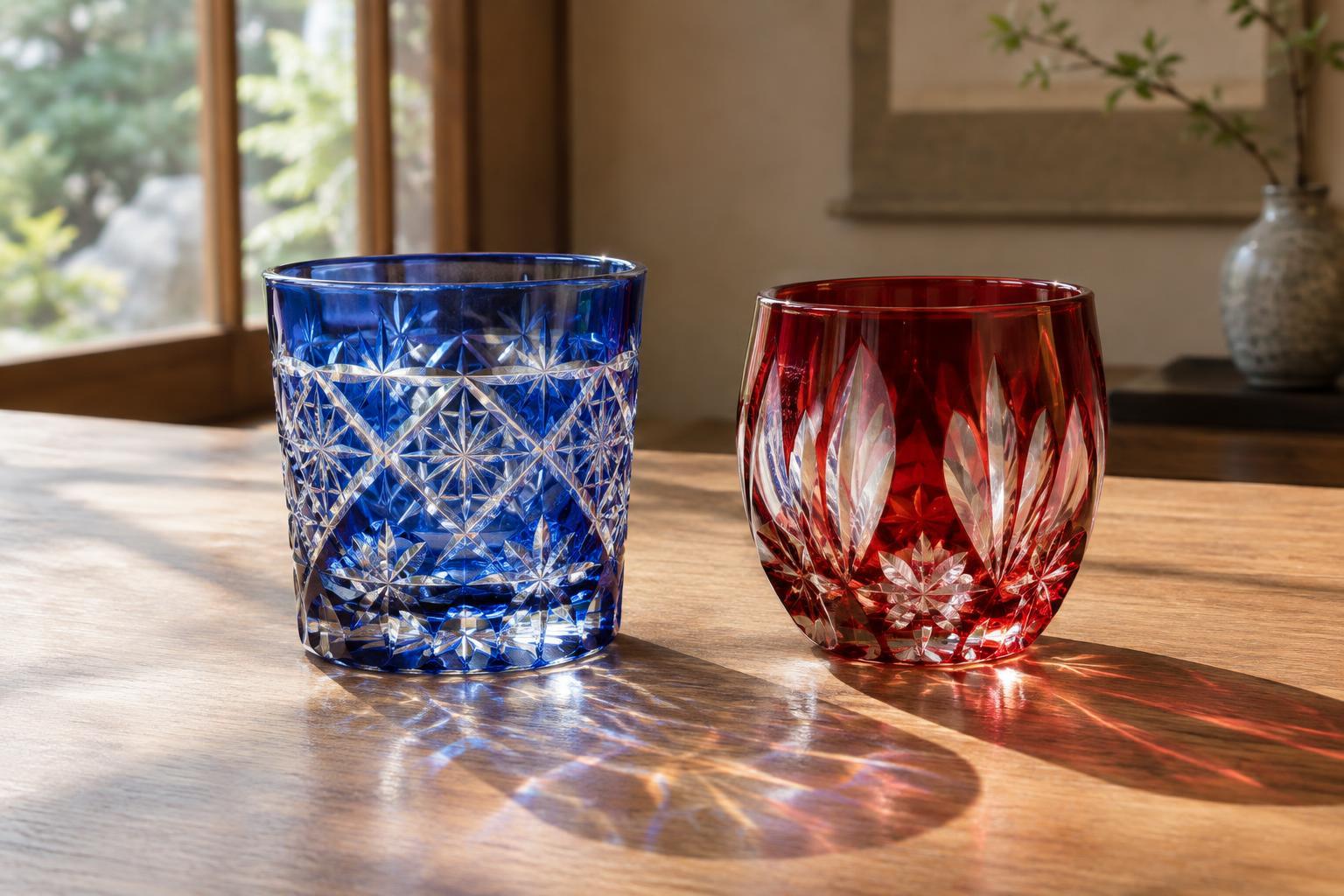
Japanese CraftsEdo kiriko and Satsuma kiriko both use cuts to transform glass, but they create different impressions. Learn how their histories, colors and cutting styles shape what you see, and how to choose and care for a piece.
Read article · 3 min↗
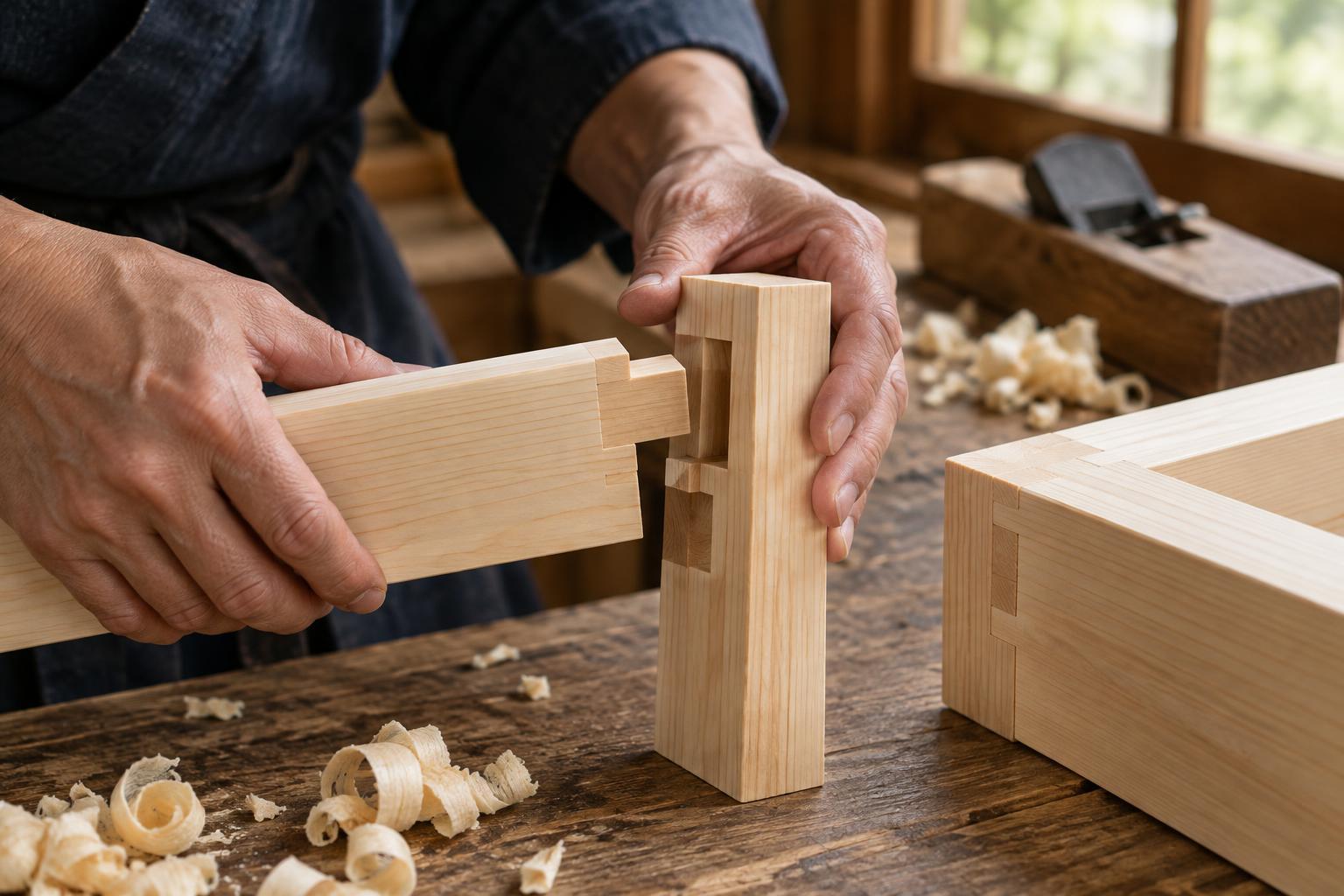
Japanese CraftsJapanese wood joinery is often admired for its clean surfaces, but the hidden connection is the result of careful design. Explore how shaped timber, wood grain, precise fitting and thoughtful assembly help a joint do its work.
Read article · 4 min↗
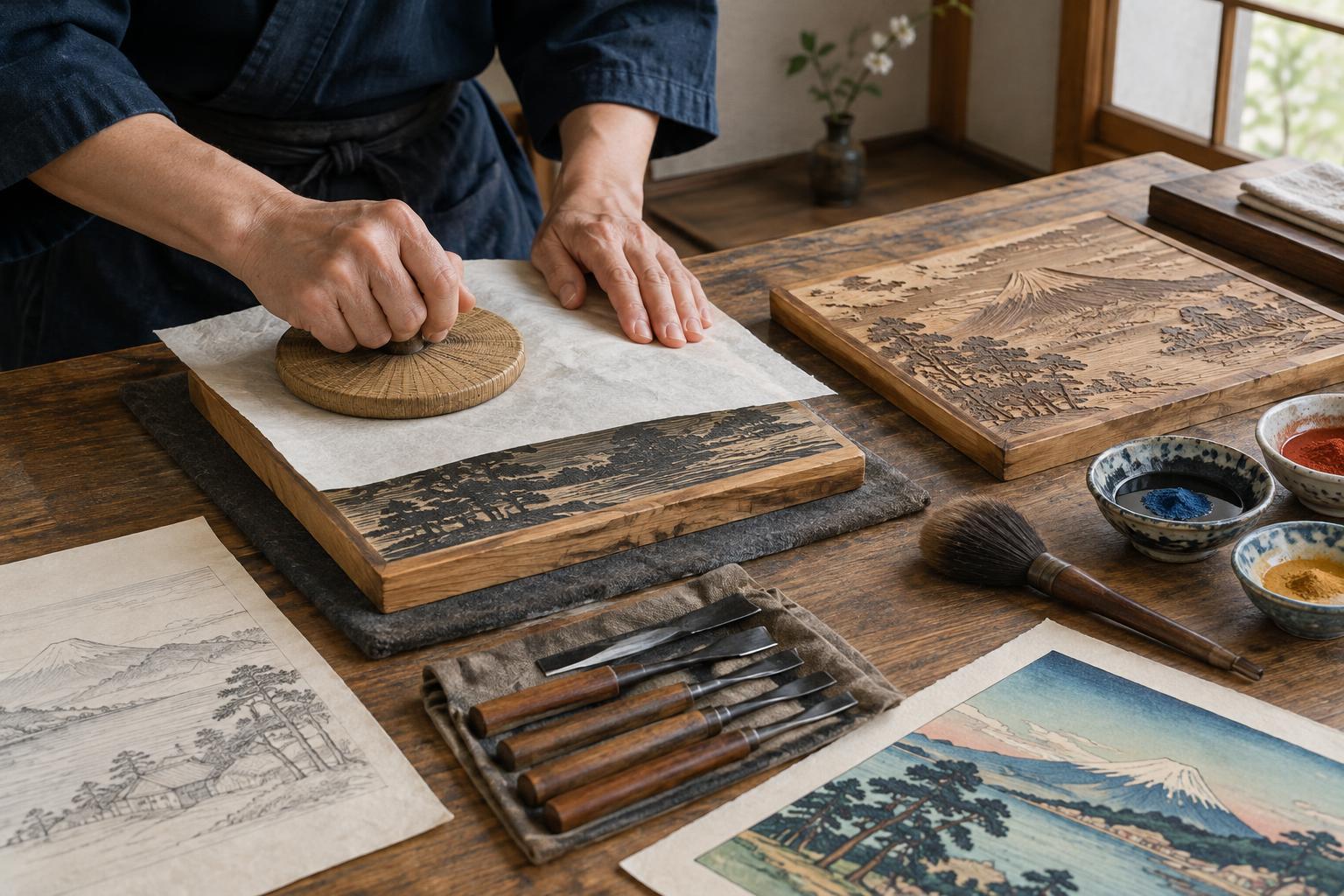
Japanese CraftsA Japanese woodblock print begins with a design, but its final appearance depends on careful carving and skilled printing. Follow the work from drawing to finished sheet, and see how the artist, carver and printer shape the result together.
Read article · 3 min↗
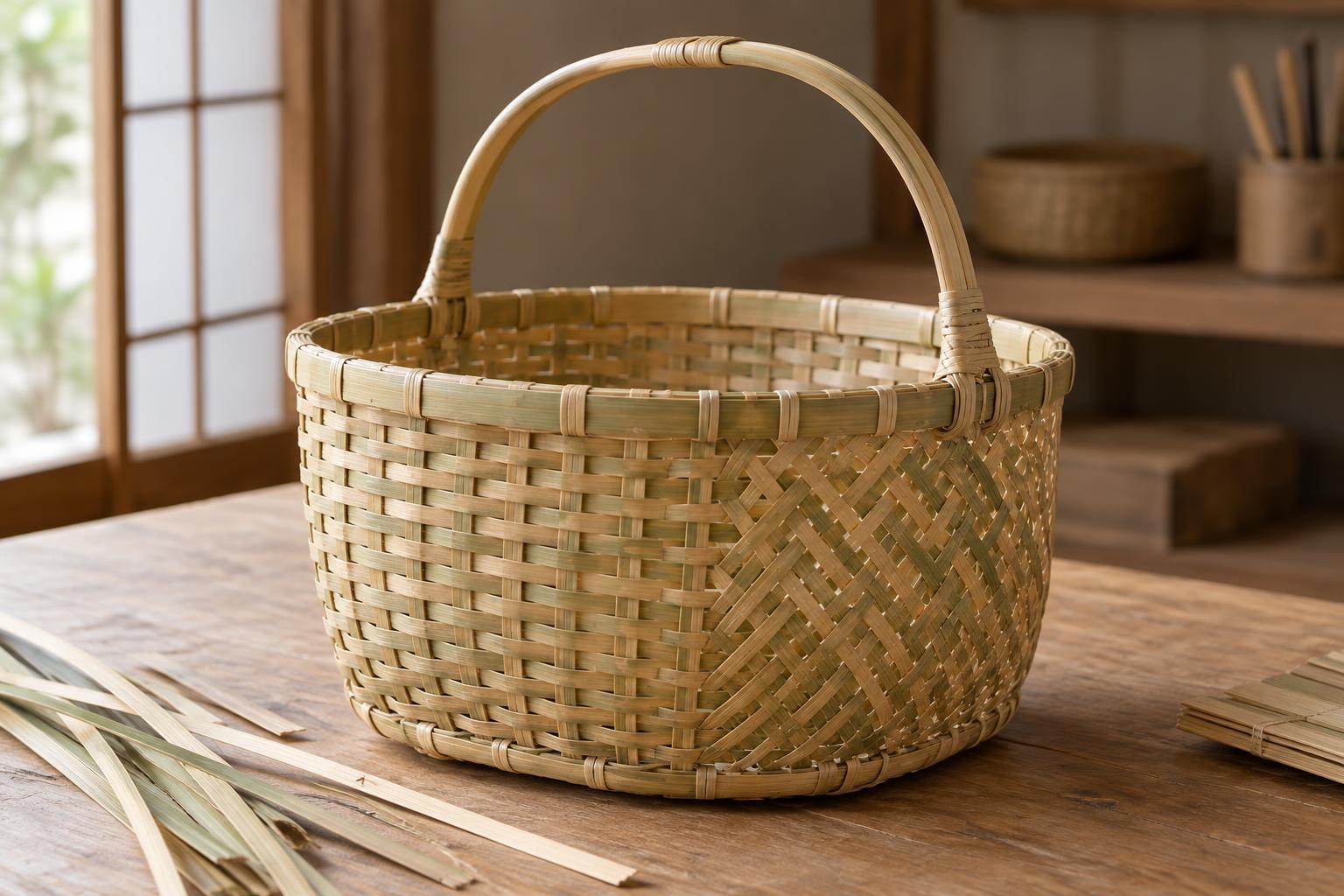
Japanese CraftsA practical introduction to plain, twill, and hexagonal bamboo weaving, with a close-looking guide to rims, bases, handles, and the character of a finished basket.
Read article · 4 min↗
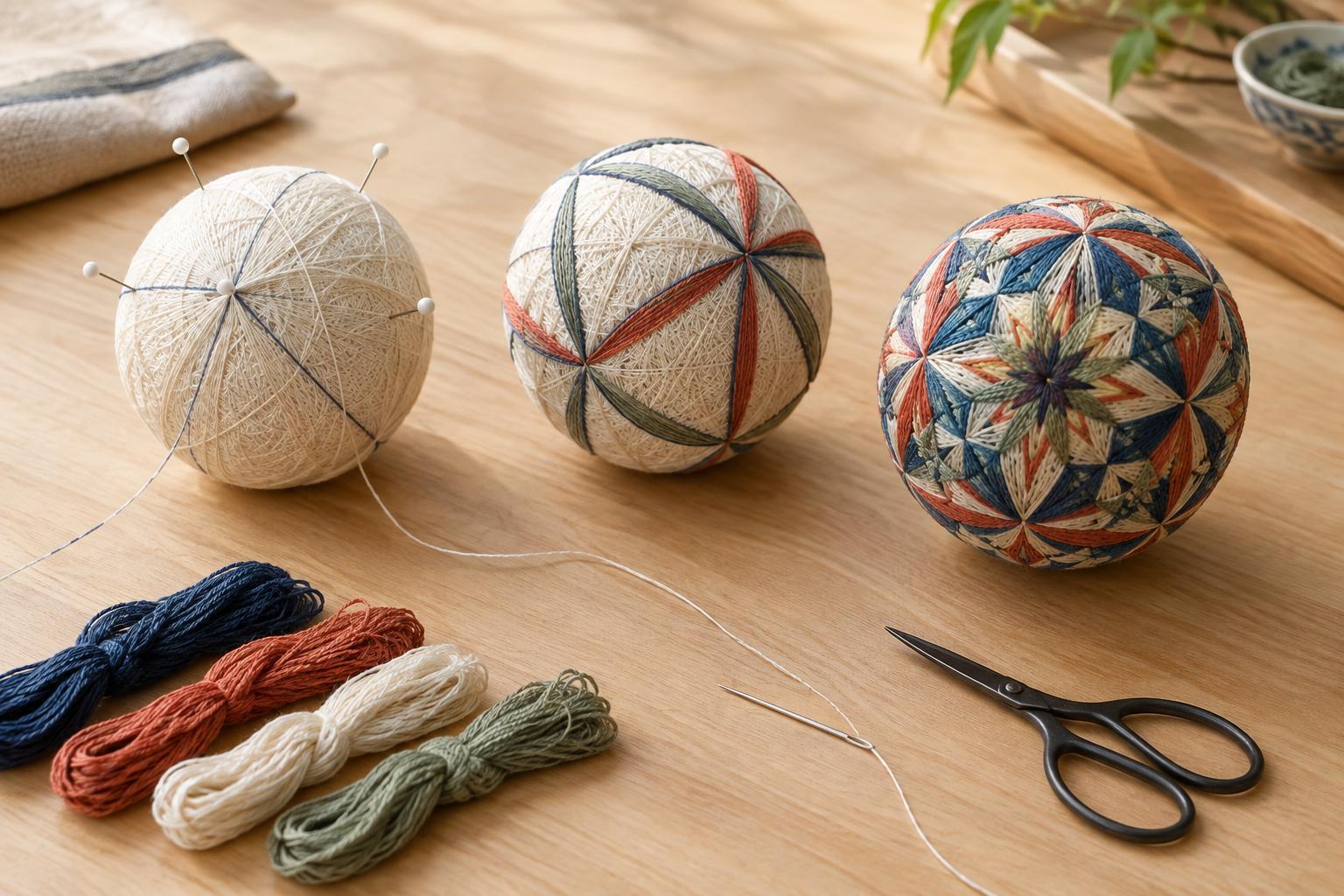
Japanese CraftsTemari are decorative Japanese thread balls built in layers: a rounded core, a smooth thread foundation, measured guides and carefully stitched patterns. Learn what materials are useful for a first project and how each step helps the finished design take shape.
Read article · 4 min↗
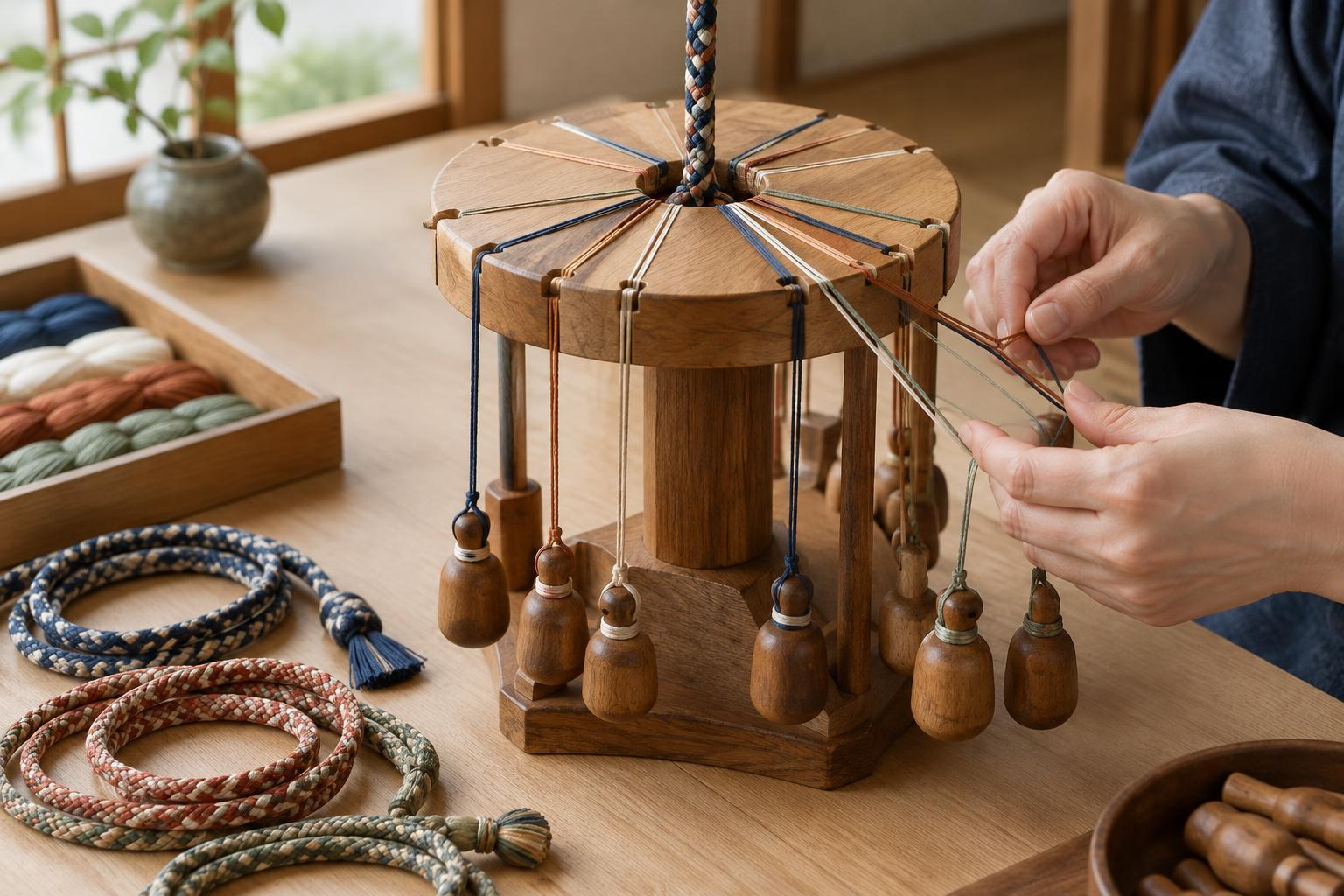
Japanese CraftsKumihimo turns individual threads into strong, patterned cords. Learn how the braiding works, where the cords appear in Japanese dress and everyday objects, and how to try a simple braid with care.
Read article · 4 min↗
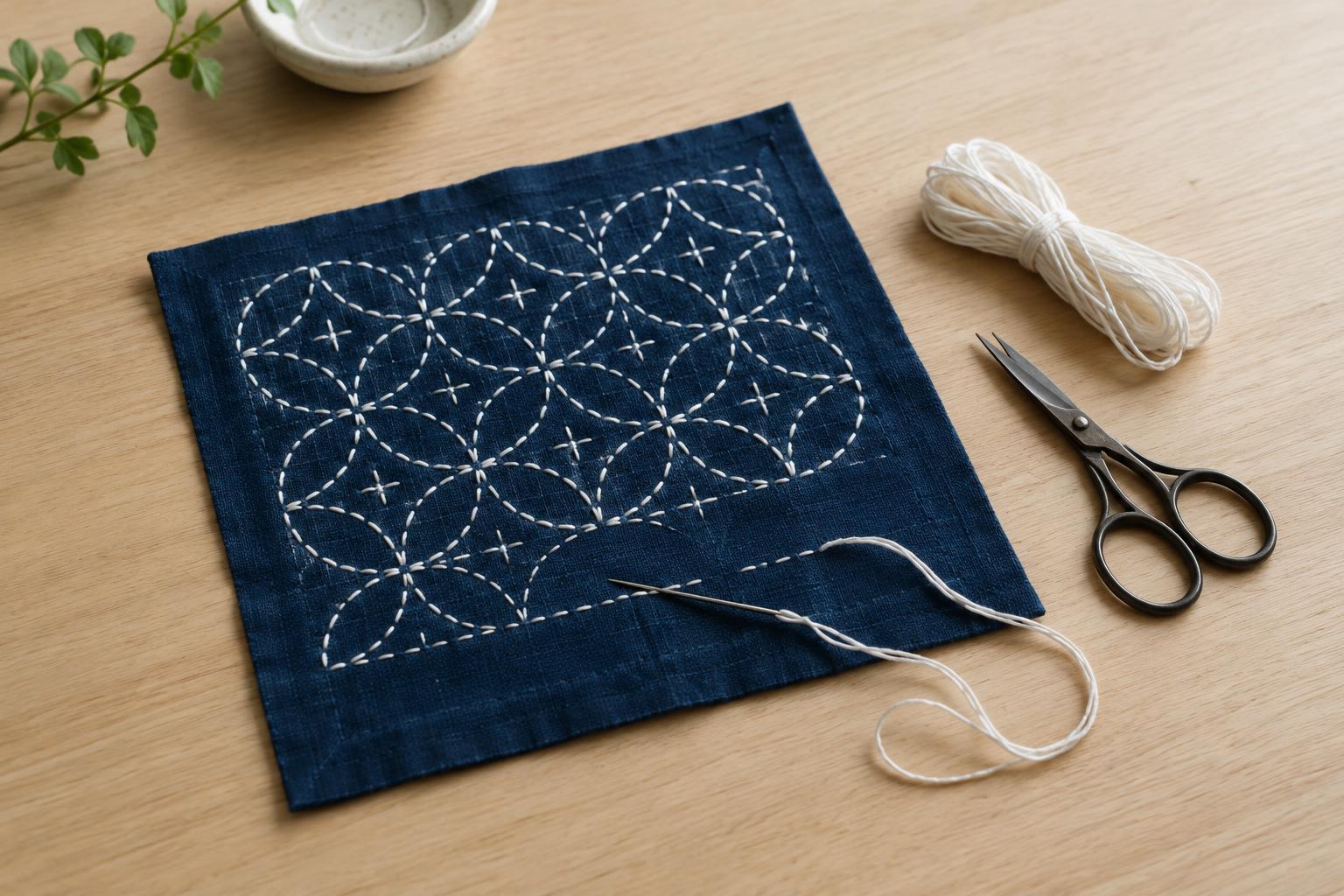
Japanese CraftsLearn how to begin sashiko with a few practical supplies, a comfortable running-stitch technique and patterns that leave room for practice. This guide also offers context for approaching the Japanese craft with care.
Read article · 4 min↗
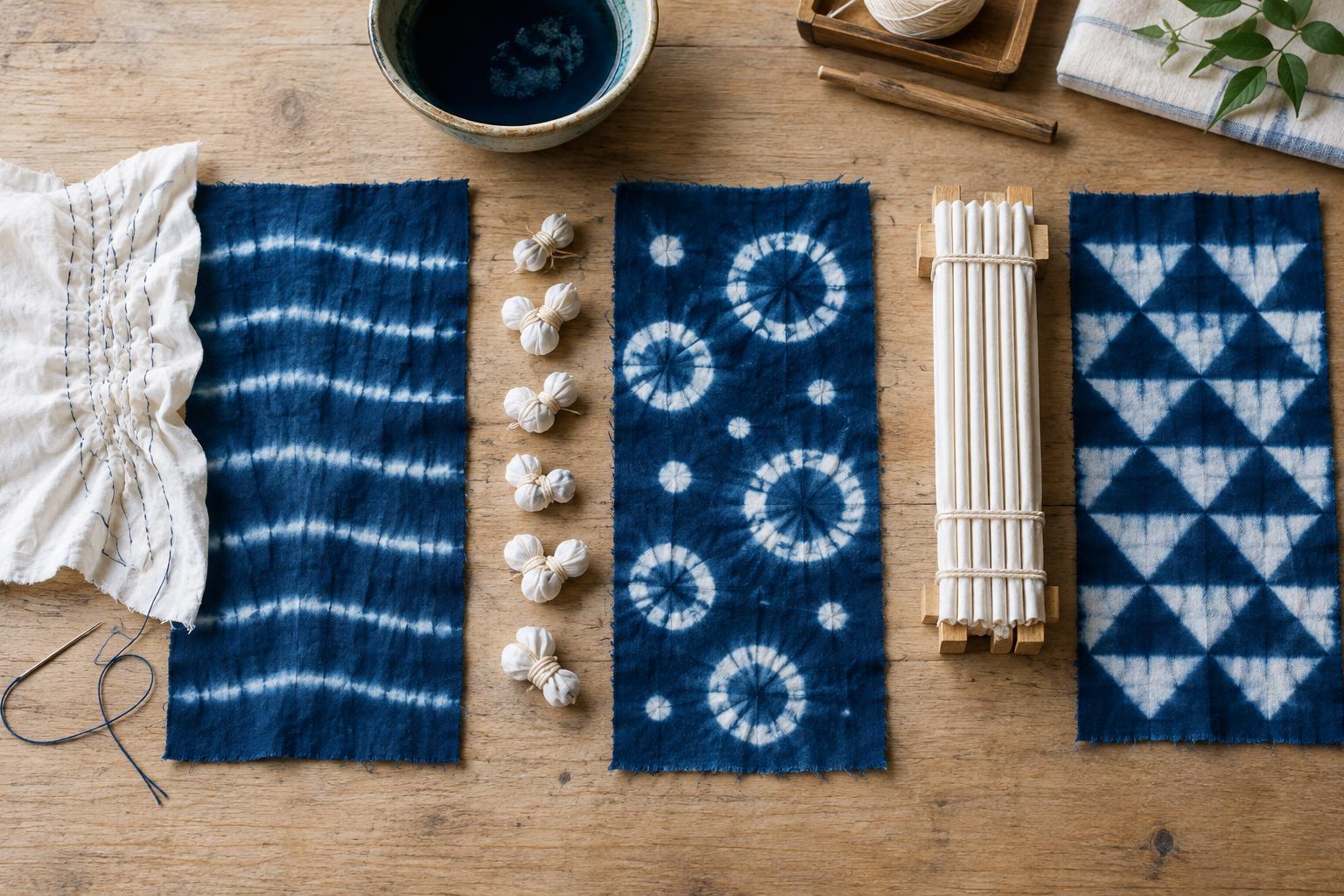
Japanese CraftsShibori creates pattern by shaping cloth before it enters a dye bath. Learn how stitching, binding and folding resist dye in different ways, what each method tends to produce, and how to choose a manageable first project.
Read article · 4 min↗
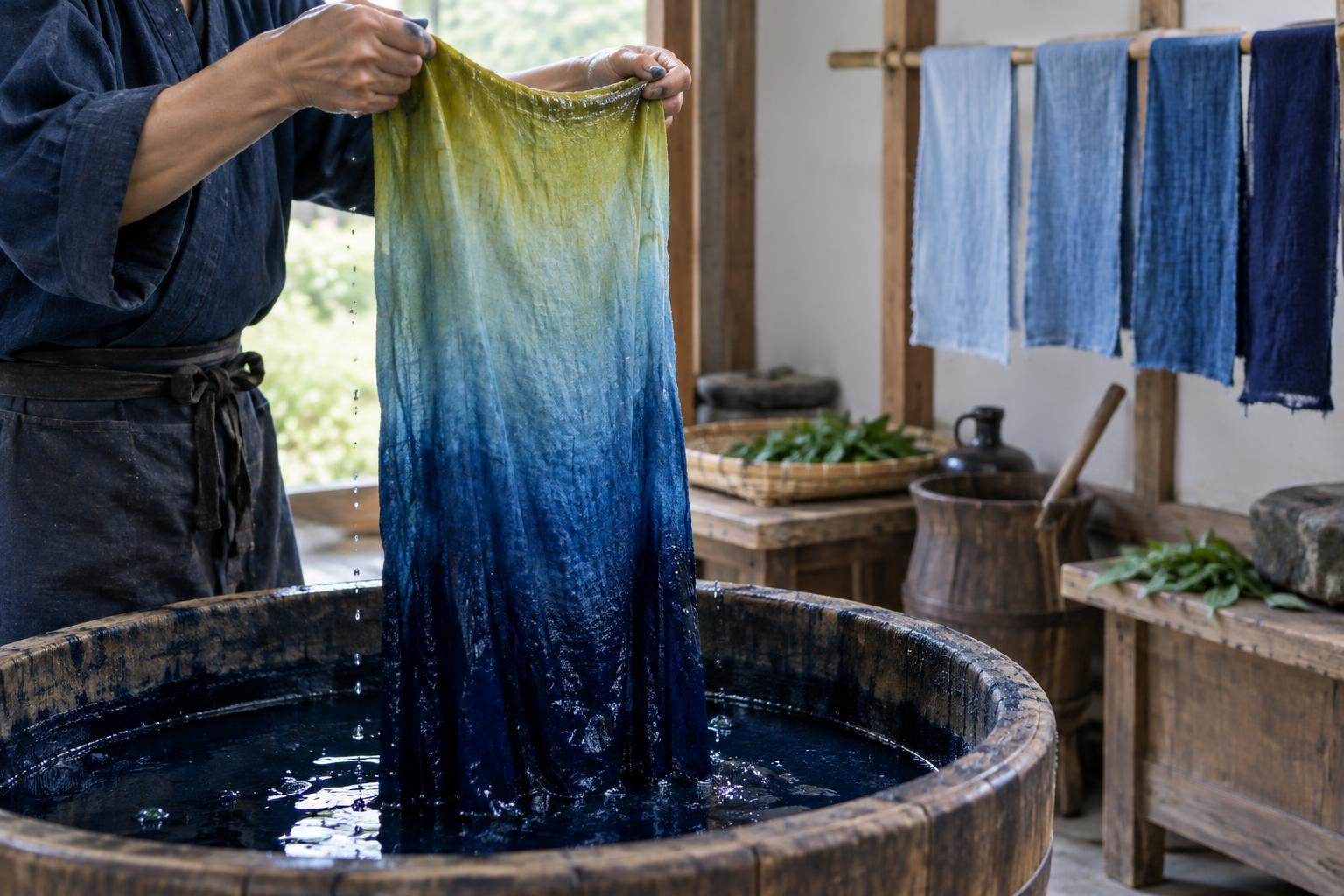
Japanese CraftsAizome is often described as Japanese indigo dyeing, but its blues are far from uniform. Learn how the dye moves from plant to cloth, why a fresh dip can look green, and what makes one finished piece pale blue while another approaches midnight.
Read article · 4 min↗
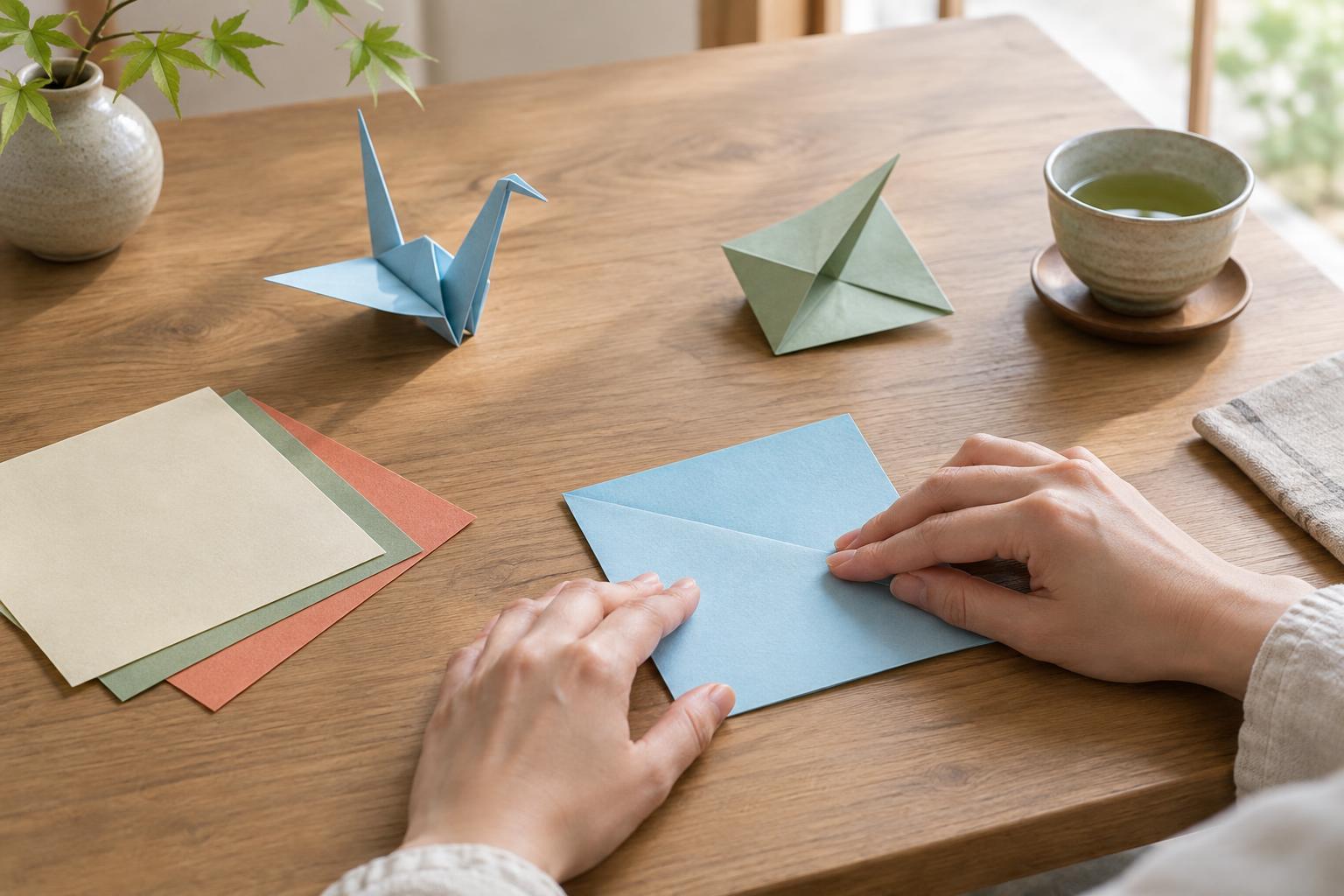
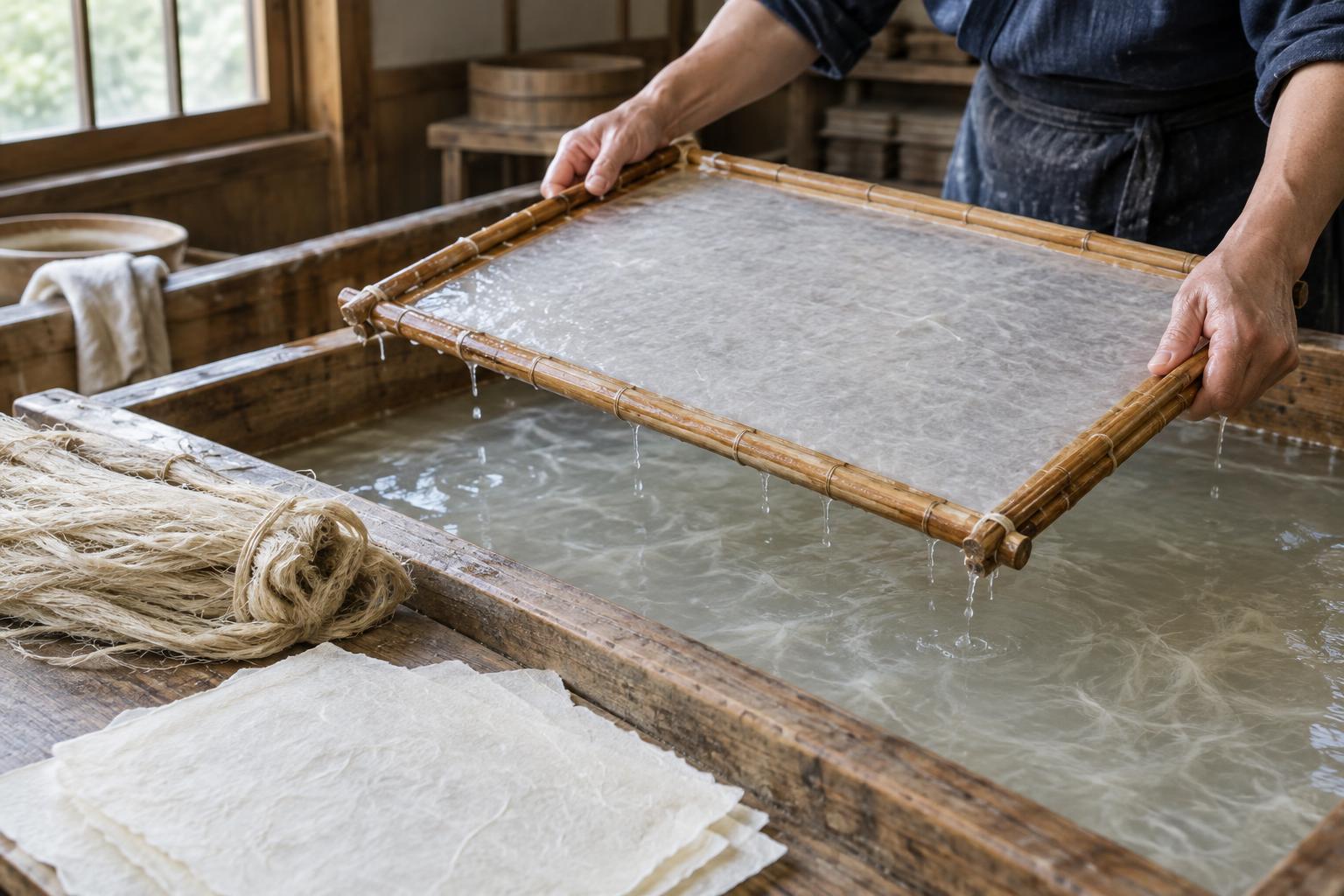
Japanese CraftsWashi is often admired for its strength, softness and subtle texture. Learn how plant fibers become a sheet, what happens during nagashi-zuki sheet forming, and why different papers called washi can feel so different.
Read article · 4 min↗
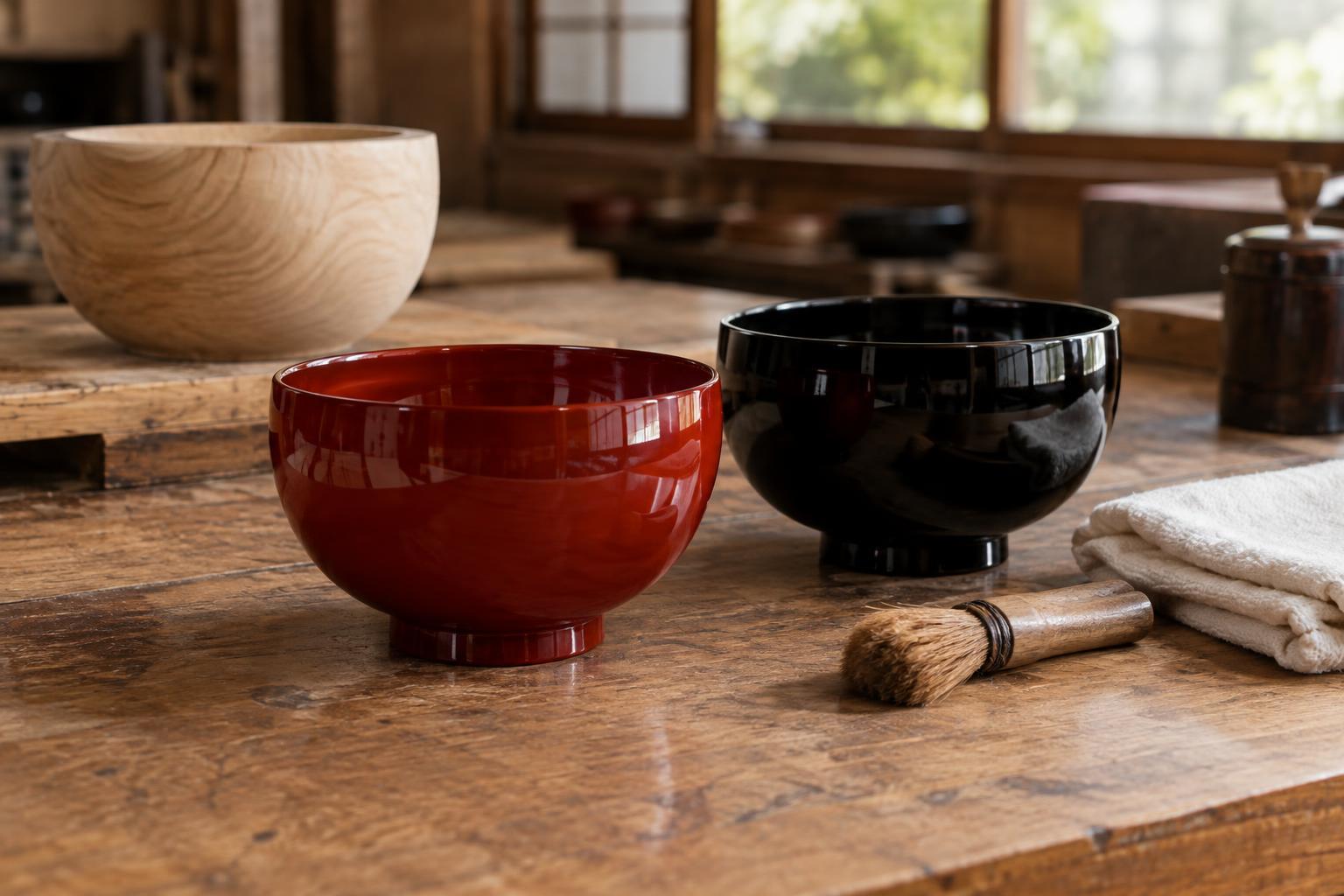
Japanese CraftsUrushi lacquerware gets its depth and durability from a patient process of coating, curing and polishing. Learn how artisans make it, what distinguishes it from lacquer-look finishes, and how to wash, store and use a finished piece with care.
Read article · 4 min↗
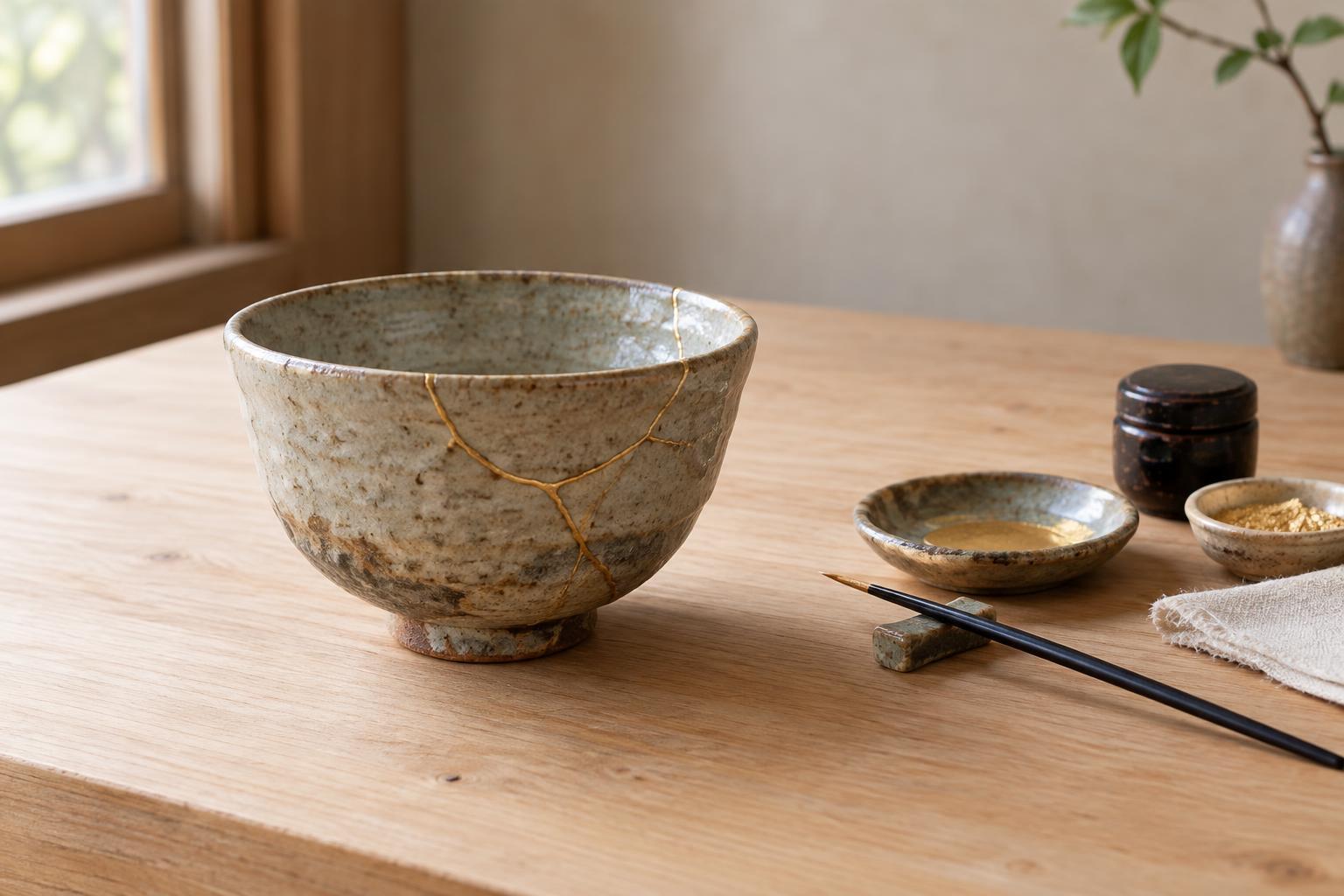
Japanese CraftsKintsugi is often described as repairing pottery with gold, but the visible line is only part of the work. Learn how traditional lacquer repair differs from decorative shortcuts, what each approach can offer, and why a beautiful repair is not automatically suitable for food.
Read article · 4 min↗
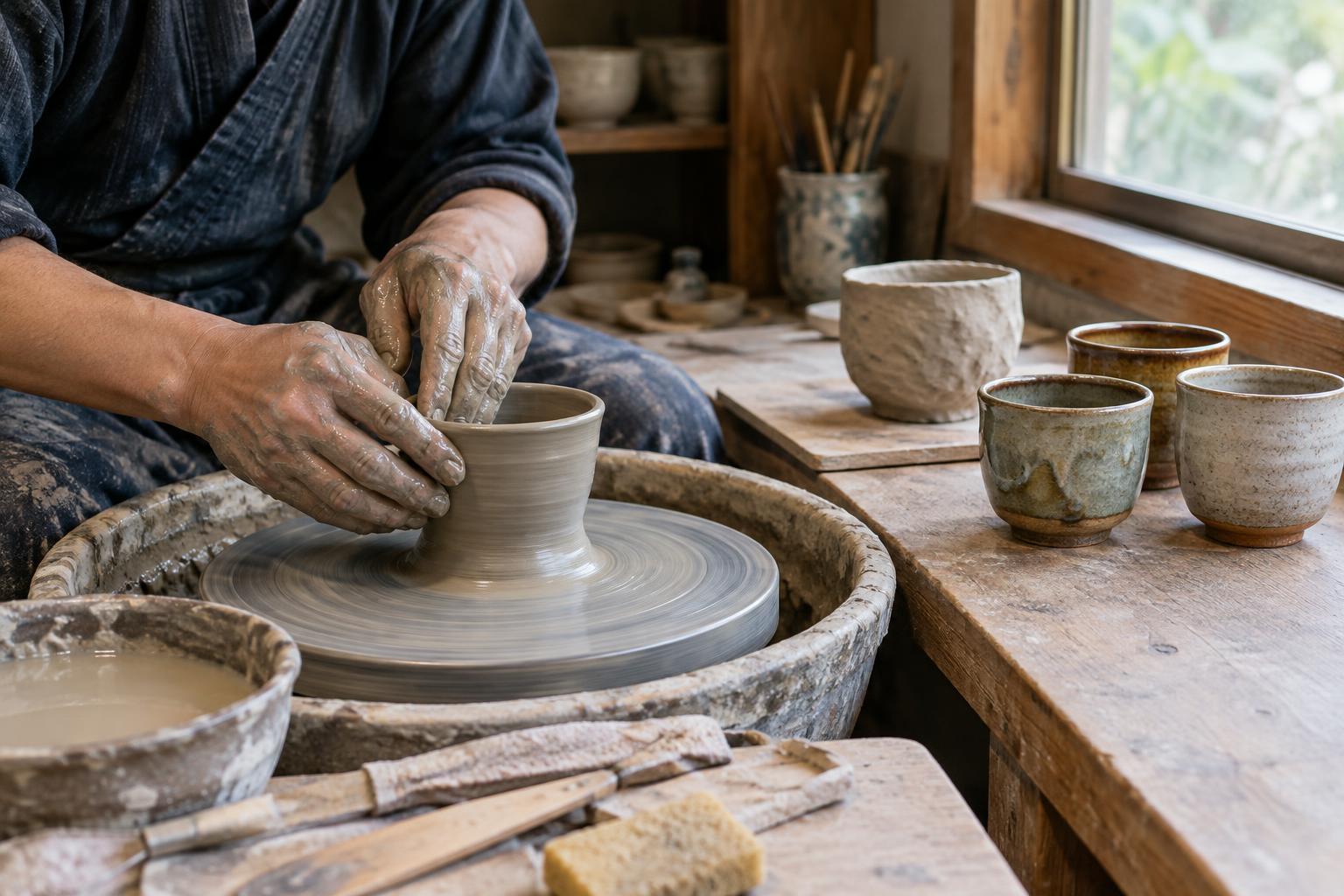
Japanese CraftsFrom a lump of clay to a finished cup, Japanese pottery takes shape through a series of practical choices. Learn how potters prepare clay, build or throw a form, dry it, glaze it and fire it—and why no single method defines Japanese ceramics.
Read article · 4 min↗
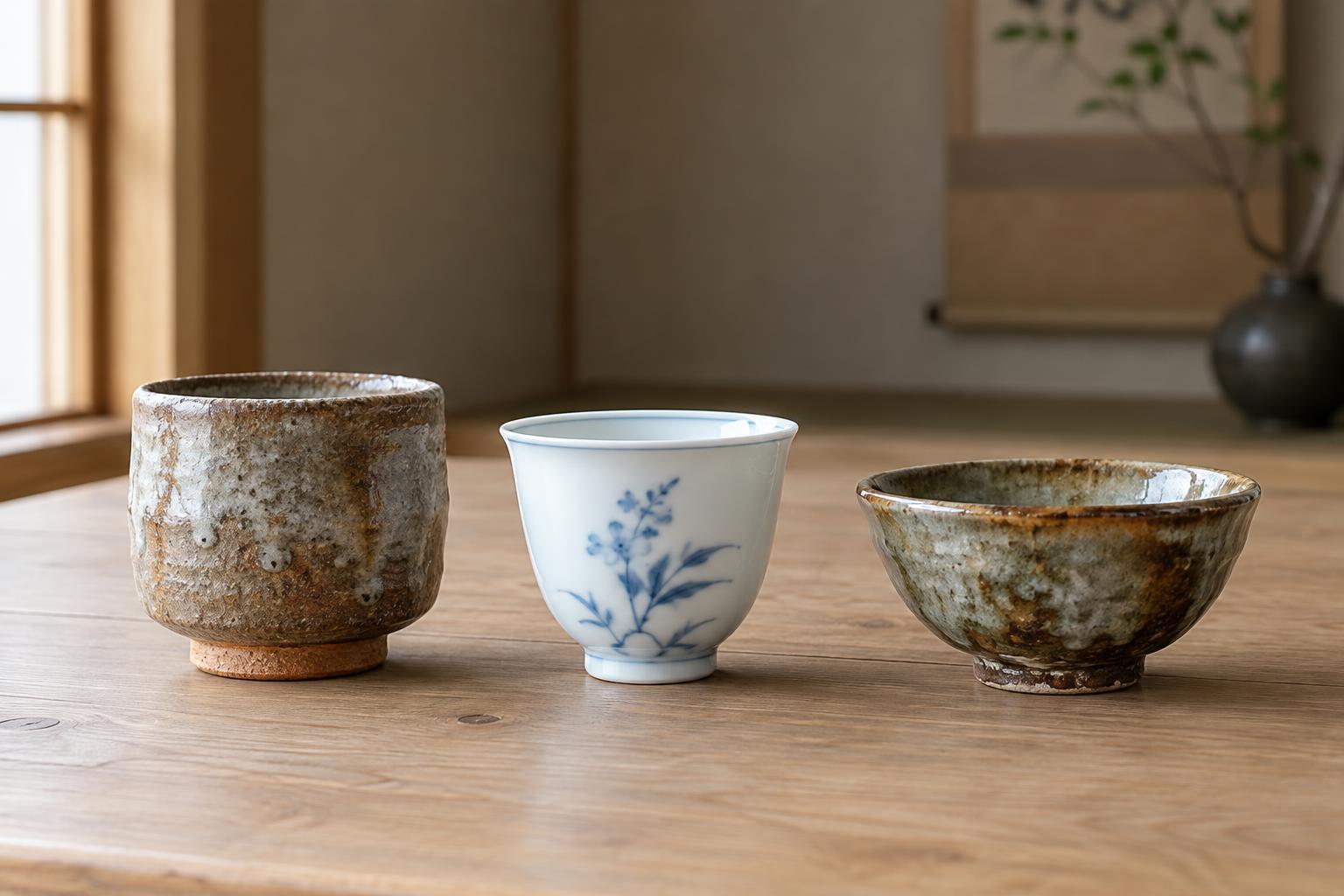
Japanese CraftsA practical guide to the differences between Japanese pottery and porcelain, from the clay and kiln to the feel of a finished cup. Learn how to look closely at texture, glaze and everyday use without treating every piece as if it fits a rigid category.
Read article · 4 min↗
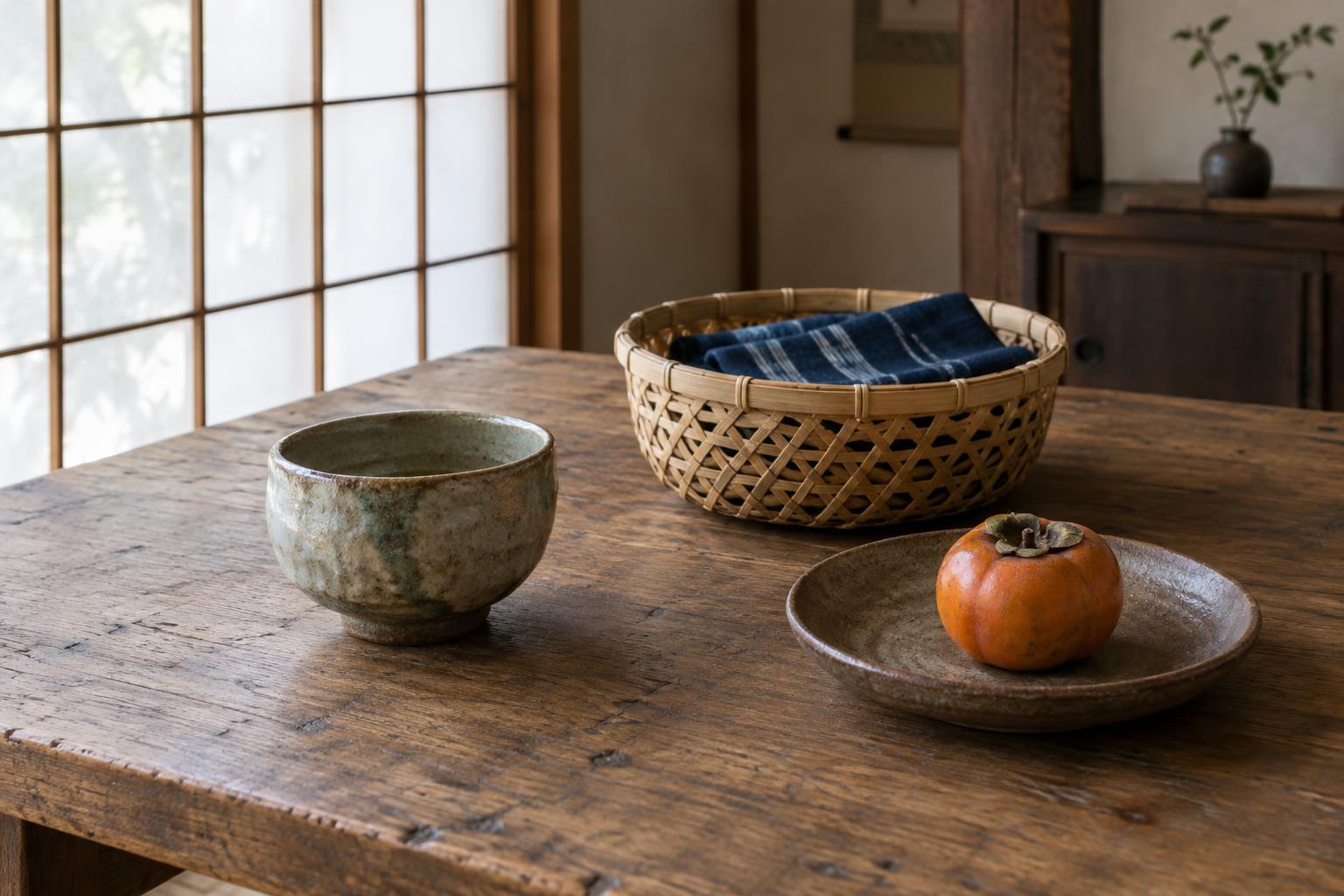
Japanese CraftsMingei is often associated with simple, useful objects, but its ideas go beyond a rustic look. Learn how the Japanese folk craft movement drew attention to everyday making, what its principles can teach us, and how to appreciate handmade objects without reducing them to a style.
Read article · 4 min↗