Mistake 1: Treating “Japanese style” as a shopping list
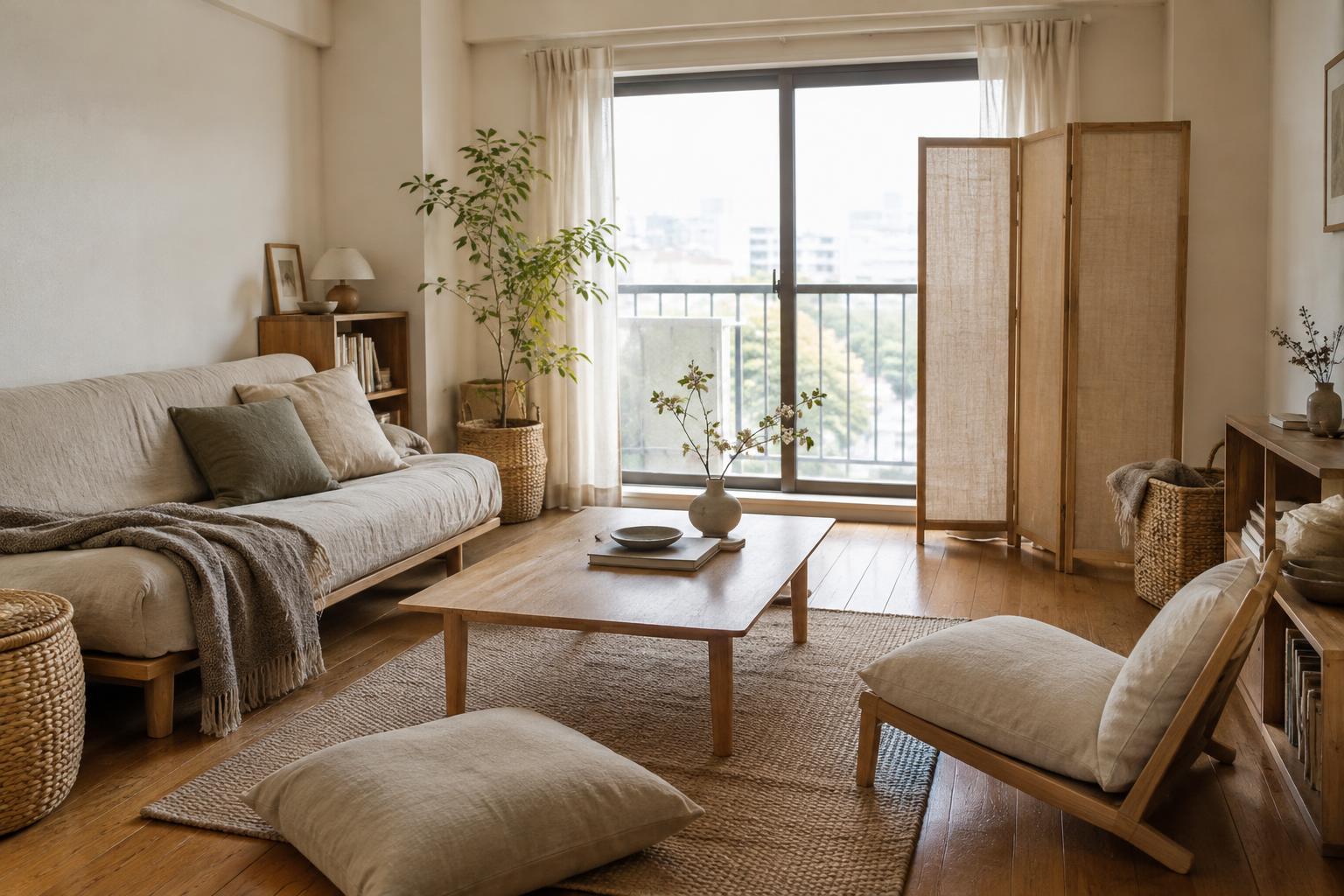
A paper lantern, a low table and a branch in a vase may look appealing together, but collecting recognizable objects is not the same as designing a room. Japanese interiors vary across homes, regions and eras; there is no single arrangement to copy. Start instead with the feeling and function you want. Perhaps you need a quieter place to read, a welcoming entryway or a dining area that is easy to clear after a meal.
Then look at what is already in the room. Notice where daylight enters, which paths people walk and what needs to be stored close at hand. An uncluttered surface can make a favorite ceramic bowl more noticeable, but only if everyday items also have somewhere convenient to go. Keep pieces that serve a purpose or hold meaning, rather than replacing everything to match an image.
Mistake 2: Confusing calm with an empty room
Open space gives the eye a place to rest, yet a room stripped of books, coats and useful tools may be difficult to live in. Before removing anything, identify the sources of visual noise: perhaps mail piles up by the door, chargers trail across a table or storage is too far from where an activity happens. Solving those small problems will do more than hiding possessions for a photograph.
Try giving each common task a simple home. A tray can hold keys near the entrance; a closed cabinet can contain supplies that do not need to be on display. Leave some shelves partly open so objects are easy to find and the arrangement can breathe. The aim is not a permanently spotless room, but one that can return to order without much effort.
Mistake 3: Using cultural references as decoration alone
A screen, textile or piece of pottery deserves more consideration than whether it fills a blank wall. If you are drawn to a particular craft, learn what the object is made for and whether its materials suit your home. A handmade item can be appreciated in ordinary use; it need not become a prop in a themed display. When possible, choose pieces because you value their workmanship, not because they signal a vague idea of Japan.
Be especially wary of stacking familiar motifs into one room. Bamboo prints, calligraphy, lanterns and miniature garden ornaments can compete for attention and flatten many different traditions into a single look. One carefully chosen object, given enough space and used appropriately, often says more. Pair it with furnishings you already enjoy, even if those furnishings come from elsewhere.
Mistake 4: Copying a layout that does not fit your life
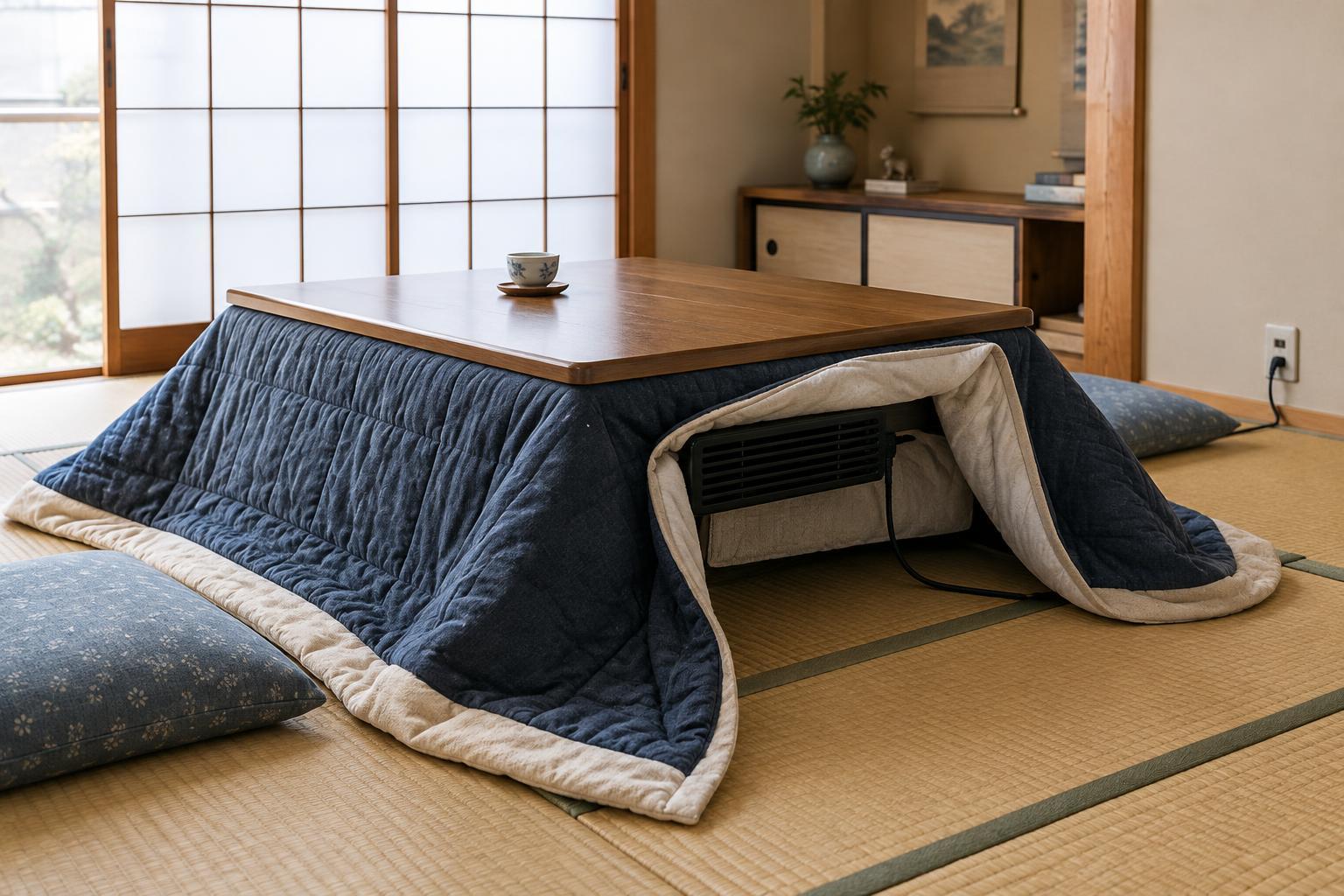
Low furniture and floor seating can be comfortable for some people and inconvenient for others. Consider who uses the room, how easily they can sit and stand, and whether the furniture supports long meals or work sessions. A raised dining table is not a failure of the concept if it better serves your household. Likewise, a sliding partition may be beautiful, but it should not block a needed walkway or reduce useful storage.
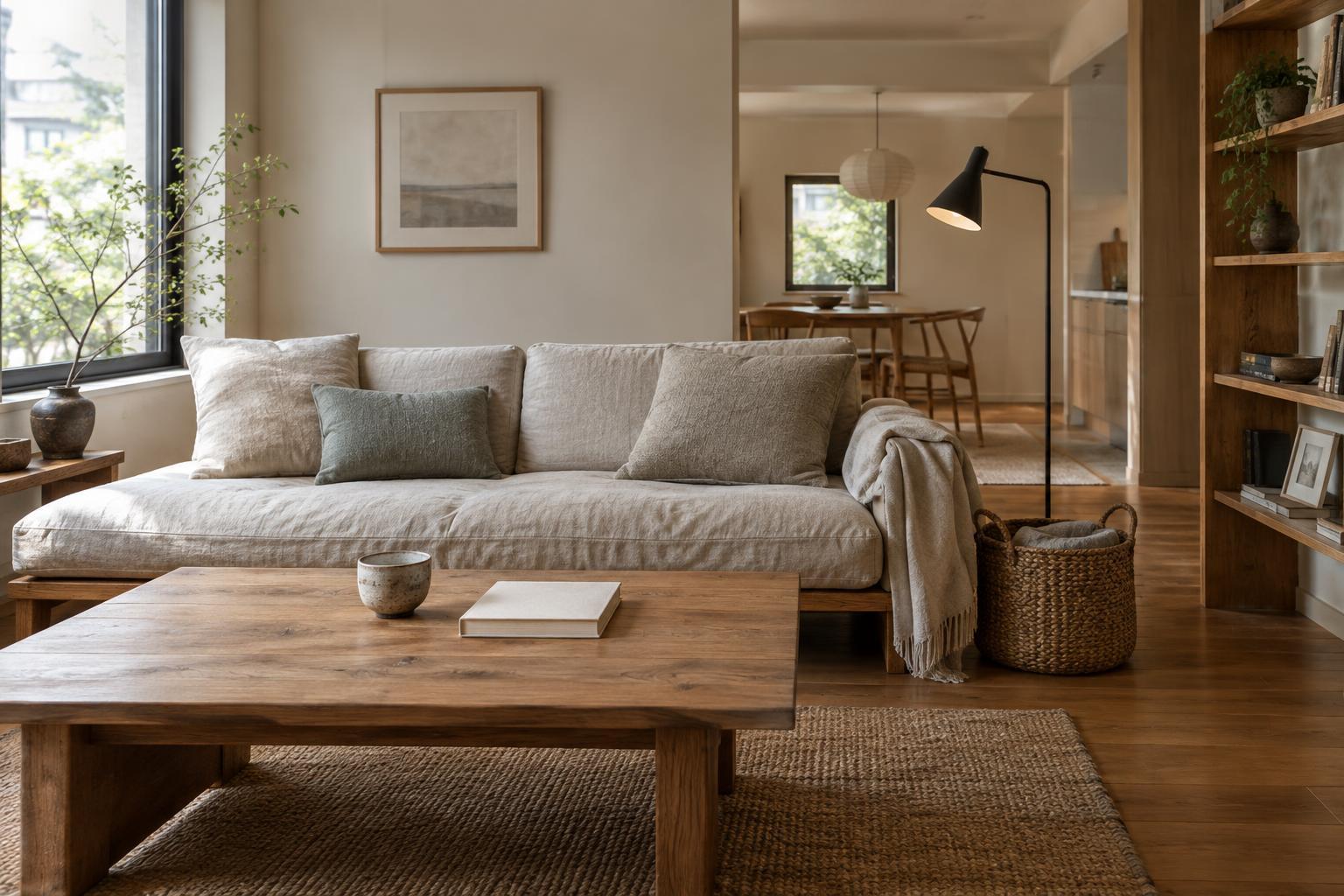
Test arrangements before buying. Mark a proposed table’s footprint on the floor and walk around it. Check that doors open fully, lamps reach the places where you read, and frequently used items remain accessible. If a flexible room appeals to you, lightweight furniture or a small movable side table may offer that flexibility without requiring a complete redesign.
Build a room around attention, not perfection
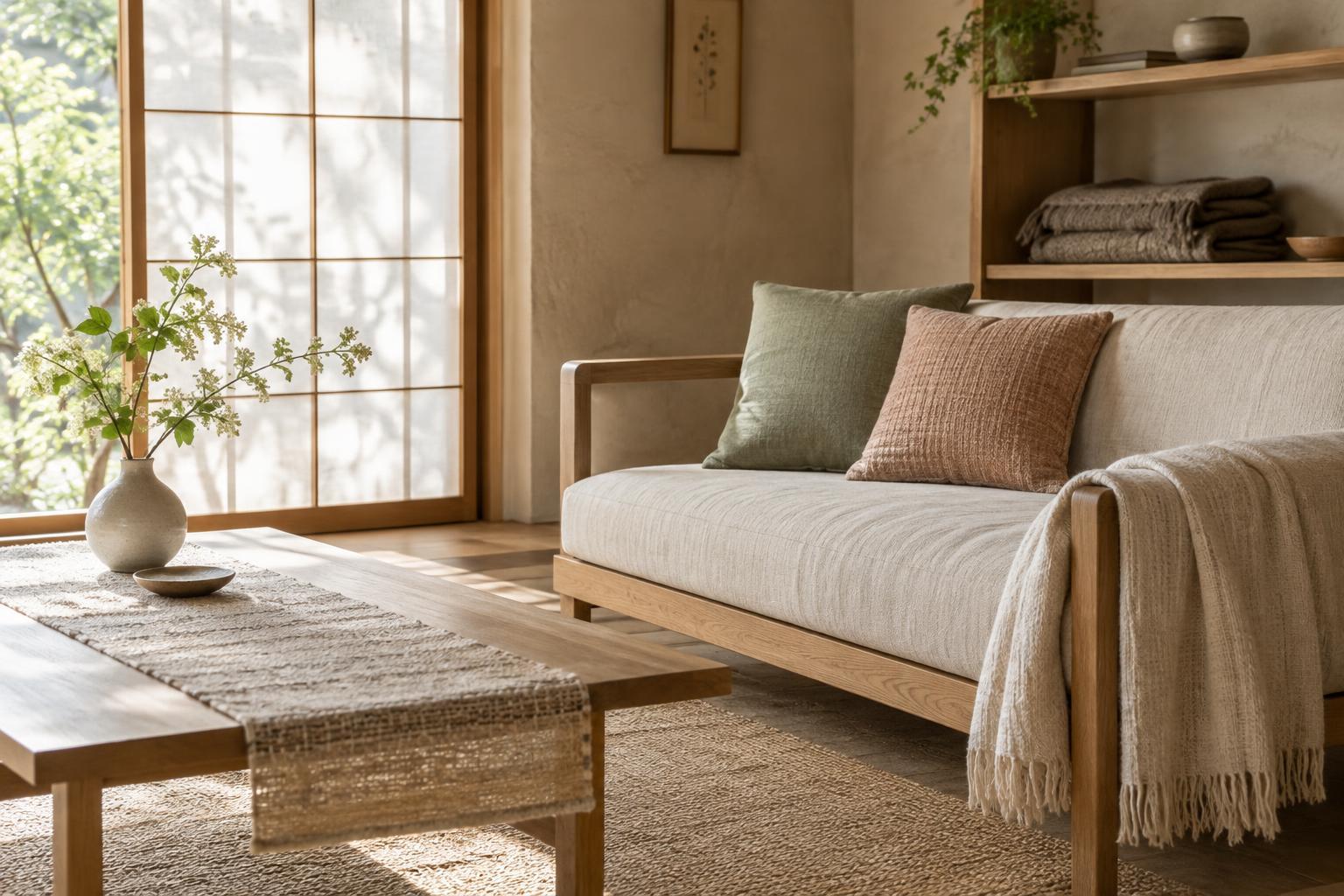
Natural materials and restrained colors can provide a gentle starting point, but they are not rules. Wood, paper and fabric each behave differently in sunlight, moisture and busy households, so choose finishes you can maintain. Texture can bring warmth to a simple palette: a woven cushion, a matte ceramic vessel or visible wood grain may be enough. Good lighting also matters. A mix of daylight, task lighting and a softer lamp can make a room useful at different hours.
Make changes gradually and observe what happens. Clear one crowded surface, improve storage where clutter returns, or move a chair to take advantage of a view. Keep what works and revise what does not. The most convincing Japanese-inspired interior is not a perfect imitation of somewhere else; it is a considered space that respects the things within it and the people who live there.