Begin with what you already touch
A seasonal room does not need a complete new look. Often, the most noticeable changes happen where fabric meets daily life: the cushion you lean against, the throw within reach of a chair, or the cloth on a dining table. Changing one or two of these pieces can alter how a room feels while its furniture, layout and favorite objects stay in place.
Attention to the seasons is a familiar thread in many Japanese arts and everyday customs, but it need not translate into a fixed set of decorating rules. A more useful starting point is your own home. Notice where you want warmth, where you want air to circulate, and which surfaces look or feel too heavy at different times of year. Then choose textiles to answer those needs.
Let weight do some of the work
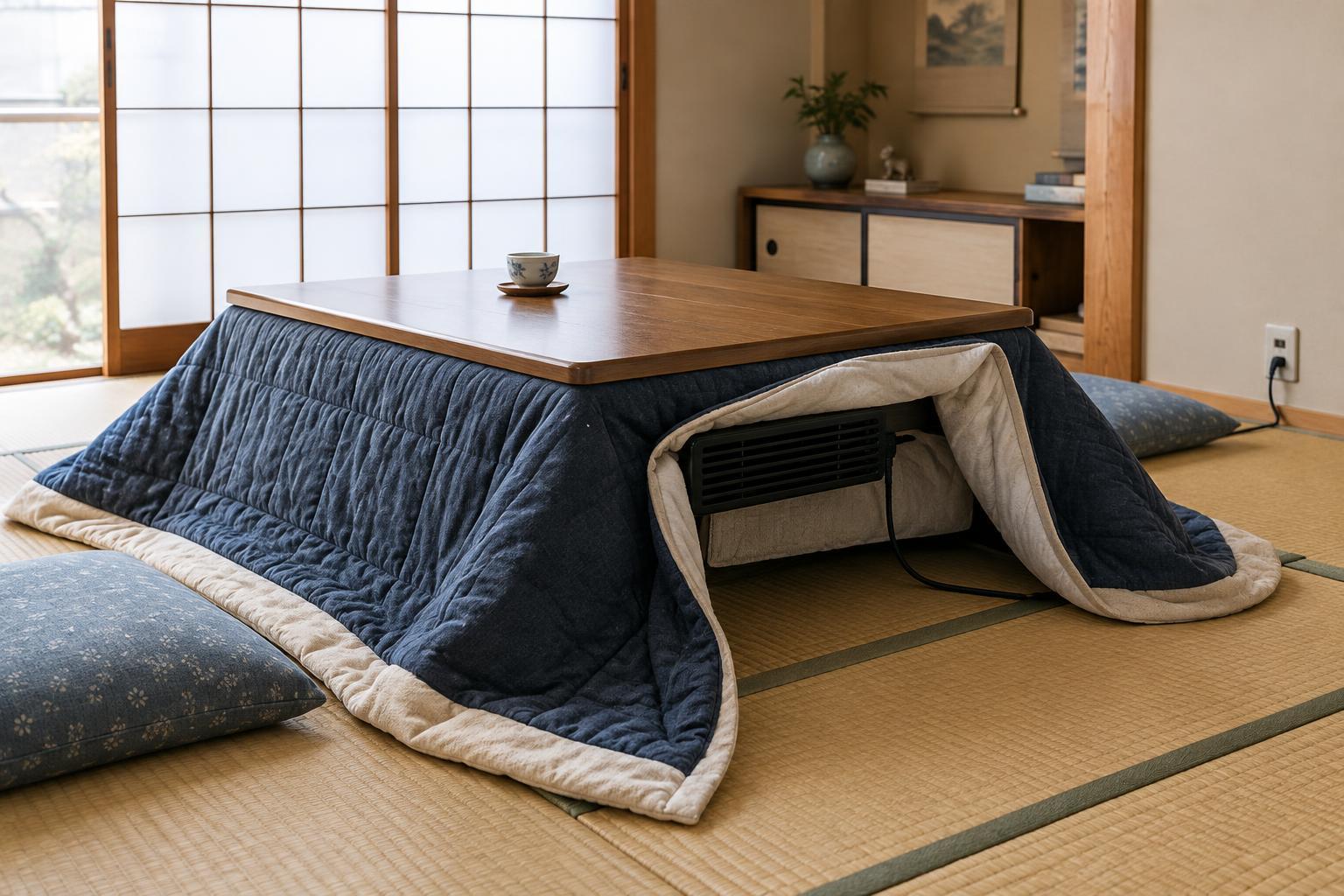
In warmer weather, try removing a thick throw before buying anything lighter. A bare chair or neatly folded cotton cloth may make a space feel more open. If a surface still needs softening, breathable fabrics such as cotton or linen can offer a gentler layer. In cooler months, bring back a denser weave, a quilted cushion cover or a blanket you enjoy using. The aim is comfort, not a room that looks seasonally perfect.
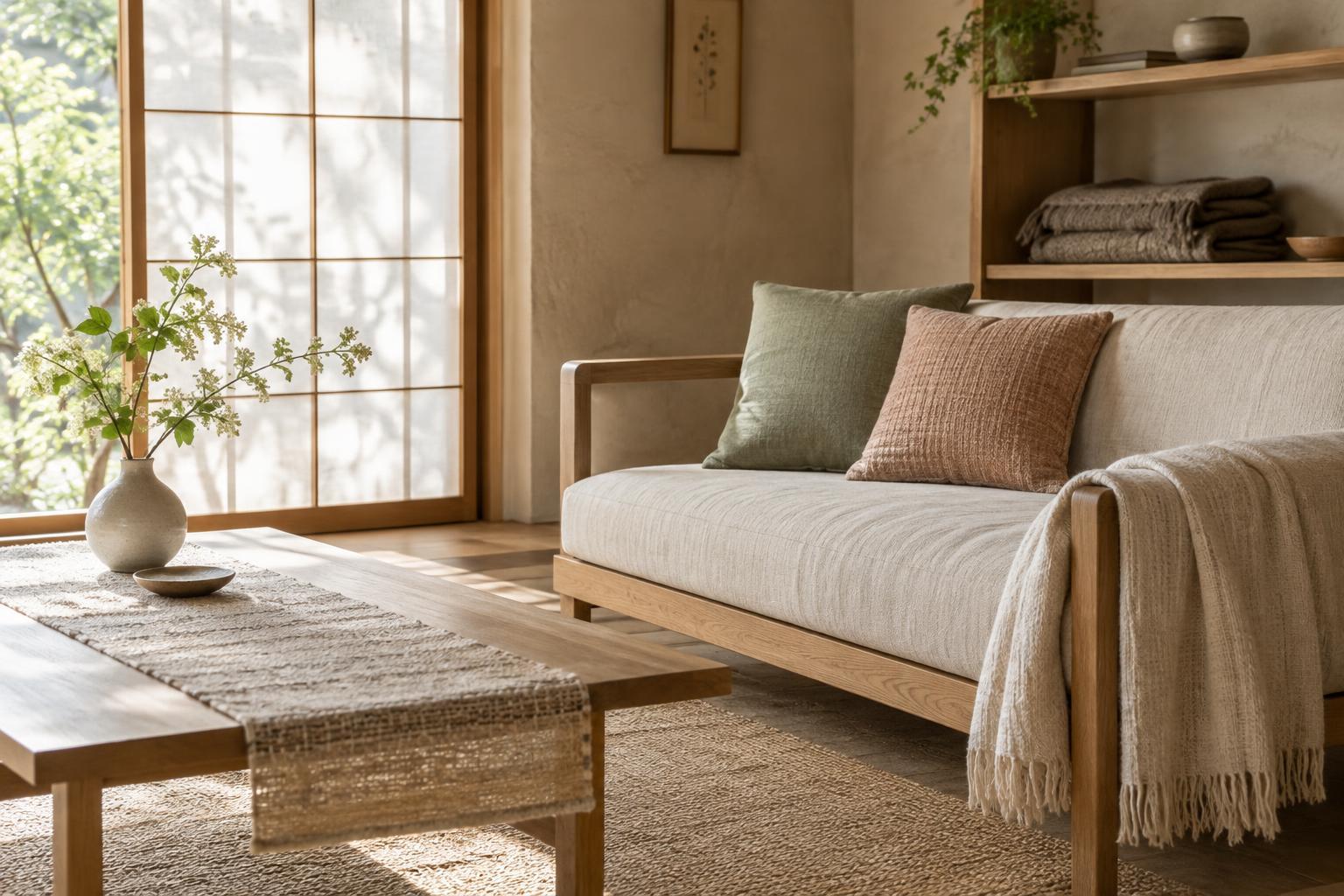
Think about how fabric hangs as well as how it feels. A light cloth draped over a shelf or used as a small table covering has a different presence from a heavy, structured runner. Japanese tenugui, which are thin rectangular cotton cloths, can serve as practical hand towels or small decorative accents. If you use one in view, let it have a purpose rather than treating it as a compulsory symbol of Japanese style.
Shift color in small doses
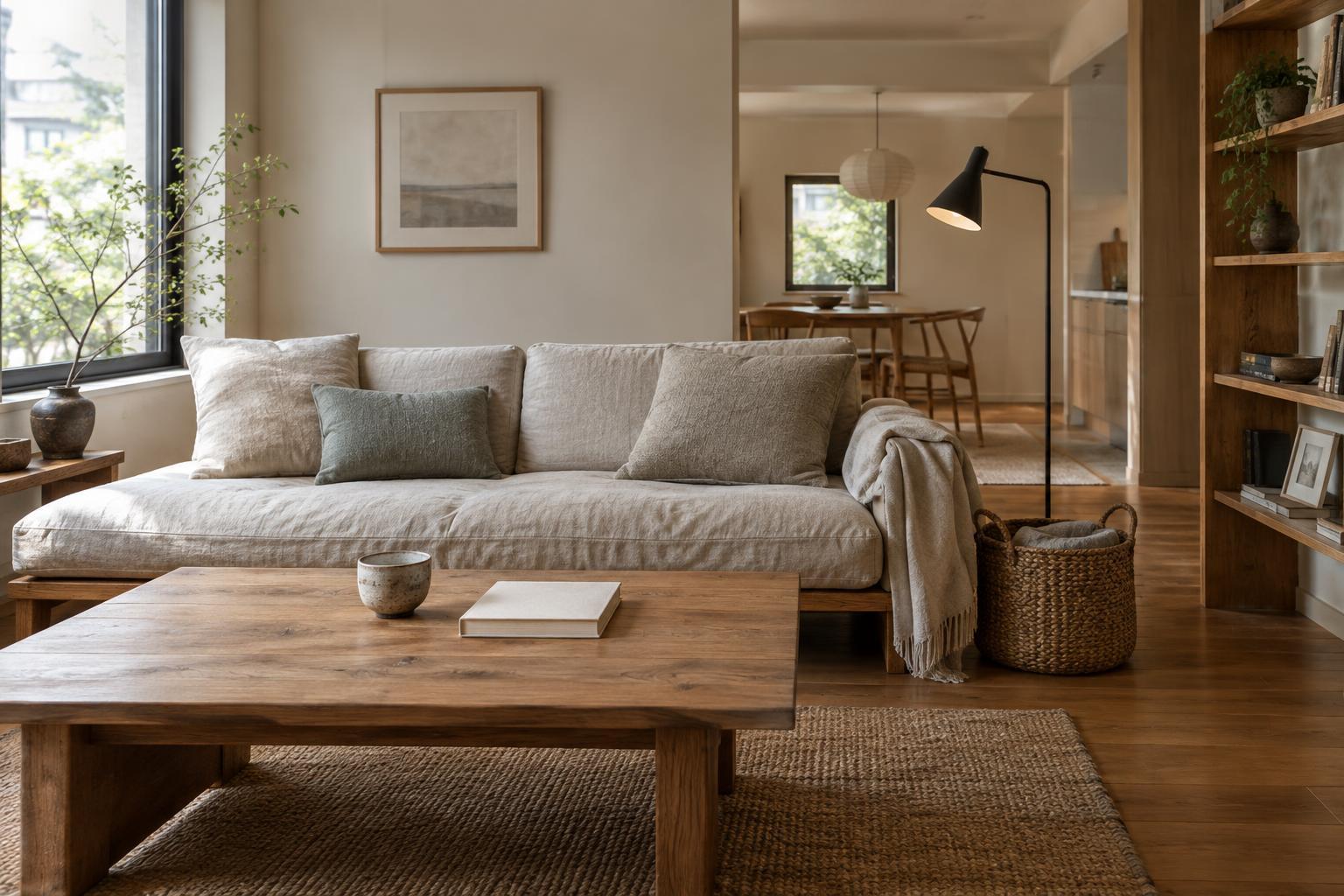
Seasonal color can be subtle. Instead of replacing every cushion, keep a base of colors you like year-round and change one visible layer. A pale cover can make a dark sofa feel lighter; a deeper-toned throw can bring warmth to a simple chair. The effect depends on the room's light and existing materials, so it helps to test a cloth in place before deciding it works.
You might draw inspiration from seasonal observations without assigning strict meanings to particular colors: the softness of an overcast morning, the shade of new leaves, or the muted tones of dried grasses. These references leave room for personal taste. They also keep the focus on what you can actually see from your windows, rather than on an imagined version of a Japanese interior.
Use texture to create a quieter change
Texture can refresh a room even when its palette stays the same. A smooth cotton cushion beside a nubbier weave, or a crisp cloth laid over a worn wooden table, gives the eye somewhere to rest. Limit the number of competing textures if you prefer a calm space. One change is often enough to make familiar furniture feel newly considered.
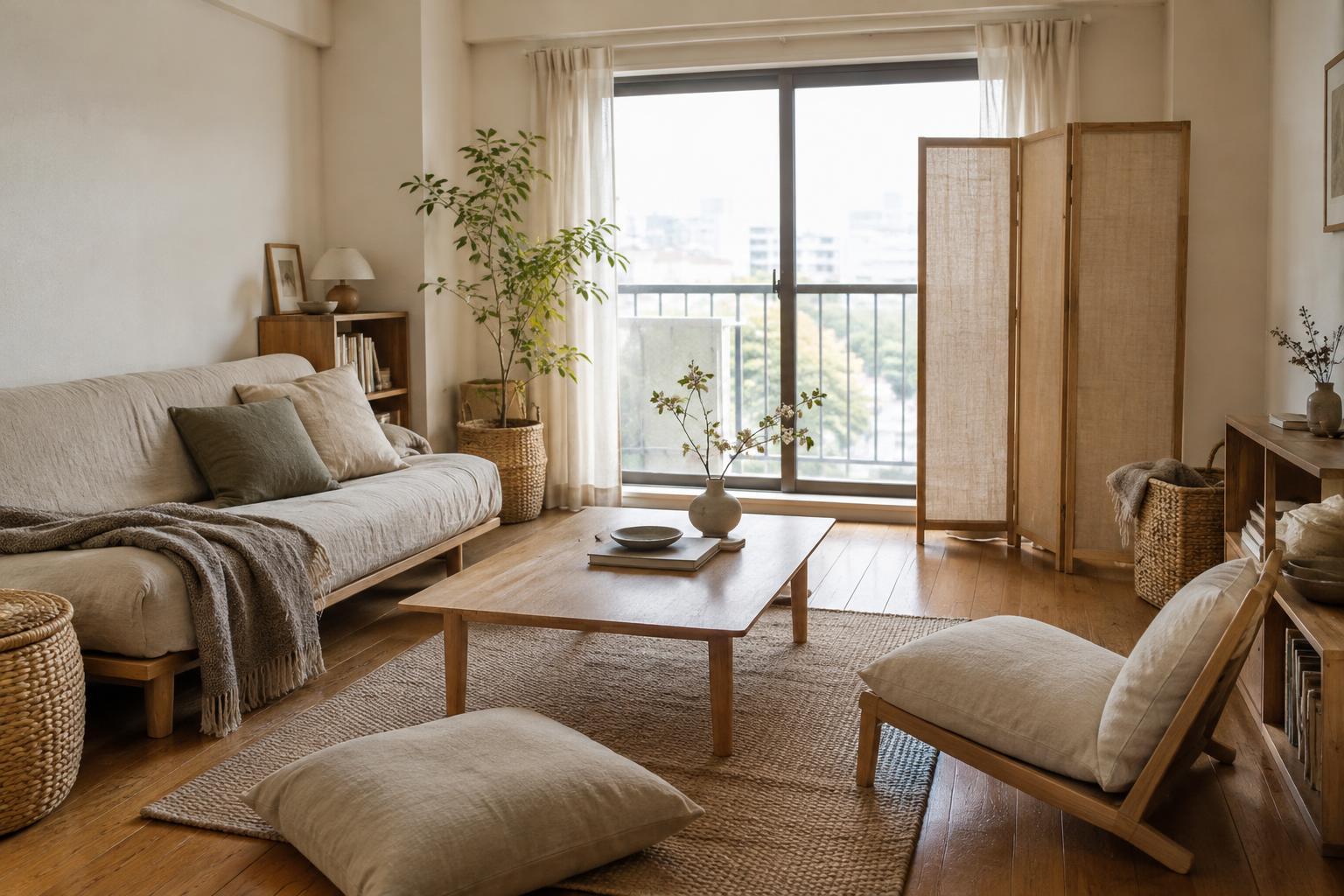
Japanese interiors offer several textile forms to learn about, though they are not interchangeable decorations. A zabuton is a floor cushion intended for sitting; if floor seating suits your household, its cover can be a useful place for a seasonal fabric change. A noren is a fabric divider often hung across an opening. Before adding either, consider the job it would do in your space. A divider that catches on a door or a cushion nobody uses will add clutter rather than ease.
Make rotation easy to live with
A small collection is easier to enjoy than a cupboard full of seasonal purchases. Choose pieces that work in more than one room, check care labels before bringing them home, and consider whether their fabric can handle the way you live. Wash and dry textiles thoroughly before storing them, then keep them somewhere clean and dry. Folding them where you can find them again makes the next change feel like a simple household task.
There is no need to switch everything on the first day of a season. Let changing light, temperature and daily routines prompt you. Take away a layer when a room feels crowded; add one when a seat feels unwelcoming. By adjusting weight, color and texture a little at a time, you can make room for the seasons without losing the character your home already has.