Begin with the way you want to use the space
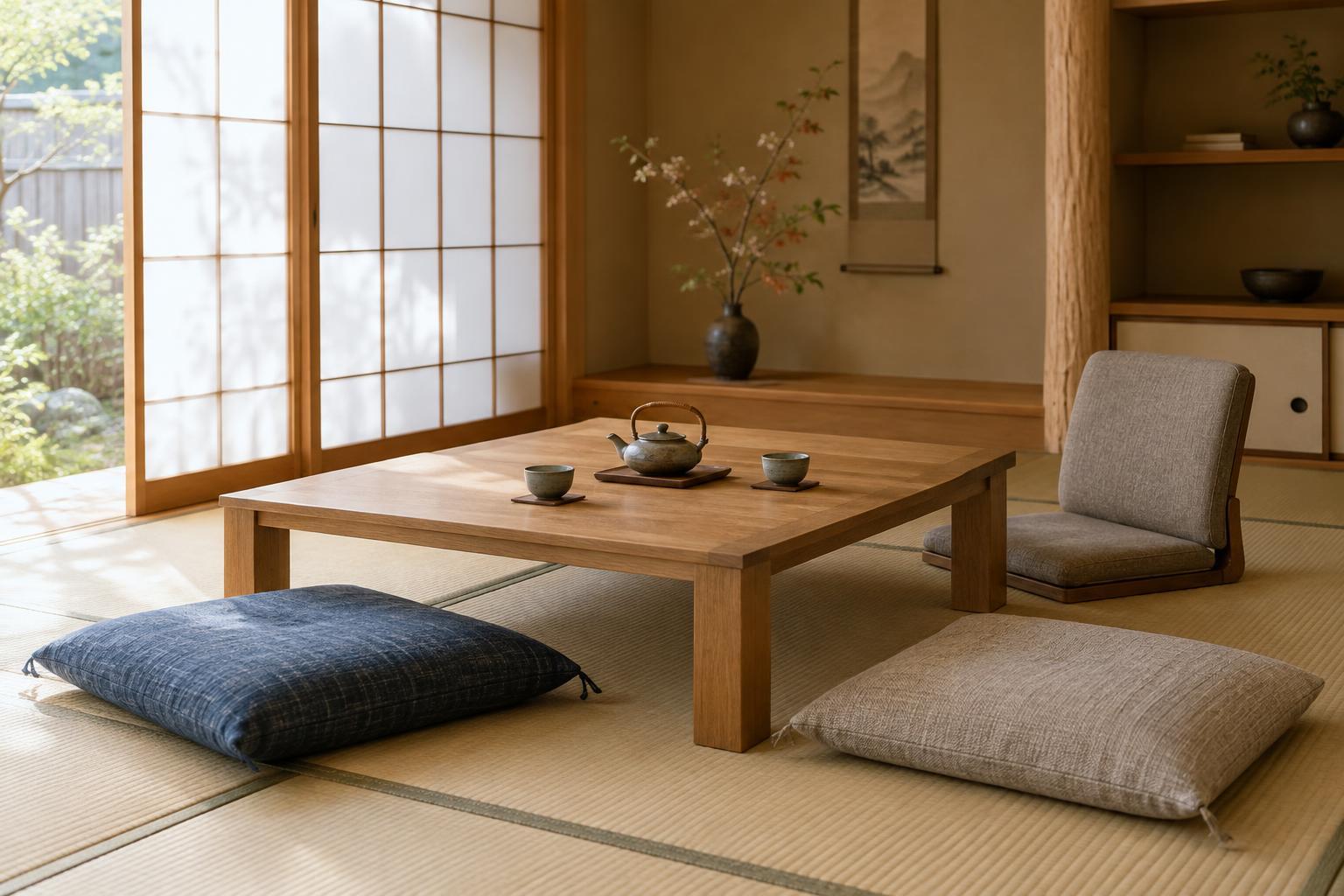
Floor-level seating is not a single look or a rule for how a Japanese-inspired room should be arranged. It is a flexible way to make space for tea, conversation, reading or a meal. A zabuton is a floor cushion; a zaisu is a low chair with a backrest, usually without raised legs; and a low table gives the arrangement a shared center. You can use one of these pieces without committing to all three.
Before buying anything, imagine an ordinary day. Will you sit for a short cup of tea or spend an hour eating and talking? How many people need a place? Would the area also serve as open floor space? Those answers matter more than achieving a particular image. Trying the layout with cushions and a temporary table can help you discover whether its height and footprint feel comfortable.
Choose a zabuton for the floor beneath it
A zabuton adds a layer between your body and the floor. Look for enough width to sit without feeling perched on the edges, and enough filling to soften a firm surface. A cushion that looks generously padded may compress during use, while one that is too thick can make it harder to settle into a stable position. If possible, sit on a few styles before choosing; if not, pay attention to dimensions, filling and care instructions.
The floor surface changes the experience. A cushion on tatami may feel different from the same cushion on wood or tile. On a slippery floor, a rug or suitable underlay can help keep the arrangement in place. Removable covers are useful where food or drinks are involved. Make a habit of lifting and airing cushions as appropriate for their materials, especially if they usually stay in one spot.
Add a zaisu when you want back support
A zaisu offers a backrest while keeping you close to the floor. Some have a padded seat; others pair well with a separate zabuton. Styles range from simple, upright frames to adjustable designs, so consider how you will actually use one. A chair that feels pleasant for a brief conversation may not be your preferred seat for a long meal or reading session.
Check the shape and finish of the chair’s underside as carefully as its upholstery. Hard edges or moving parts may mark a delicate floor, and some designs can rock or slide when you lean back. A protective mat may help, provided it stays flat and does not become a trip hazard. Floor-level seating also requires getting down and standing up again; keep a conventional-height seat available for anyone who finds that difficult. Comfort and welcome matter more than a perfectly matched set.
Find a low table that fits bodies and belongings
A low table should work with the seat height you have chosen. If it is too high, you may find yourself reaching upward; too low, and there may be little room for your legs. Sit on the intended cushion or chair and test where your hands rest naturally. Leave space for knees, feet and the way people prefer to change position. A table that accommodates everyone seated around it can feel more inviting than one selected for its shape alone.
Think about use as well as size. A compact table may be enough for cups and a book, while shared meals call for more surface area and a steady base. Rounded corners can be practical in a small room. Folding legs are helpful if the floor needs to be cleared regularly, but check that their mechanisms lock securely. Measure the table both in use and where it will be stored; a low piece still takes up valuable floor space.
Let the arrangement stay adaptable
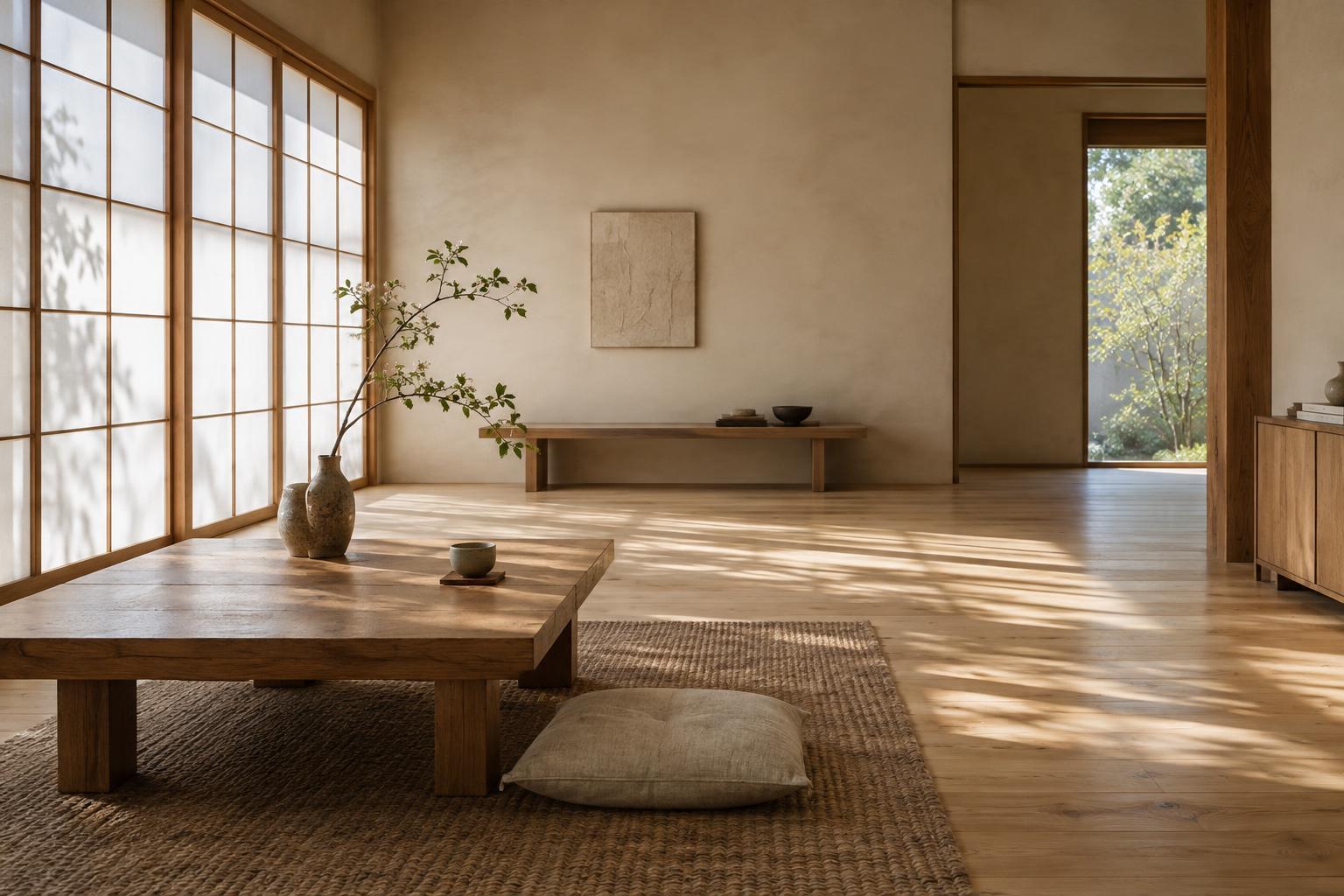
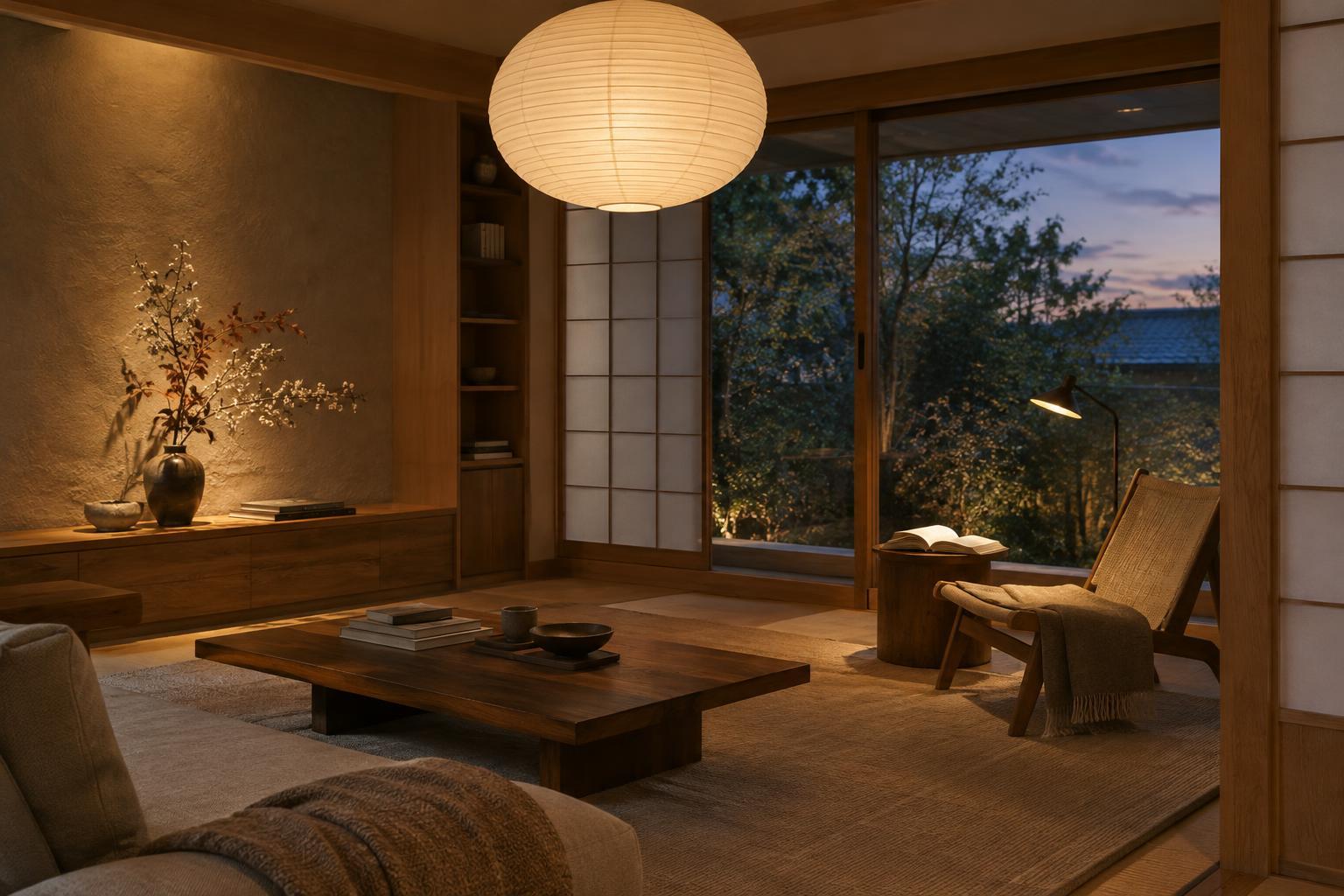
You do not need tatami or an entirely new room to create a floor-level corner. Start with a clean, comfortable surface, one or two cushions and a table you can move easily. Keep a little open space around the setup so people can enter, stand and shift position without stepping over cups or furniture. If you use lamps, cords or hot drinks nearby, place them where they are unlikely to be knocked over.
Materials and colors can reflect the room you already have. A washable cushion cover, a wood table and a modest rug may be enough to bring the pieces together without turning everyday objects into decoration alone. The most thoughtful choice is one you will enjoy using and caring for. Sit down, notice what works, and adjust the arrangement over time.