A season of remembrance, not one fixed set of rituals
Obon is a period when many people in Japan honor deceased family members and welcome their spirits home. It draws on Buddhist traditions, but the ways families observe it are shaped by household history and local practice. For some, it centers on quiet time at a family altar and a visit to a grave. For others, it also includes relatives gathering, lanterns or a neighborhood dance.
It helps to think of Obon as a season of remembrance rather than a single ceremony everyone performs alike. A family may keep familiar customs, adapt them to apartment living or observe the occasion privately. Some people do not celebrate Obon at all. Understanding those differences makes it easier to appreciate what you see without treating one household or festival as a model for all of Japan.
Welcoming ancestors at home
In households that observe Obon, preparations may begin with tidying the home and arranging flowers, food or other offerings near a Buddhist family altar, known as a butsudan. Some families light a small welcoming fire, called mukaebi, or display lanterns to symbolize guiding ancestors home. At the close of the observance, a sending-off fire, okuribi, or another local practice may mark their departure. Fire is not used everywhere, especially where space or safety rules make it impractical.
You may also encounter small figures made from cucumber and eggplant, often described as a horse to carry spirits swiftly home and an ox to carry them back more slowly. These are memorable symbols, not universal Obon decorations. The meaning and use of any offering are best understood through the family or community that prepares it.
What happens during a grave visit
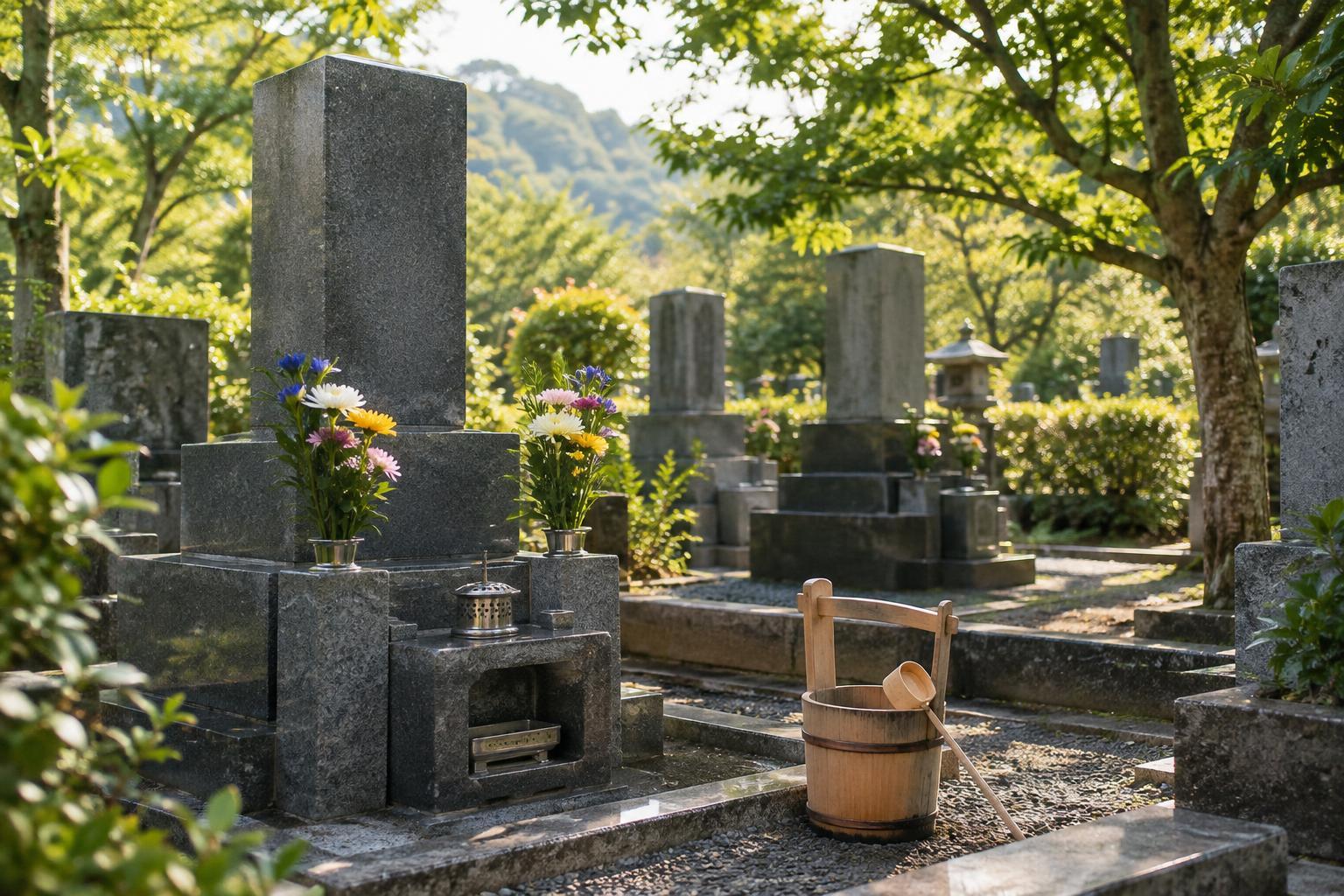
Visiting family graves, or ohakamairi, is an important part of Obon for many households. Relatives may clear weeds, wash the stone where appropriate, replace flowers and offer incense or a quiet prayer. The visit is both an act of care and a chance to remember people by name. Grave visits are not limited to Obon, and a family’s timing may depend on travel, work and when relatives can gather.
If you are invited to join a visit, follow your host’s lead. Ask before handling grave items, lighting incense or placing food, since cemetery rules and family preferences differ. Keep your voice low around other visitors, and do not photograph graves or private rituals without permission. An invitation to accompany a family is an invitation to be present respectfully, not an expectation that you already know every gesture.
Why the dates and customs vary
Obon is often associated with August, but some communities observe it in July, while others follow a timing linked to the lunar calendar. Local calendars, inherited practices and family circumstances all affect when people gather. If you are planning a visit or hoping to attend a public event, check that community’s information rather than assuming Obon falls on the same days everywhere.
Regional differences extend beyond the calendar. Lanterns, offerings and ways of sending ancestors off can take distinct local forms. Bon odori, a style of communal dancing associated with the season, may be a prominent part of one town’s summer gathering and less visible in another. A lively public dance and a quiet household observance can coexist; neither tells the whole story of Obon.
Approaching public Obon events with care
Many Bon odori gatherings welcome newcomers, and watching first can help you learn the flow of the event. If participation is invited, join at the pace of those around you and follow any posted guidance. Public festivities may include music and food stalls, but their festive atmosphere does not erase the season’s connection to remembrance.
For a thoughtful visitor, the most useful habit is to notice what is public and what is personal. Enjoy a community dance if it is open to guests; give families room at graves and household altars. When you are unsure about a custom, a simple, considerate question is better than assuming there is one correct way to observe Obon.