What is tsukimi?
Tsukimi means “moon viewing.” The word can describe the simple pleasure of looking at the moon, but it is especially associated with an autumn custom centered on Jūgoya, the fifteenth night of the eighth month in the traditional lunar calendar. Because that calendar does not align neatly with the calendar used for everyday dates today, the occasion falls on a different date each year, usually in September or October.
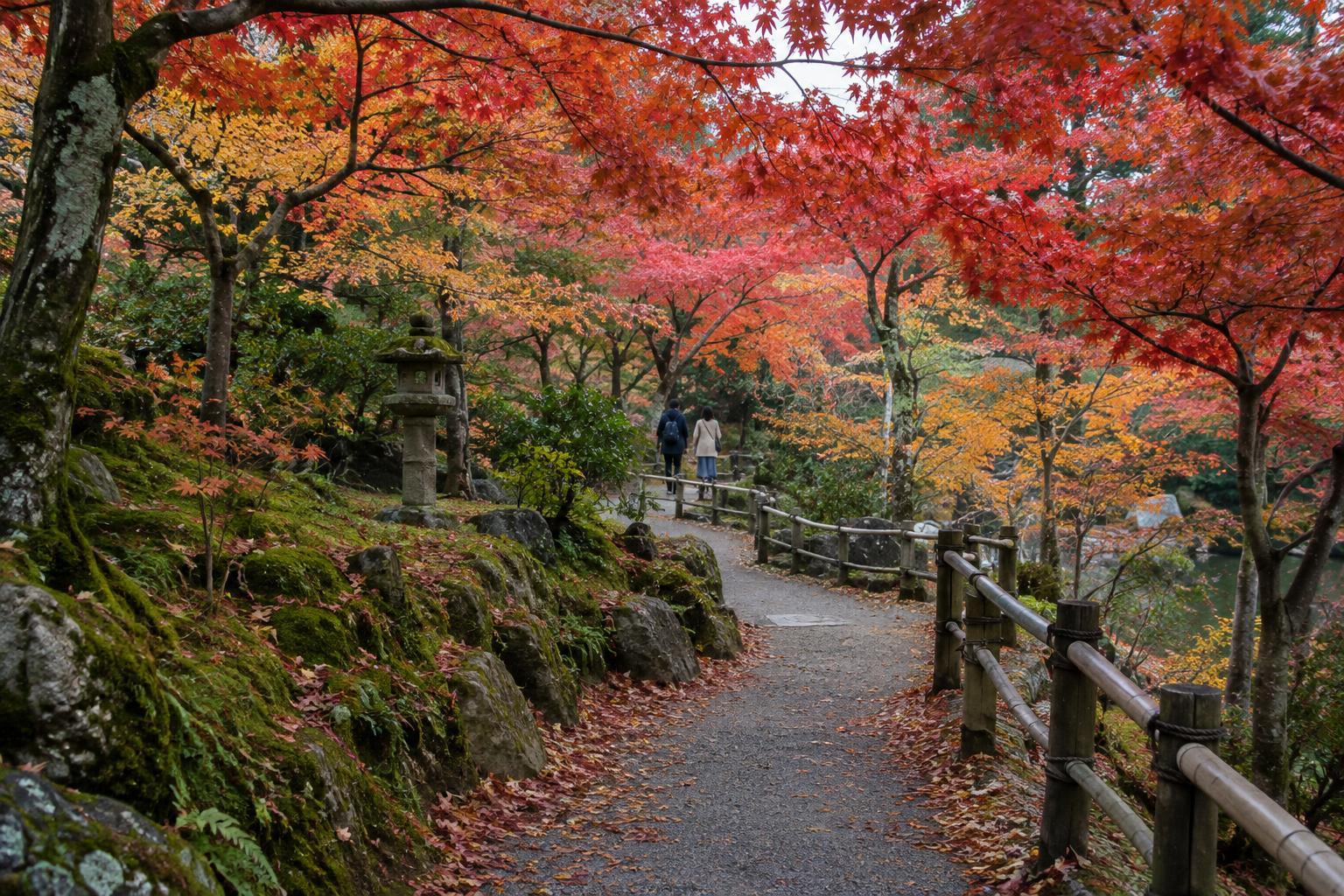
An autumn moon-viewing evening need not be elaborate. Someone might arrange a few seasonal offerings near a window, step outside after dark, or share a quiet moment with family. The moon is the focus, yet tsukimi is also a way to notice the season around it: cooler air, ripening crops, and the changing appearance of grasses and trees.
Where the custom comes from
Moon appreciation has a long history across East Asia, and Japanese autumn moon viewing was shaped in part by practices that came from China. During Japan’s Heian period, moon viewing became a pastime among the courtly elite. Poetry, music, and gatherings offered ways to respond to the moon’s beauty, rather than merely observe it.
Over time, moon viewing also became connected with harvest observances. Seasonal foods could be offered in gratitude for the crops and in hope of a good harvest. These strands—appreciating the moon and acknowledging the season’s abundance—help explain why tsukimi can feel both contemplative and festive. Customs have varied by place and household, so there is no single arrangement or ceremony that defines every celebration.
You may also encounter references to Jūsanya, the thirteenth night of the ninth lunar month. It is another autumn moon-viewing occasion in Japan, traditionally associated with offerings such as chestnuts or beans. Knowing about it is a reminder that tsukimi is not limited to one perfect-looking full moon.
The meaning of common offerings
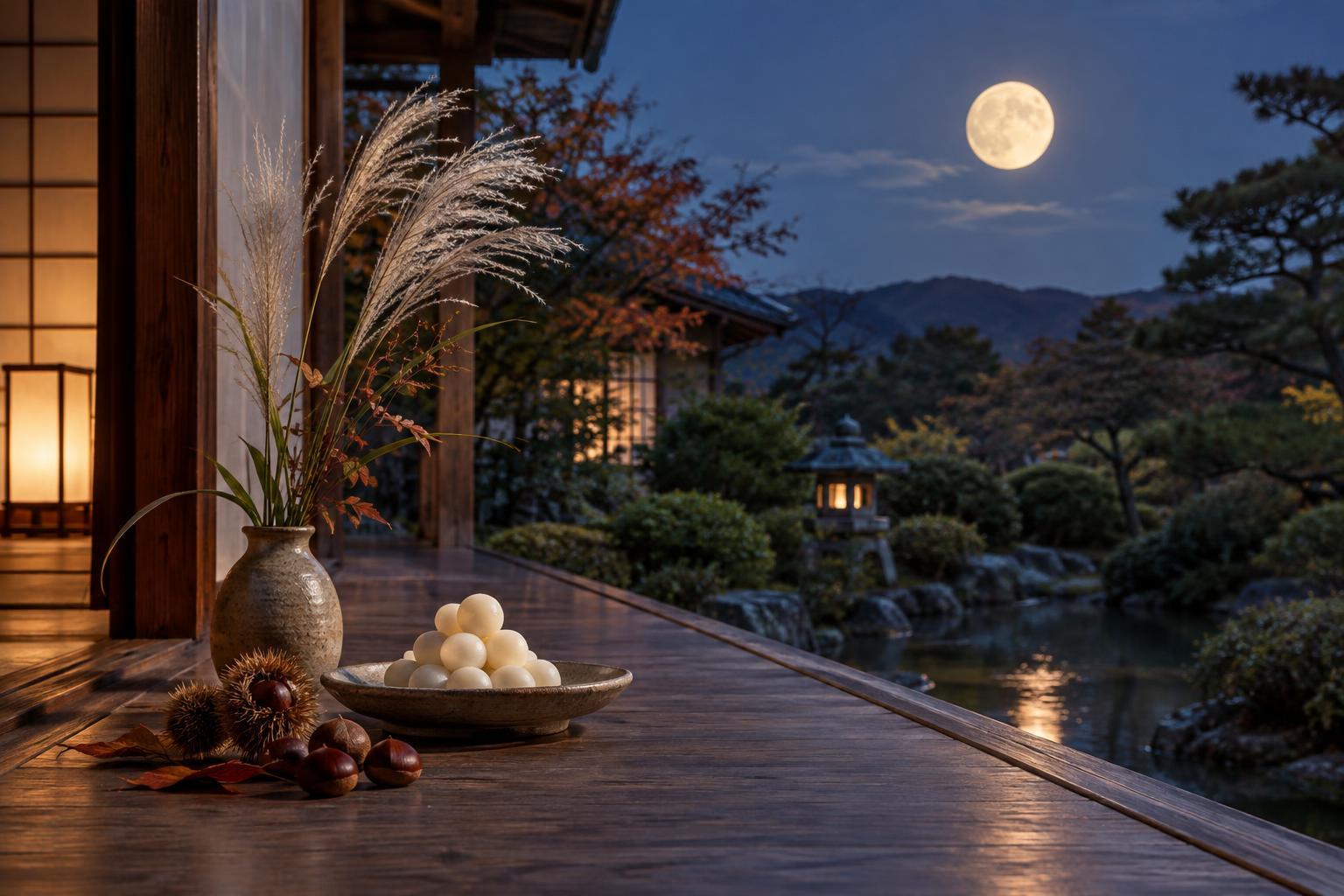
A familiar tsukimi display includes tsukimi dango: small, plain rice dumplings often stacked on a dish. Their round shape evokes the moon. Dango may be enjoyed as food as well as presented as an offering, although recipes and arrangements differ. If you see a particular number or stacking pattern described as essential, it is worth remembering that household and regional practices are not always the same.
Another common element is susuki, or Japanese silver grass. Its feathery plumes make a striking autumn arrangement and can stand in for rice stalks in a harvest display. Foods of the season, including taro, may also be set out; Jūgoya is sometimes called the “taro moon” because of that association. Fruit or other produce can make the connection between the moon-viewing table and the local harvest feel more immediate.
The offerings are not decorations with only one fixed meaning. They bring together visual beauty, gratitude, and an awareness of what the season provides. A modest arrangement can convey those ideas as clearly as a carefully prepared display.
How to enjoy moon viewing today
For a simple evening, choose a place where you can see the sky comfortably and safely: a balcony, a garden, a public space where evening visits are welcome, or a window at home. Turn down nearby lights if you can, and give your eyes a little time to adjust. You might set out dango and a small vase of seasonal grasses, or simply bring a warm drink and spend a few minutes looking up.
Clouds do not have to spoil the experience. Watching the moon appear and disappear can be part of paying attention to the night. Nor do you need special equipment or an uninterrupted view. The most useful preparation may be allowing enough time to pause without trying to make the moment perfect.
If you are joining someone else’s celebration, follow their lead about offerings and whether food is shared afterward. If you are trying tsukimi at home, approach it as an invitation to learn and observe rather than a performance to get exactly right. At its heart, moon viewing offers a gentle reason to notice autumn, appreciate what it brings, and look at a familiar sky with fresh attention.