What is a nengajō?
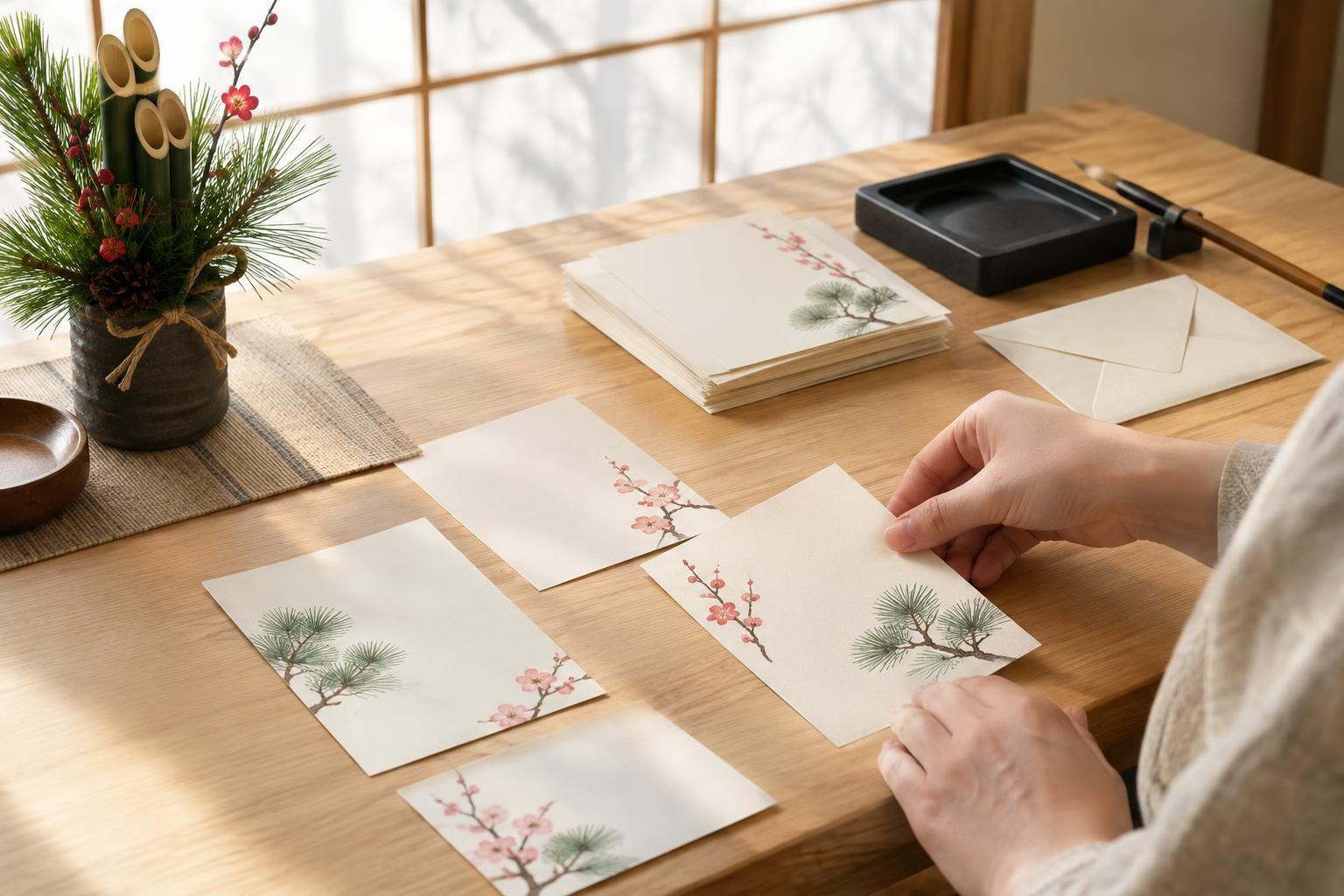
A nengajō is a greeting card for the New Year. It offers good wishes and keeps a connection warm, whether the recipient is a relative, a friend, a former teacher or someone you work with. Many cards combine a short message with an illustration, a photograph or the zodiac animal associated with the coming year. The design can be playful or restrained; what matters most is that it suits the relationship.
Nengajō are traditionally sent through the post so they arrive at the start of January. That makes them a little different from a holiday card mailed whenever it is ready. You do not need to send one to everyone you know in Japan, and you need not imitate a formal style that feels unnatural. A sincere, legible greeting is a good place to begin.
When should you send them?
If you are mailing cards within Japan and hope they will arrive on January 1, prepare them in December. Japan’s postal service generally sets a mid-to-late December window for New Year’s cards, with a recommended late-December posting deadline for January 1 delivery. Exact arrangements can vary, so check the postal guidance for the year rather than relying on an old deadline. Cards sent internationally need more time, and arrival on New Year’s Day may not be practical.
A nengajō is meant to greet the new year, not the old one. If you hand a card to someone in December, you can place it in an envelope and suggest they open it in January. If you miss the New Year delivery window, a slightly late greeting may still be welcome in early January. Customs around how long a New Year greeting feels timely vary by region and household, so avoid treating January 7 or January 15 as a universal cutoff. Later in winter, a seasonal greeting called kanchū mimai is often a better choice than a belated nengajō.
What to write on the card
A simple card can include a New Year greeting, thanks for the past year and a wish for the year ahead. For example, you might write in English: “Happy New Year. Thank you for your kindness last year. I hope the coming year brings you many good moments.” If you are comfortable writing Japanese, “Akemashite omedetō gozaimasu” is a polite New Year greeting. Add a personal sentence about a shared memory or something you look forward to; it will mean more than filling every space with a set phrase.
Match the tone to the recipient. A family photograph may feel natural for a close friend but less suitable for a distant professional contact. Check names carefully, especially kanji if you are copying a Japanese address. When using a Japanese honorific after an individual’s name, sama is a respectful general choice; do not add it after an English “Mr.” or “Ms.” on the same name. Include your own name and return address so the recipient knows who has written, particularly if you have not been in touch recently.
A few mistakes worth avoiding
One important exception is mourning. In Japan, someone who has recently lost a close family member may send a mochū hagaki, a notice explaining that they will refrain from New Year greetings. If you receive one, do not send that household a cheerful nengajō. You can instead send a quiet, considerate note at another time, without pressing for a reply. Practices differ between families, so follow what the person has communicated rather than making assumptions.
Do not worry about making your card perfectly traditional. The more useful checks are practical ones: send it with enough time, confirm the address, and make sure a printed message does not contain the wrong name or year. If you are replying to a card you did not expect, you can still write back promptly and warmly. A late reply that acknowledges the greeting is usually kinder than silence caused by worry over a missed deadline.
Keep the exchange thoughtful
For someone new to the custom, a small list is easier to manage than a large obligation. Start with people you genuinely want to greet, draft a message that sounds like you, and leave time to check each card before mailing. If you are unsure whether a recipient exchanges New Year cards, a personal message in another format may be more appropriate.
The lasting appeal of nengajō is modest: it gives you a reason to pause, remember a person and wish them well. Timing and etiquette help that gesture land comfortably, but care for the recipient matters more than an elaborate design or flawless wording.