Two opportunities to say thank you
Ochūgen and oseibo are seasonal gift-giving customs in Japan. Ochūgen is associated with summer, while oseibo is given toward the end of the year. Both commonly express appreciation to someone whose help, guidance or goodwill has mattered over time. They are less like birthday presents, which celebrate one person on a particular day, and more like a thoughtful acknowledgment of an ongoing relationship.
That does not mean everyone in Japan gives or expects these gifts. Practices vary among families, workplaces and generations, and some people prefer a note or a personal conversation instead. For an international reader, the most useful starting point is not “What must I buy?” but “Would a seasonal gift feel natural and welcome in this relationship?”
When ochūgen and oseibo are given
Ochūgen gifts are generally sent in July, although the usual window can extend into August depending on the region and the recipient’s custom. Oseibo gifts are generally sent in December, ideally with enough time to arrive before the year-end rush. If you are sending something to a person or organization in Japan, check the preferred timing rather than assuming one nationwide deadline.
The difference in timing also shapes the message. Ochūgen says, in effect, “Thank you for your kindness so far this year.” Oseibo looks back over the year as a whole. A late gift can still be kind, but its seasonal label may no longer fit. When in doubt, a simple thank-you note accompanying a gift is better than confidently using an occasion you are unsure about.
Who might receive a seasonal gift?
A gift might go to a relative, mentor, former teacher or other person with whom the giver has an established relationship. Business relationships can also be part of the custom, though workplace rules may restrict gifts. These examples are possibilities, not a checklist: you do not need to send a gift to every person who has helped you.
Think about whether the gesture creates comfort or an unwanted sense of obligation. A gift to someone you barely know, or an expensive present to a person in a position to make decisions on your behalf, may be awkward or inappropriate. If you are unsure about a professional recipient, check the relevant gift policy first. For a personal relationship, a warm message may do more than a formal package.
How to choose something considerate
Consumable gifts are often practical because they do not require the recipient to find permanent space for them. Tea, coffee, sweets, fruit or pantry items are possible choices. Summer may suggest something refreshing; year-end may invite something that can be shared at home. Rather than seeking the most impressive item, consider the recipient’s tastes, household size and ability to use it before it spoils.
Dietary restrictions, allergies and storage needs matter more than an elaborate box. Alcohol, for example, is not a safe default. If you know little about the recipient’s preferences, a modest, shelf-stable selection may be easier to receive than a large perishable hamper. Where gift-giving is mutual, keeping the value restrained also makes it easier for the other person to accept without feeling pressure to match it.
Presentation and a graceful approach
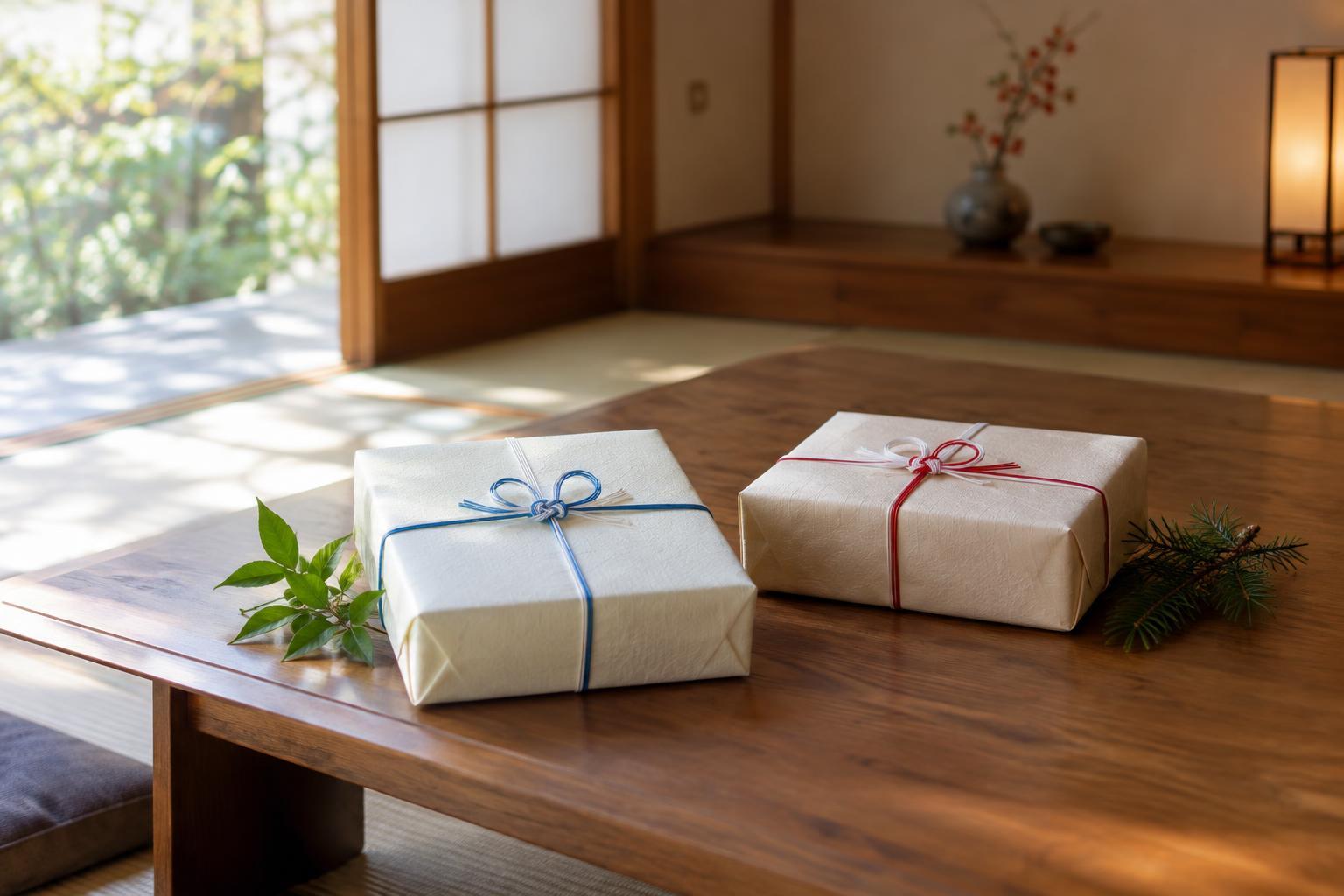
Seasonal gifts sold in Japan may offer a decorative paper wrapping called noshi, with the occasion identified as ochūgen or oseibo. A shop can usually help you select the appropriate option. If you are arranging delivery from abroad or sending a less formal gift, careful packaging and a short, sincere message are more important than trying to reproduce every detail of formal presentation.
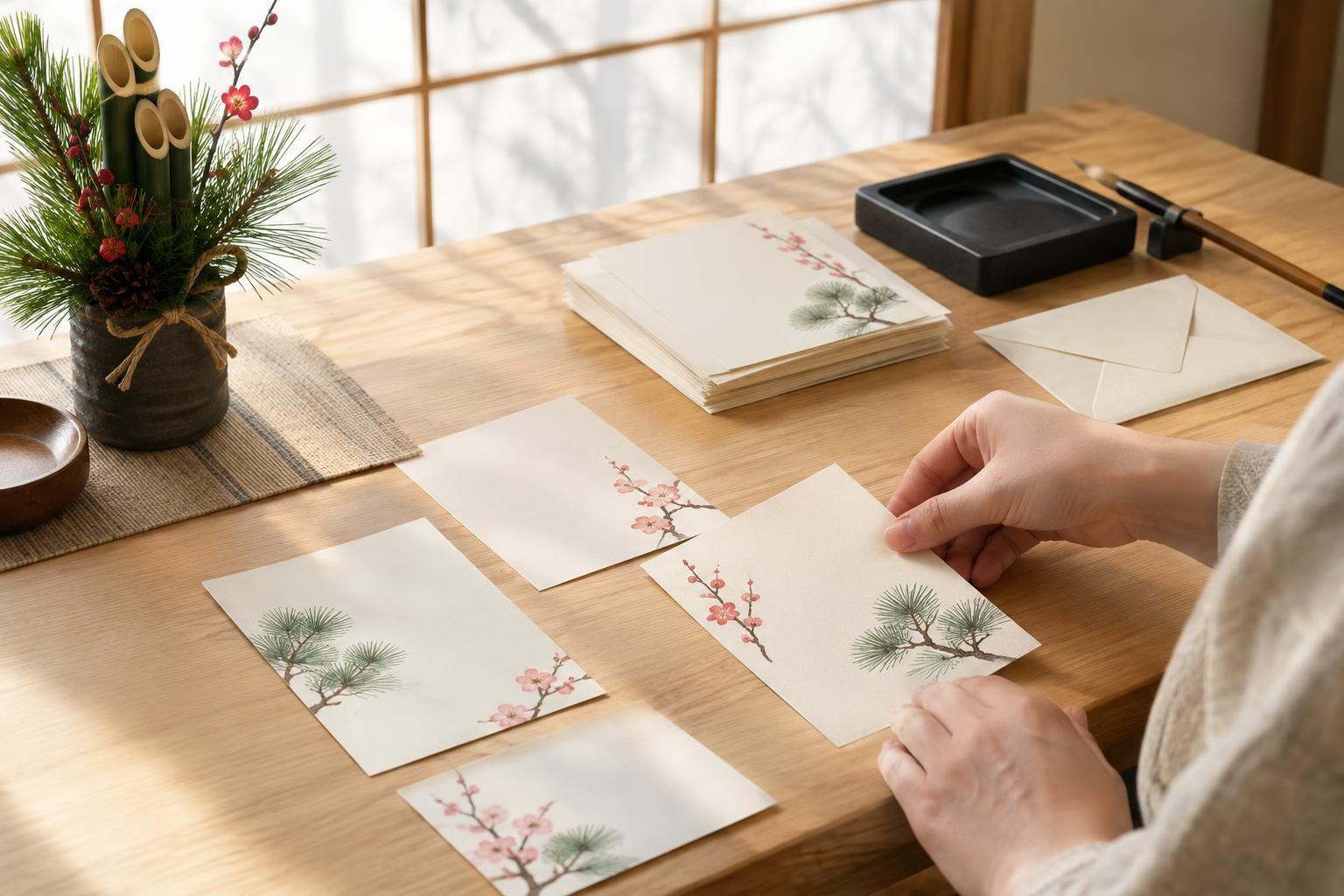
You might write that you appreciate the recipient’s help and hope they will enjoy the gift, without implying that a reply or return gift is expected. Check the address, delivery window and whether someone can receive a perishable parcel. Above all, let the relationship guide the gesture. Ochūgen and oseibo offer useful moments to pause and give thanks; their value lies in attentiveness, not in following a formula perfectly.