What is ohigan?
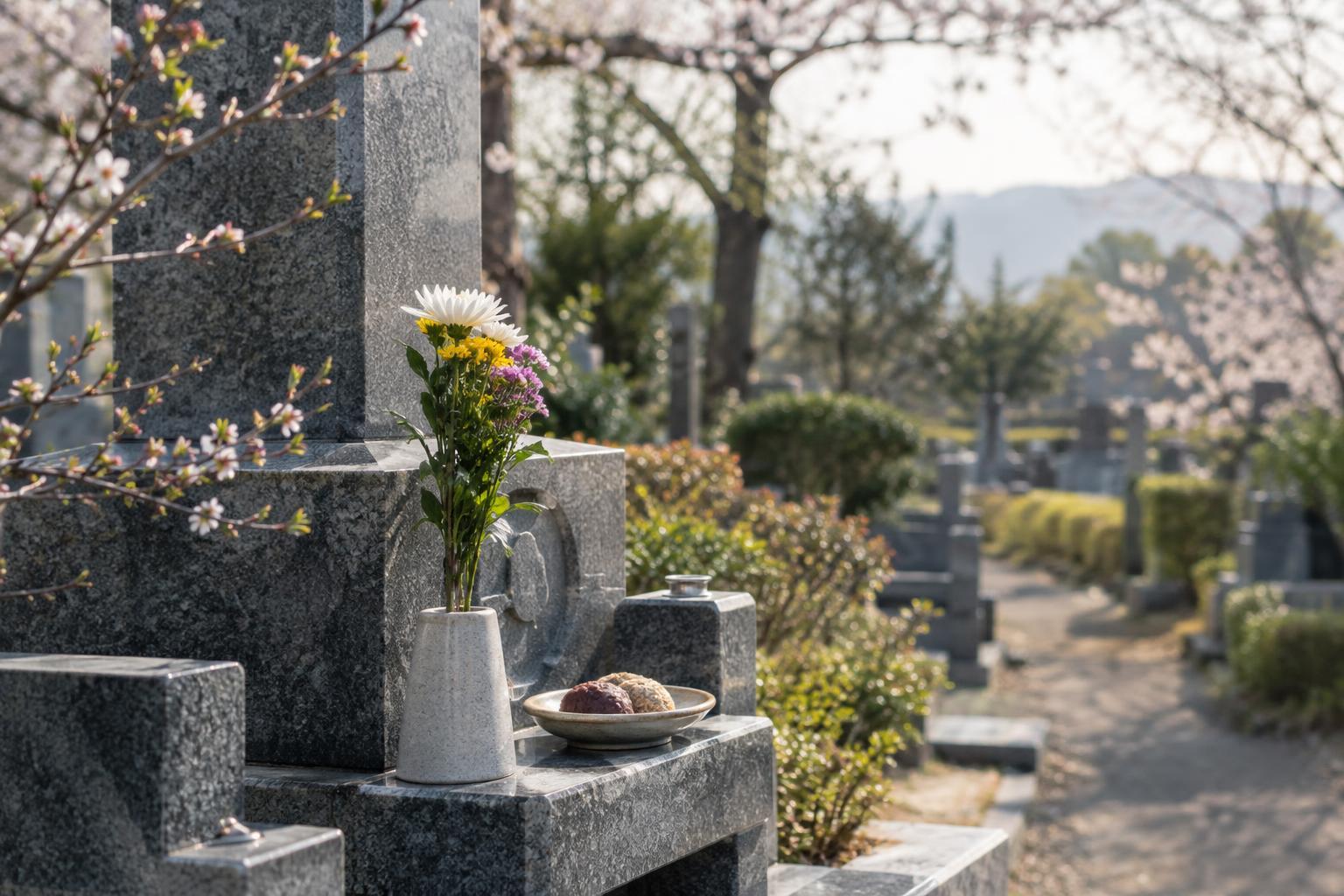
Twice a year, as day and night come close to equal length, many people in Japan mark a period called ohigan. It falls around the spring and autumn equinoxes. For some families, the most familiar part of ohigan is visiting the graves of relatives: clearing away leaves, offering flowers, and spending a few quiet moments remembering them. Others may visit a temple, make an offering at home, or simply pause to think of people who have died.
Ohigan is associated with Buddhist ideas, though a person does not need to understand every religious detail to recognize the care expressed in these acts. The word higan refers to the “other shore,” often understood as a realm beyond everyday suffering. In practice, the observance can be both spiritual and ordinary: a family outing, a shared task of tending a grave, and a chance to speak about someone whose absence is still felt. Customs differ among households, Buddhist traditions, and regions, so no single description fits everyone.
Why there are two ohigan periods
Each ohigan period lasts seven days, with the equinox at its center and three days on either side. The spring and autumn equinoxes give the custom a clear seasonal rhythm, even though the precise calendar dates can vary from year to year. The two observances invite similar acts of remembrance, but their surroundings feel distinct. Spring may bring new growth and the first signs of warmer weather; autumn arrives as heat recedes and leaves begin to change.
That rhythm helps explain why ohigan belongs in a conversation about seasonal life, not only religious practice. Returning to the same place twice a year makes change visible: plants have grown, a path looks different, and family members may have new stories to tell. A grave visit can be a practical task as well as a reflective one. Cleaning a marker or replacing flowers is a way of caring for a place that holds meaning for the living.
Grave visits and seasonal sweets
A family visiting a cemetery might bring water, flowers, and supplies for tidying the grave. What is appropriate depends on the cemetery’s rules and the family’s habits. If you accompany someone, let them guide the order of things rather than assuming that you should handle objects or perform a gesture. Keep paths clear, take away rubbish, and ask before photographing a grave or a private family moment.
Ohigan is also associated with sweet rice cakes coated in red bean paste, often called botamochi in spring and ohagi in autumn. The names evoke seasonal flowers: peonies for spring and bush clover for autumn. You may encounter differences in size, texture, filling, or naming, but these are not reliable rules everywhere. A shop or family may use one name in both seasons. Enjoying the sweet can be a simple way to notice the time of year without assuming that every household includes it in an observance.
Like many seasonal customs, ohigan has room for both continuity and variation. Some people travel to a family grave, while others live too far away or have different ways of remembering relatives. A modest gesture at home may matter more to them than following a prescribed sequence. It is better to ask what a custom means to a particular person than to treat any one family’s practice as a national template.
How to approach ohigan thoughtfully
If you are visiting Japan during an ohigan period, you need not seek out a family observance to appreciate its place in the calendar. You might notice seasonal sweets at a shop or hear someone mention plans to visit a grave. If you visit a temple that welcomes the public, follow posted guidance, remain considerate of people there for personal reasons, and distinguish public spaces from family ceremonies.
At home, ohigan can offer a gentle prompt for reflection without turning someone else’s religious practice into a decoration or performance. Take a walk near the equinox and notice what has changed since the previous season. Make a familiar sweet, look through family photographs, or set aside time to remember someone important to you. These are personal choices rather than substitutes for Japanese Buddhist observance. The lasting idea is simple: the turning of a season can make space for care, memory, and attention to the people who came before us.