Pause before making a new plan
When something interrupts your itinerary, first find a safe place to stop: step aside from the station gates, move out of a shop entrance or take shelter from the rain. Then identify what has actually changed. Is your train delayed, or have you missed its departure? Is a museum closed for the day, or only its exhibition rooms? A few minutes spent checking can save you a costly or unnecessary detour.
Look for updates from the relevant train operator, venue or local transport provider rather than relying only on an itinerary you saved earlier. Station displays and staff can help clarify what applies to your route. If you need to contact your accommodation or a booked activity, do so early, especially if your arrival time has changed. A simple message with your name, booking details and revised estimate is more useful than a long explanation.
If you miss a train, check the ticket before buying another
Keep your ticket, booking confirmation and any separate seat-reservation details together. What you can do next depends on the train, operator, fare and how the ticket was purchased. A reserved seat on a particular departure may be treated differently from a ticket without a seat reservation; a discounted fare may have its own conditions. Do not assume that a ticket is either worthless or automatically valid on the next train.
At a staffed counter or gate, show the ticket and ask, “Sumimasen, kono kippu wa mada tsukaemasu ka?” This means, roughly, “Excuse me, can I still use this ticket?” You can also show the departure you hoped to take and ask about the next available option. If you booked through an app or travel seller, check its instructions too. When a delay caused by one service makes you miss another, explain the connection to staff before changing or discarding anything.
Treat closures as a cue to explore nearby
Opening hours can vary by venue, season and day of the week, and a place may occasionally close for reasons not reflected in an older guide. Check the venue’s own information if you can. If you are already there, read any notice at the entrance and avoid pressing staff or entering a restricted area. A closure is disappointing, but it can also keep the rest of your day from becoming a race across town.
Choose a replacement close to where you are: a garden, a small gallery, a shopping street or a quiet lunch. Grouping alternatives by neighborhood is more practical than keeping one rigid list of must-see places. If the original stop was a craft workshop or another booked experience, contact the organizer about its own rescheduling policy rather than assuming a walk-in visit will be possible later.
Build a weather-friendly version of the day
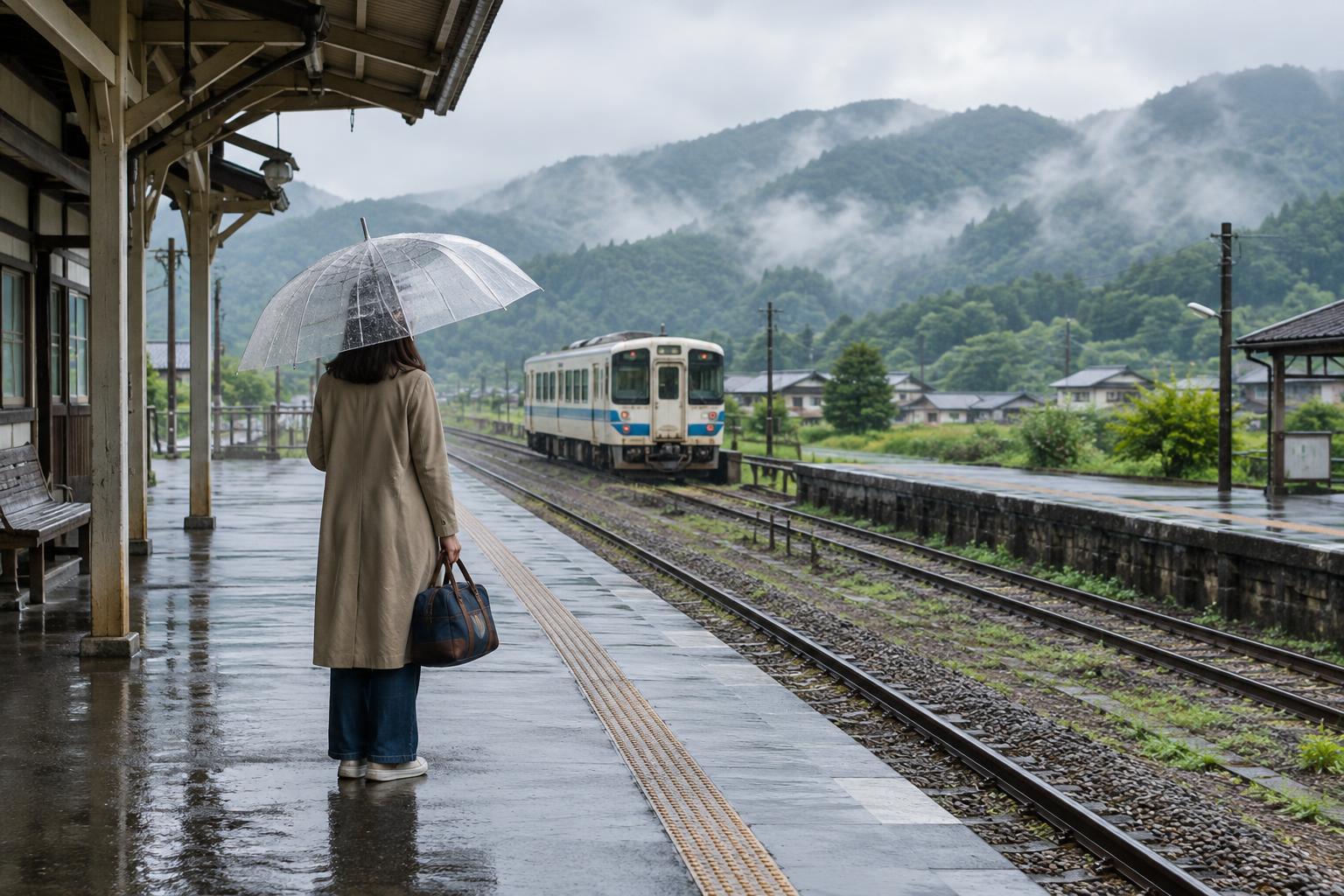
Rain may call for an umbrella and a change of shoes; severe weather calls for a different level of caution. Check local forecasts and any transport notices before setting out, particularly if your plans involve ferries, mountain areas or long connections. Follow official safety guidance when conditions are hazardous. Staying near your accommodation or postponing a journey can be the better choice.
For an ordinary wet day, keep one or two indoor possibilities in mind: a museum, a covered market, a café where lingering is welcome or a shop devoted to a craft you wanted to understand. Allow time to put away a wet umbrella where requested, and be considerate in small spaces. There is no need to fill every hour. Watching a neighborhood change in the rain can be a memorable part of the trip.
Leave room for the trip you are actually having
A useful daily plan has an anchor, such as a reservation or a journey to another city, plus flexible stops you can move or skip. Keep essential addresses and booking details accessible without depending entirely on a connection. If you are traveling with others, agree on the priority: reaching the next lodging, keeping a timed booking or simply finding a comfortable place to regroup.
Changing plans is easier when the goal is not to recover every lost minute. Ask a clear question, confirm the answer as best you can and choose a manageable next step. You may see less than you expected, but you can still travel attentively—and give the place in front of you the time it deserves.