What makes urushi distinctive
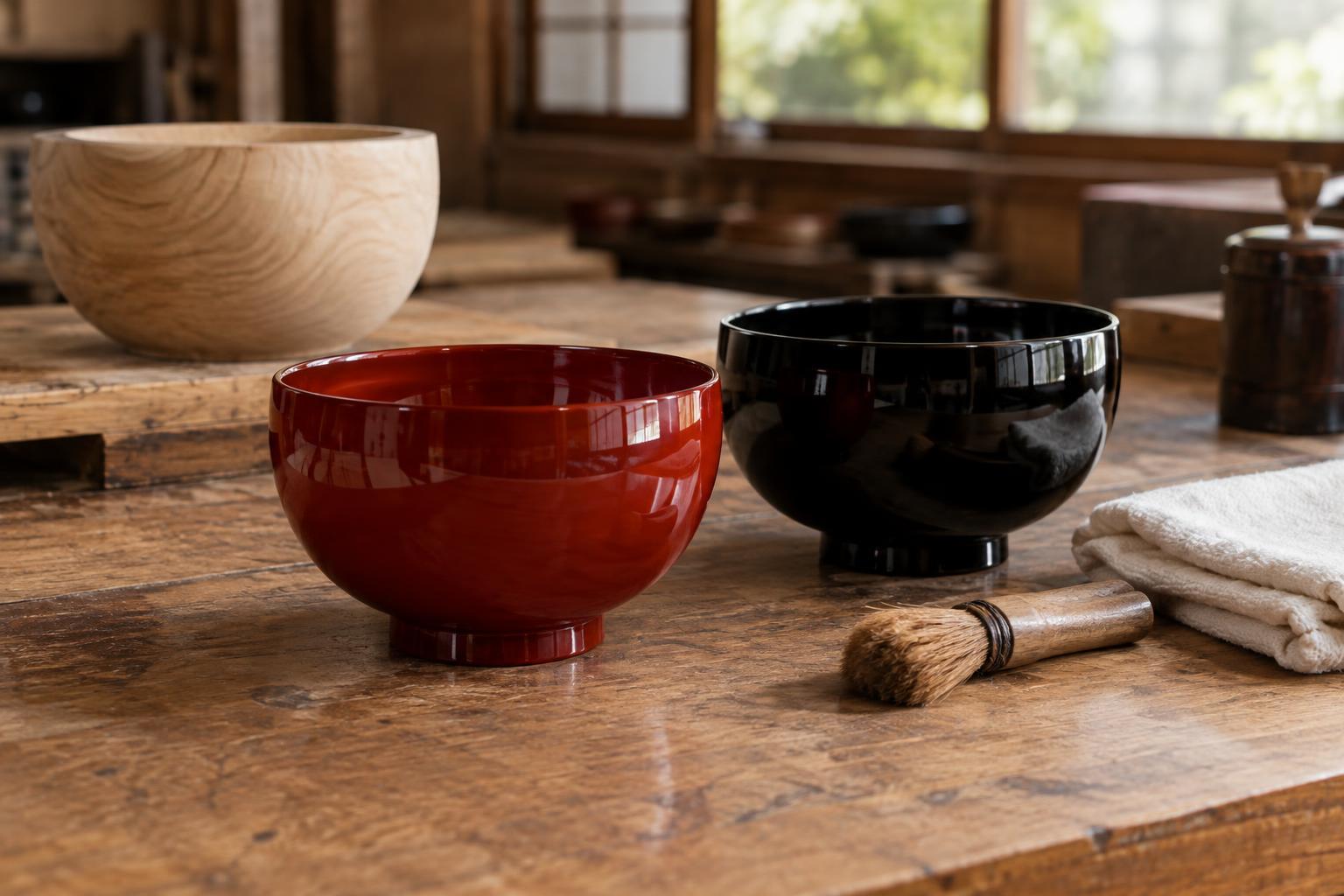
Urushi is a natural lacquer made from the sap of the lacquer tree. It has long been used in Japan to finish objects such as bowls, trays, boxes and utensils. Its appeal is not simply shine: a well-made piece can have a quiet depth of color that becomes especially noticeable when it is held and used. Lacquer also forms a protective surface, though the durability of any particular object depends on its construction and finish.
The word “lacquerware” can describe objects with different types of coating. A lacquer-like appearance does not necessarily mean a piece is finished with urushi. If the material matters to you, check the maker’s description or ask the seller. That distinction is useful for care, too: the safest guidance for a piece is the guidance supplied by the person who made it.
From prepared base to finished surface
Many urushi objects begin with a shaped base, often wood. Before the glossy coats appear, the maker prepares that base so the finish has a sound foundation. Depending on the technique, this may involve sealing the surface, reinforcing vulnerable areas with cloth, filling small irregularities and smoothing each preparatory layer. The work beneath the visible color is an important part of the finished object.
The artisan then applies thin coats of lacquer, allowing each to cure before refining the surface and adding another. Urushi does not set in quite the way ordinary paint does; its curing process needs suitable humidity. Temperature, timing and the thickness of a coat all affect how the work proceeds. Repeated application and careful smoothing help create an even finish rather than a single thick shell.
Some pieces are left plain to show the shape and sheen of the lacquer. Others incorporate pigments or decoration, such as maki-e, in which a design is formed using sprinkled metal powder. Techniques and layer counts vary widely, so there is no one recipe that describes every urushi bowl or box. The common thread is deliberate work across stages that may be invisible once the piece is complete.
Choosing and using a piece
Start by considering what the object was made to do. A serving bowl, decorative box and tea utensil may all be lacquered, but they need not tolerate the same conditions. Before putting food in a piece, confirm that it is intended for food use. For a vintage object or one with an unknown finish, it is better to ask a knowledgeable seller or maker than to guess.
For tableware intended for everyday use, ordinary serving is generally different from prolonged exposure to heat or water. Avoid treating a lacquer bowl as cookware, and do not put it in a microwave or oven. It is sensible to let very hot contents cool slightly unless the maker says otherwise. Gentle, regular use can be a pleasant way to appreciate lacquerware; preserving it does not require keeping every piece on a shelf.
A gentle washing routine
Wash lacquerware by hand with lukewarm water, a soft cloth or sponge, and a little mild dish soap when needed. Rinse away soap and food residue, then dry the piece with a soft cloth. Leaving it to sit in water, stacking it while wet or putting it through a dishwasher can put unnecessary strain on the finish or the base beneath it.
Skip scouring pads, abrasive powders and strong cleaners. Take particular care around rims and decorated areas, where rubbing against other dishes may leave marks. If you stack bowls, place a soft cloth between them when practical. For a piece with maker-provided instructions, follow those even if they differ from general advice: its materials and construction may call for a specific approach.
Storage, wear and repair
Store urushi pieces away from prolonged direct sunlight and sources of strong heat. A place with reasonably stable conditions is preferable to one that swings between dampness and dryness. If you keep a piece in a box for long periods, make sure it is clean and dry first. These modest habits help protect both the lacquer surface and, where present, its wooden base.
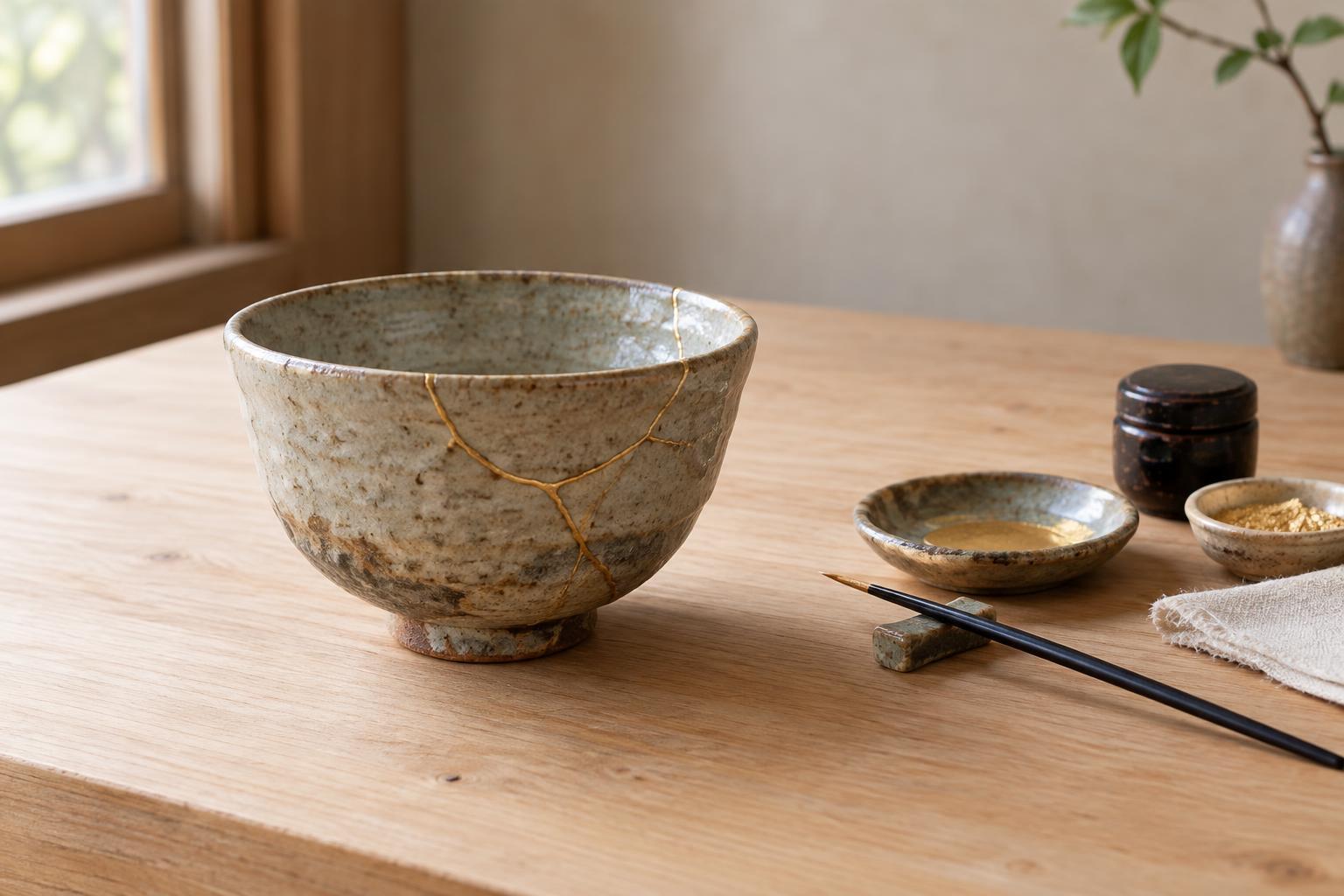
Small signs of use are not necessarily a problem, but a crack, lifting finish or exposed base deserves attention. Avoid household varnish, glue or aggressive polishing: a quick fix can make skilled repair more difficult. If the piece is valuable to you, ask its maker or a lacquerware specialist what can be done. Urushi rewards a simple approach—use it for its intended purpose, clean it gently and seek informed help when its condition changes.