Pause before you raise the camera
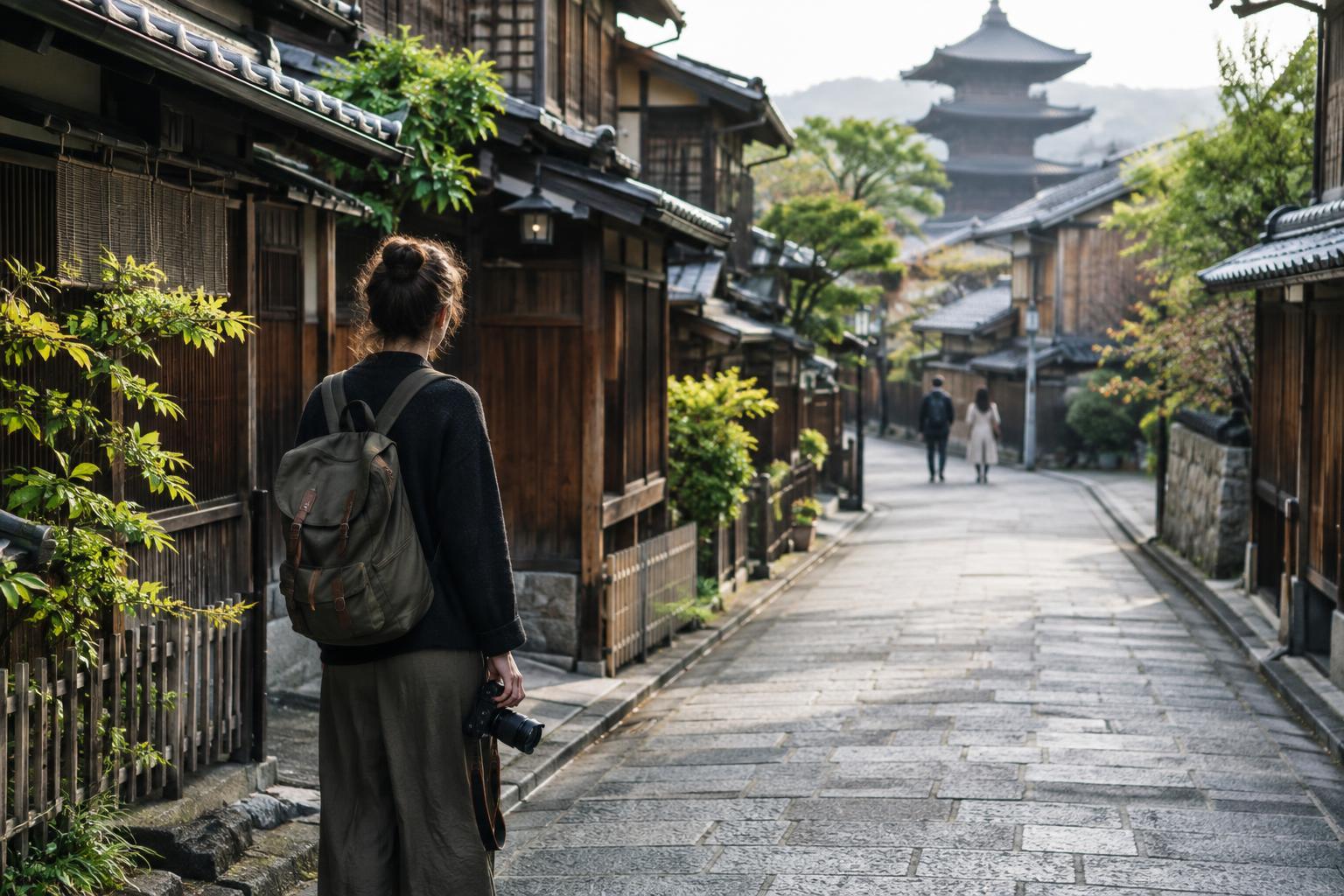
Japan offers plenty of visual invitations: a lantern outside a small restaurant, a carefully arranged shop window, or the changing light on a neighborhood street. It is easy to treat a walk as a search for images. A more thoughtful approach begins by noticing what else is happening. Is someone working, praying, eating, commuting or trying to get through a narrow passage? A photograph may be possible, but that does not always make it welcome.
Give yourself a moment to decide what the picture is really about. If it is the color of a doorway, you may be able to frame it without including the person standing beside it. If the person is the subject, consent becomes more important. This small pause often makes for a better photograph as well as a more comfortable encounter.
Treat signs and staff requests as part of the visit
Photography rules vary from place to place. A temple or shrine may welcome photographs in one area and restrict them in another. Museums, shops, restaurants, markets and performances may set their own conditions, including limits on flash, tripods, video or images of particular objects. Check signs at entrances and near the subject you want to photograph. When the guidance is unclear, ask a staff member before shooting rather than assuming that an open door means an open camera policy.
Respect the spirit of a restriction, not just its wording. A rule against flash is a reason to put the flash away, not to take the same picture with an equally disruptive light. If you are asked to stop, stop promptly and politely. You can still remember a space through a few written notes, a sketch, or simply by spending more time looking at it.
Ask for portraits, and accept the answer
For a close portrait, a photograph of someone at work, or an image that clearly singles out a person, ask first when you can. A friendly gesture toward your camera and a simple question are often clearer than taking the shot and seeking approval afterward. Give the person room to decline without explanation. If they hesitate, look away, or seem uncomfortable, lower the camera and move on.
Children call for extra care. Do not treat a public setting or a festive outfit as an invitation to photograph them. If you would like a portrait, seek permission from a parent or guardian, and be prepared to leave the camera down. The same courtesy applies to people whose work makes them highly visible to visitors: being easy to photograph is not the same as agreeing to be photographed.
Make street photographs without taking over the street
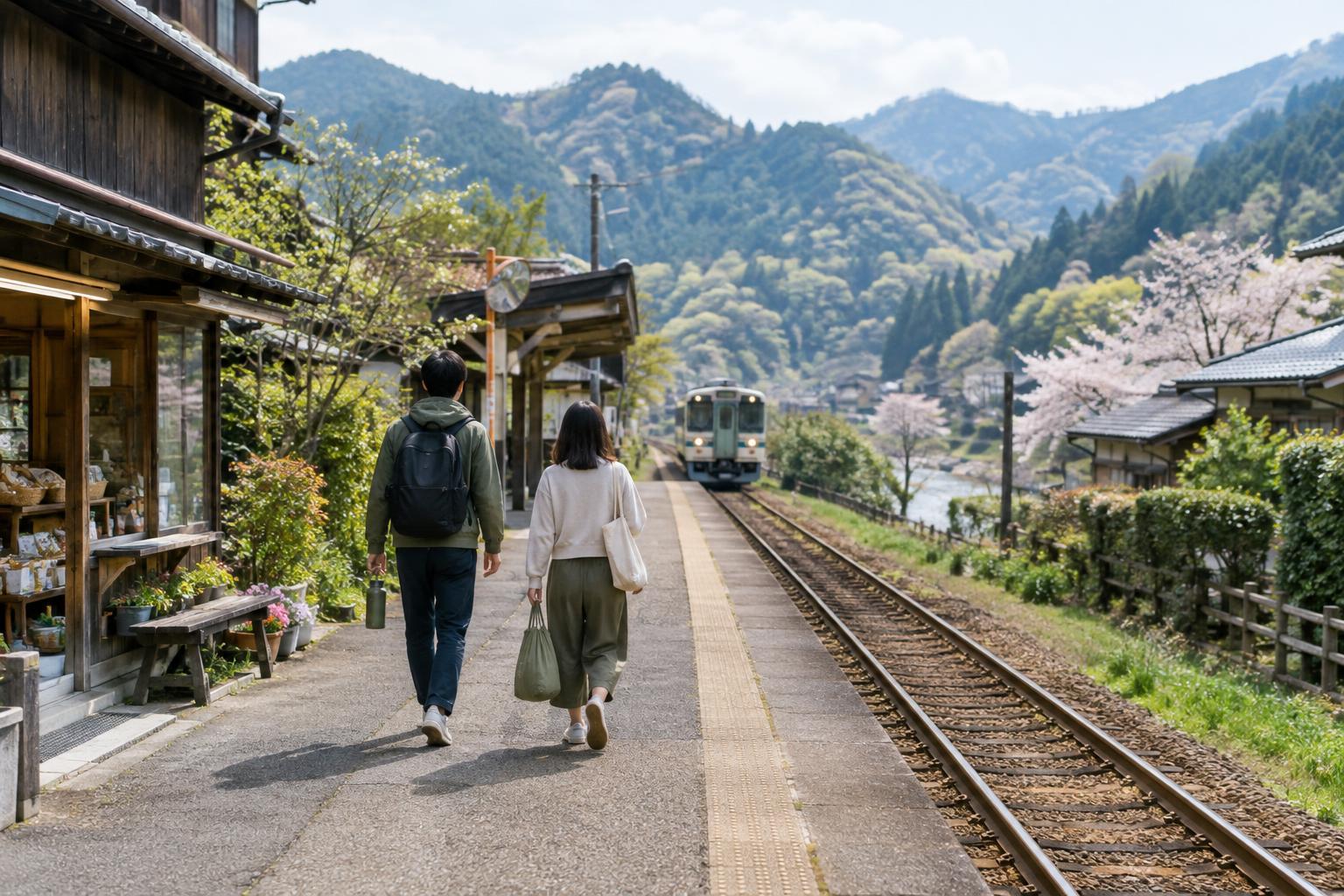
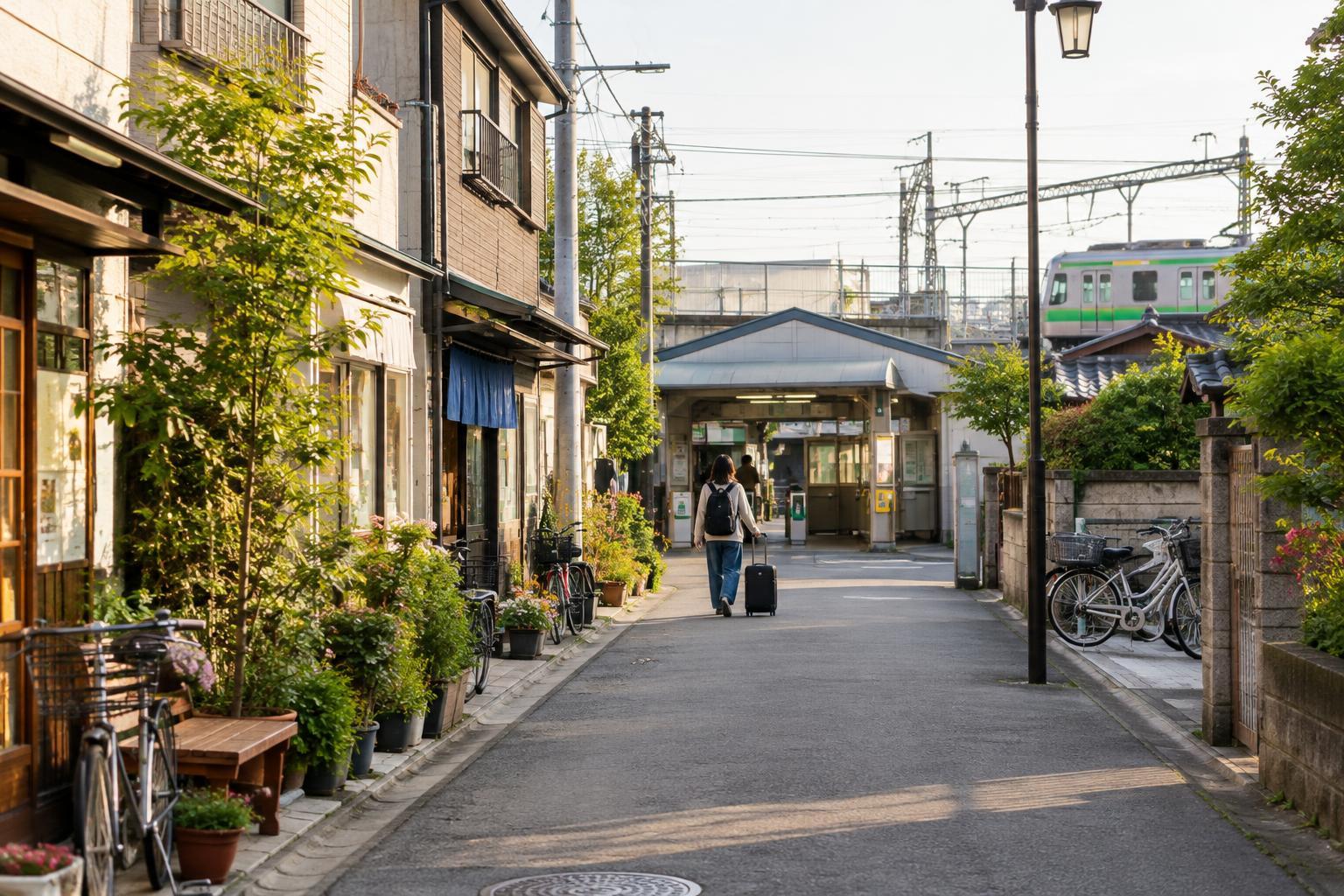
Street photography can capture the texture of everyday life without making strangers into its main attraction. Try photographing a wider scene, waiting until a walkway clears, or composing around signs, buildings and shadows. Be especially considerate in residential lanes, crowded shopping streets and on public transport, where people may have little room to avoid a lens. Do not block a path, follow someone for a picture, or linger outside a home to capture its occupants.
Think beyond the moment you press the shutter. An image kept as a private travel memory has a different reach from one posted publicly with a precise location and an identifiable person. Before sharing, look again at who appears in the frame and what the image might reveal about them. Cropping, choosing another photograph, or not posting at all may be the most respectful choice.
Let attention be the souvenir
Thoughtful photography is not a demand to put your camera away. It is a way to stay engaged with a place rather than collecting it indiscriminately. Notice the details you can photograph freely, and leave space for experiences that do not need a picture: the sound of a station in the morning, the care in a meal, or the feeling of turning onto an unfamiliar street.
When in doubt, take the slower option. Read the sign, ask the question, change the composition or let the moment pass. You may return with fewer images, but the ones you keep will be connected to a journey in which you paid attention to the people around you.