What does mingei mean?
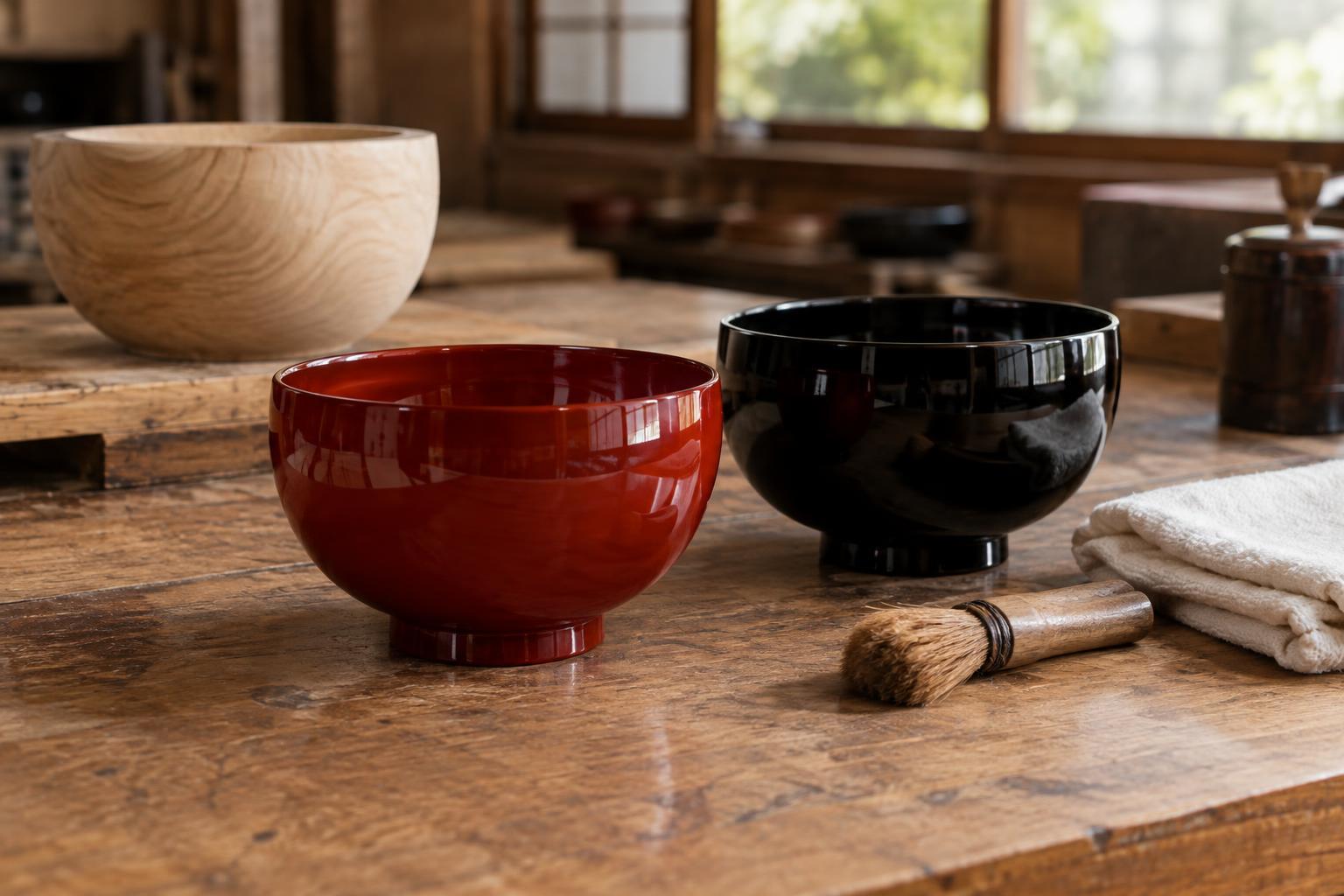
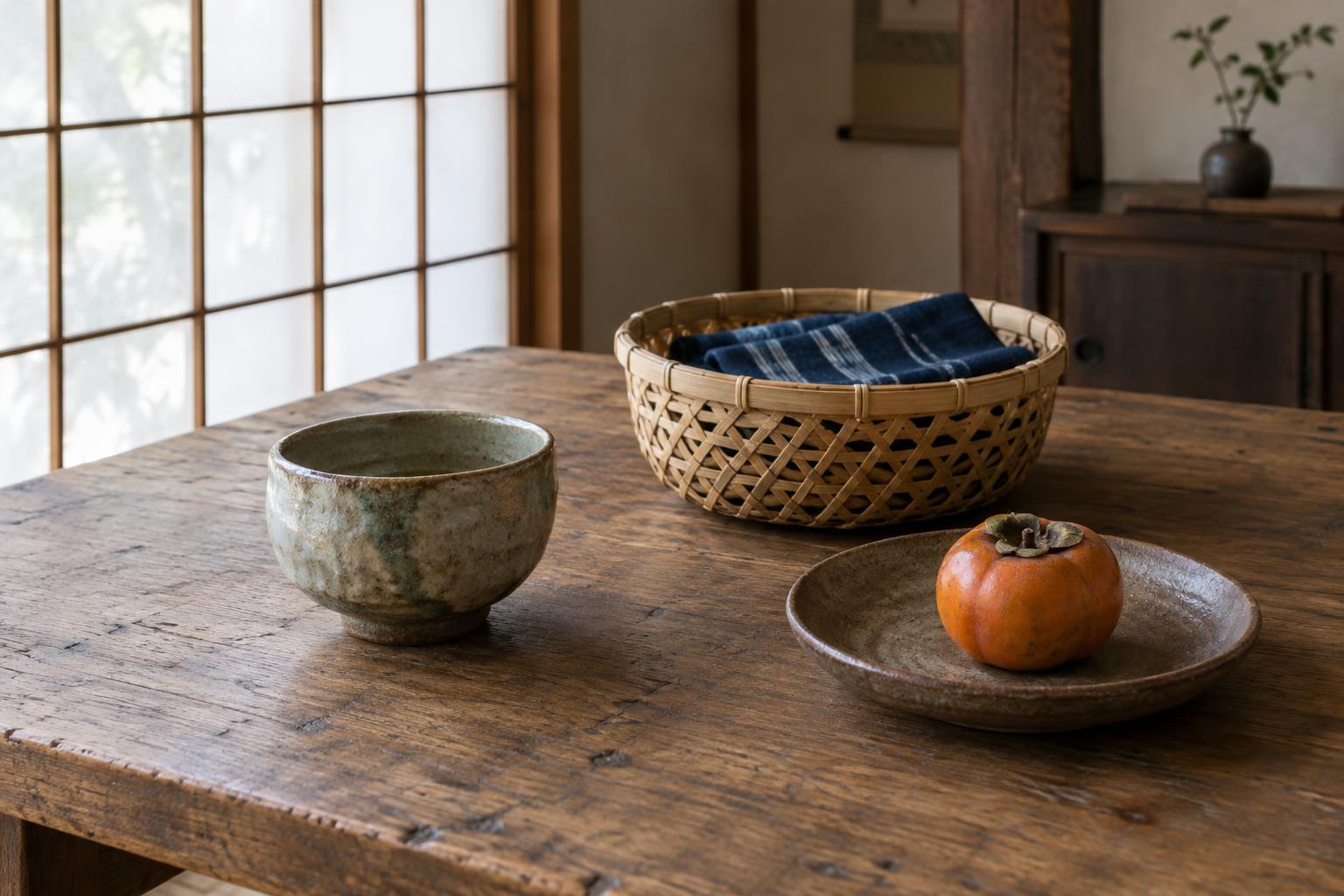
Mingei is commonly translated as “folk craft.” The word was formed from Japanese terms for “people” and “craft,” and it became associated with a movement that asked people to look again at ordinary, useful objects. A sturdy bowl, a woven basket or a piece of dyed cloth might offer as much to admire as an object made solely for display.
The movement took shape in the 1920s around the thinker Yanagi Sōetsu and makers including the potters Hamada Shōji and Kawai Kanjirō. They drew attention to work that was often overlooked because it was made for daily use rather than celebrated as fine art. Mingei was not the name of a single technique or a label for every traditional Japanese craft. It was a way of valuing certain qualities in objects and in the practices that produced them.
The beauty of use
A central mingei idea is that beauty can emerge from an object’s purpose. A cup needs to be comfortable to hold; a basket needs to carry things; a textile needs to withstand handling. When material, shape and use work well together, decoration need not be elaborate for the object to feel satisfying.
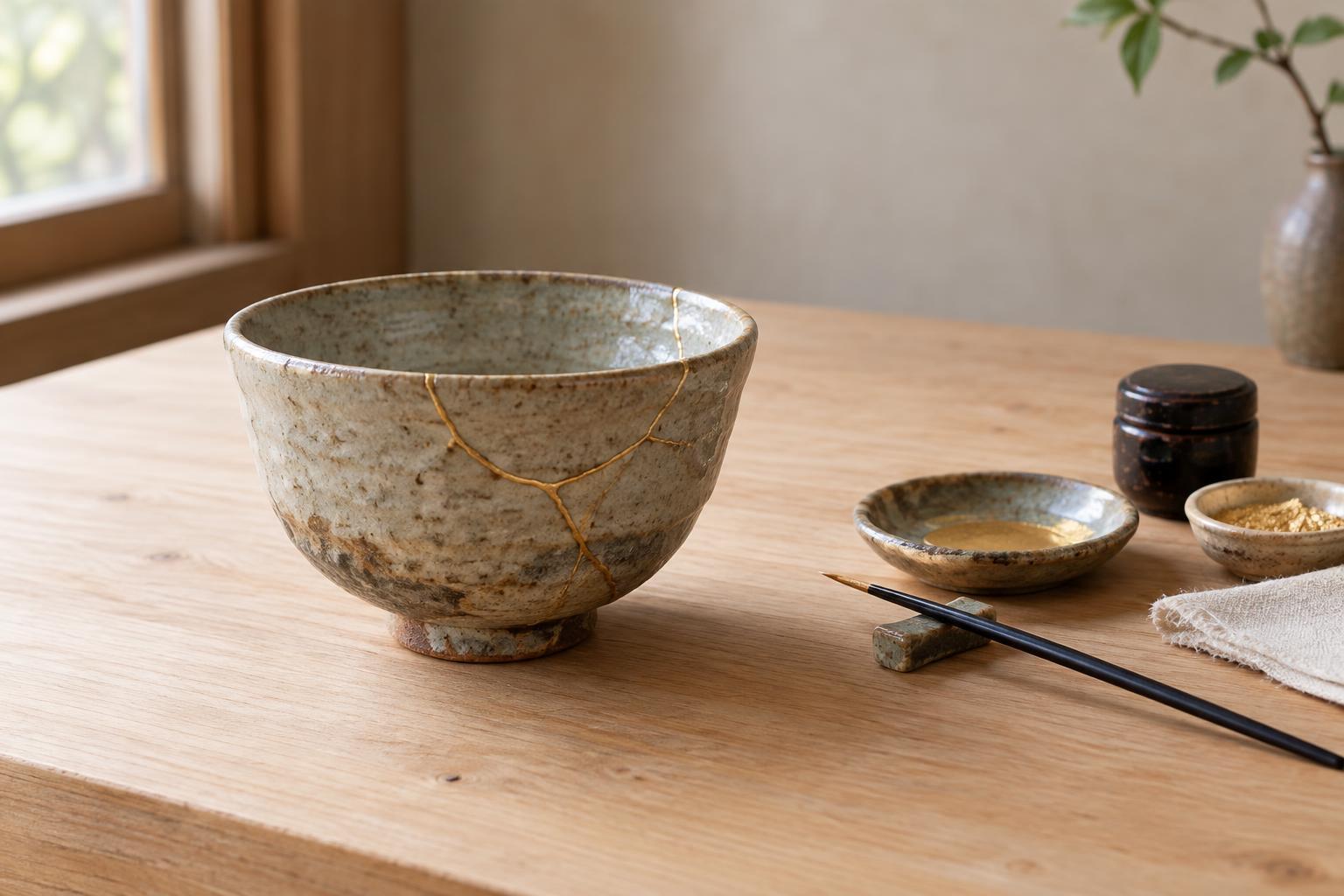
This does not mean that all mingei objects look alike. A glaze may pool unpredictably on a ceramic surface, while a woven pattern may gain its character from repetition. Local materials, established techniques and the maker’s decisions all affect the result. Nor does “useful” mean plain or dull: color and ornament can be part of an object’s pleasure. The point is to notice how it serves everyday life as well as how it appears on a shelf.
Who makes an everyday object?
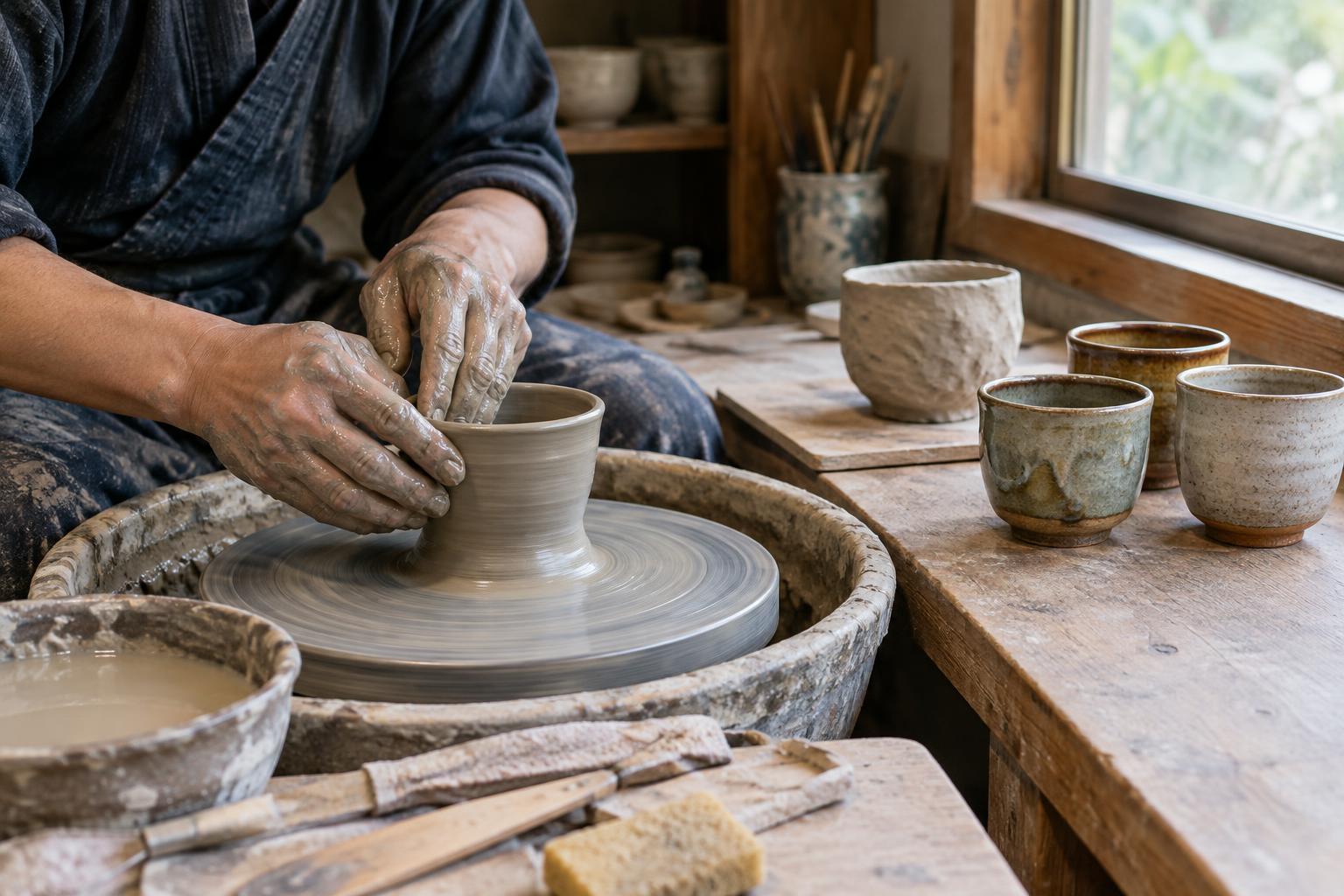
Early mingei writing often praised work made within a craft tradition, sometimes without a famous individual artist attached to it. That emphasis challenged the assumption that an object becomes valuable only when it bears a celebrated name. It also directs attention toward skills learned through practice and shared within workshops, families or communities.
Yet anonymity is not a rule for appreciating craft. Real people make these objects, and their labor, knowledge and choices matter. Some makers associated with mingei became well known themselves. Rather than treating an unsigned object as mysterious or imagining every craftsperson worked under identical conditions, it is more useful to ask what can be learned about where, how and by whom it was made. When those details are unavailable, uncertainty is better than an invented story.
Looking beyond the “mingei look”
Today, mingei can be used as shorthand for earthy colors, irregular surfaces and handmade-looking interiors. These features may be appealing, but appearance alone misses the movement’s interest in the relationship between making and use. A deliberately rough finish does not automatically make an object more thoughtful or more traditional than a smooth one.
The movement also deserves a careful reading. Its admirers selected particular objects to celebrate, and their ideals do not speak for every maker or every regional tradition. Japanese crafts are varied, and a single aesthetic cannot stand in for them all. If you encounter something described as mingei, consider the description a starting point for questions: What is the object for? What materials and skills shaped it? Does the seller share meaningful information about its maker?
Bringing the idea into daily life
You do not need to collect rare ceramics to learn from mingei. Start with an object you already use, such as a mug or kitchen cloth. Notice its weight, texture, balance and how it changes through repeated handling. What makes you reach for it? What, if anything, would you change? This kind of attention turns an abstract idea about beauty into a practical way of looking.
If you decide to buy a handmade object, choose something you have a genuine use for and can care for appropriately. Ask about its materials and care needs, and look for clear information about the maker when possible. Buying less, using objects often and repairing them when feasible can be more meaningful than assembling a room that merely resembles a craft display. Mingei’s enduring invitation is simple: give the things that support ordinary life the attention they deserve.