Settle in and get oriented
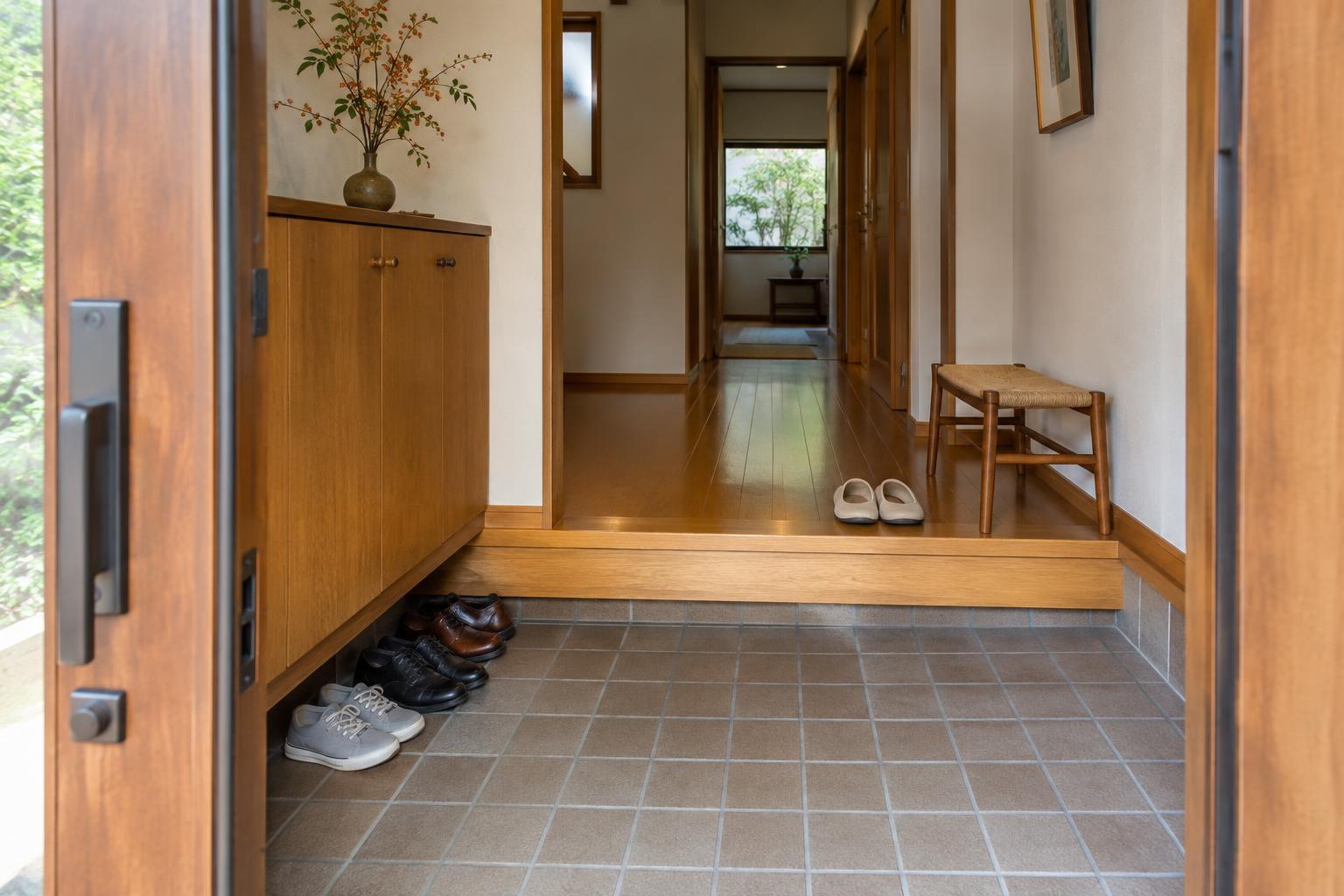
An izakaya is a casual place to enjoy drinks and food together. Some feel like lively neighborhood pubs; others are quiet rooms with carefully prepared dishes. Menus and house practices differ, so it helps to treat your first few minutes as a chance to observe. A staff member may show you to a table, ask about your group size or point you toward a place to leave shoes or coats. If you are unsure where to sit, wait to be directed.
At some izakaya, a small appetizer called otoshi arrives after you sit down. It is commonly charged to the bill rather than offered as a free sample. Whether it appears, what it contains and how charges work vary by establishment. If you have a food allergy or a dietary restriction, tell staff before eating anything brought to the table. It is also reasonable to ask about the otoshi or any seating charge when you arrive, especially if the menu does not make it clear.
Start with drinks and a few dishes
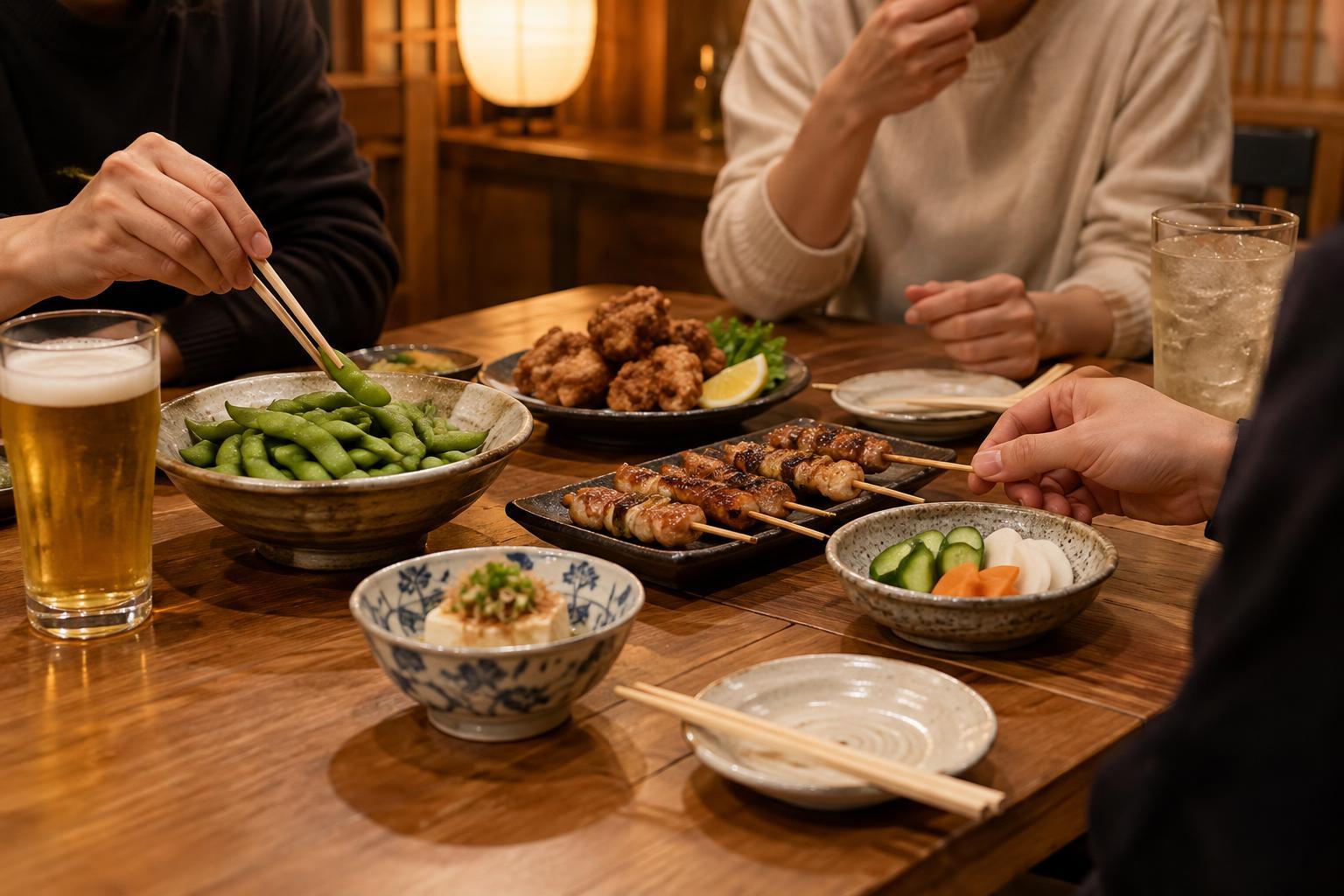
A common rhythm is to order drinks first, then choose a few plates for the table. You do not need to decide on the entire meal at once. Starting with something quick, such as edamame or a cold vegetable dish, gives everyone time to browse. Depending on the menu, later rounds might include grilled skewers, tofu, fried foods, fish or a rice dish. Many izakaya offer both familiar favorites and house specialties; asking what a dish contains is better than guessing from a name or photograph.
Drinking alcohol is not required. Tea, soft drinks and other nonalcoholic options may be available, though the selection varies. If someone offers to pour a drink or suggests a toast, joining with a nonalcoholic glass is fine. Order at a pace that suits your group and appetite. Small plates can add up quickly, and leaving space for another round makes the meal more relaxed than trying to predict every portion at the beginning.
Share plates without making assumptions
Sharing is part of the appeal of many izakaya meals, but not every dish is meant to be divided equally. A platter of skewers may be easy to distribute, while a small bowl or a single piece of grilled fish may need a quick conversation. Ask your companions what they would like before taking the last piece or ordering several plates for everyone. If someone has a dietary restriction, check whether they would prefer a separate dish.
Many tables have small individual plates. Use serving utensils when they are provided, and follow your companions’ lead if they are not. For shared food, the opposite ends of personal chopsticks are sometimes used to transfer a portion, but asking for an extra pair of chopsticks or a serving spoon can be simpler. Move a modest amount onto your own plate rather than eating directly from a communal dish. The aim is not to perform a perfect ritual; it is to make the table comfortable for everyone.
Keep ordering simple
Menus may be printed, posted on walls or offered through a tablet or QR code. An English menu is helpful when available, but photographs and translation tools cannot always explain ingredients or preparation. If you have a serious allergy, do not rely on a translated label alone: ask staff directly whether a dish is suitable, and be prepared to choose something else if they cannot confirm. Broths, sauces and garnishes can matter as much as the main ingredient.
To get someone’s attention, a polite sumimasen (“excuse me”) works in many settings; some tables have a call button instead. You can point to a menu item and show the quantity with your fingers if speaking is difficult. Ordering another round as dishes arrive is normal, but check with the group before adding food near the end of the meal. This is also a good moment to see whether anyone wants a filling final dish, such as noodles or rice.
Finish and pay with ease
When you are ready to leave, ask for the bill or take the bill slip to the register if that appears to be the house system. Payment practices differ: a place may accept cards, prefer cash or ask the group to pay as one bill. If you hope to split the total into separate payments, ask before the bill is processed rather than assuming it is possible. Friends often work out their shares among themselves.
Tipping is generally not expected at izakaya. A clear thank-you to the staff is enough. Before leaving, check for belongings tucked beside the table or under a seat, and make sure everyone has finished any food they ordered. Izakaya dining works best when approached with curiosity and consideration: choose a few dishes, share what is welcome, ask when you are uncertain and let the evening unfold one round at a time.