Start with the object and its intended use
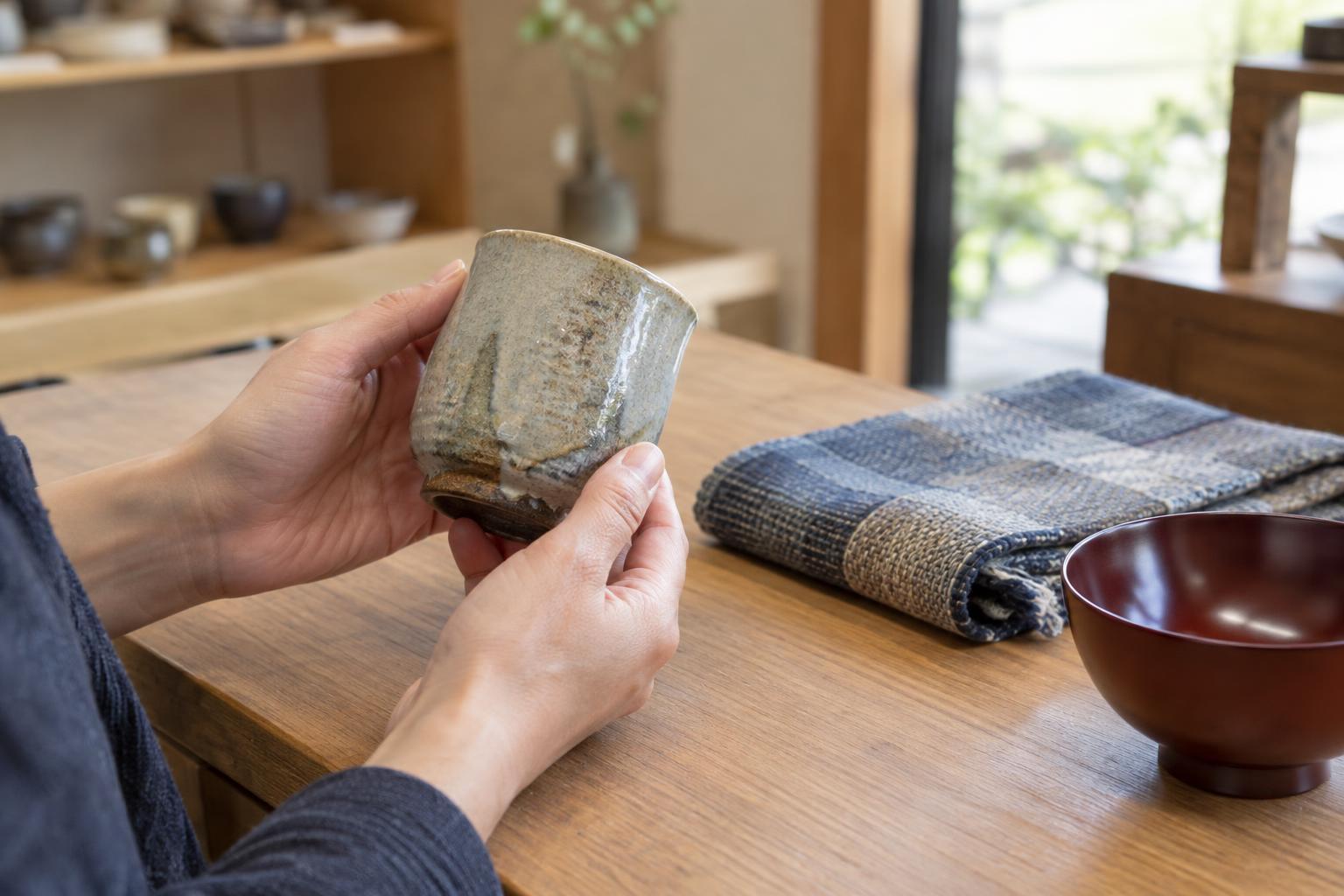
Before comparing prices or looking for a famous name, decide what you want the object to do. A cup used every morning has different requirements from a vessel displayed on a shelf. A textile intended for a table needs to tolerate different handling from one hung on a wall. This simple question helps you judge whether a craft is right for you, rather than whether it meets an abstract idea of authenticity.
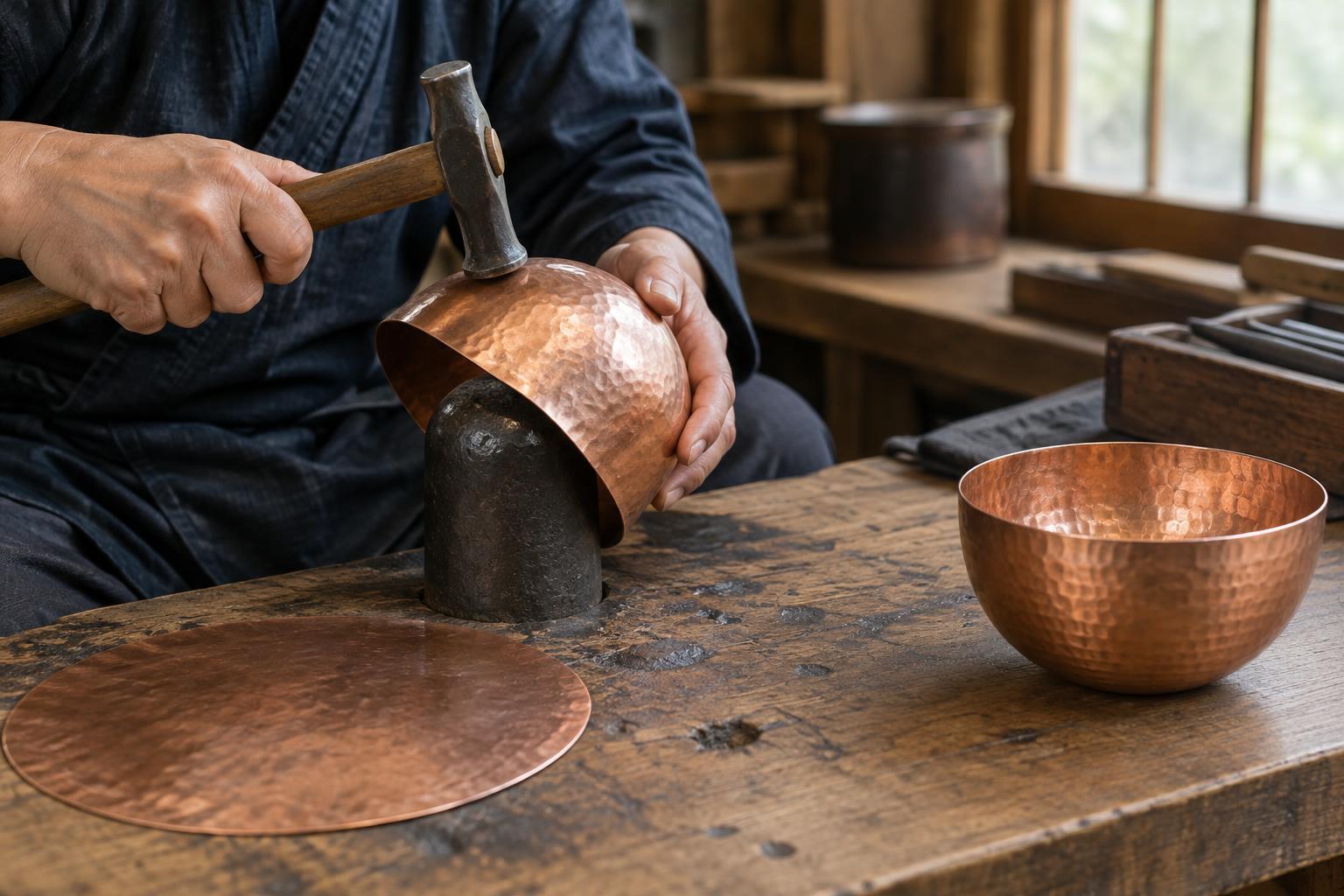
Japanese crafts encompass many materials, techniques and ways of working, from individual studio pieces to goods produced by small workshops. Handmade does not always mean that every step was done by one person, and a workshop-made object can still show considerable skill. Look closely at shape, finish and how the object feels in the hand. If shopping online, seek clear photographs from several angles, dimensions and a description of its weight or texture.
Understand what the materials ask of you
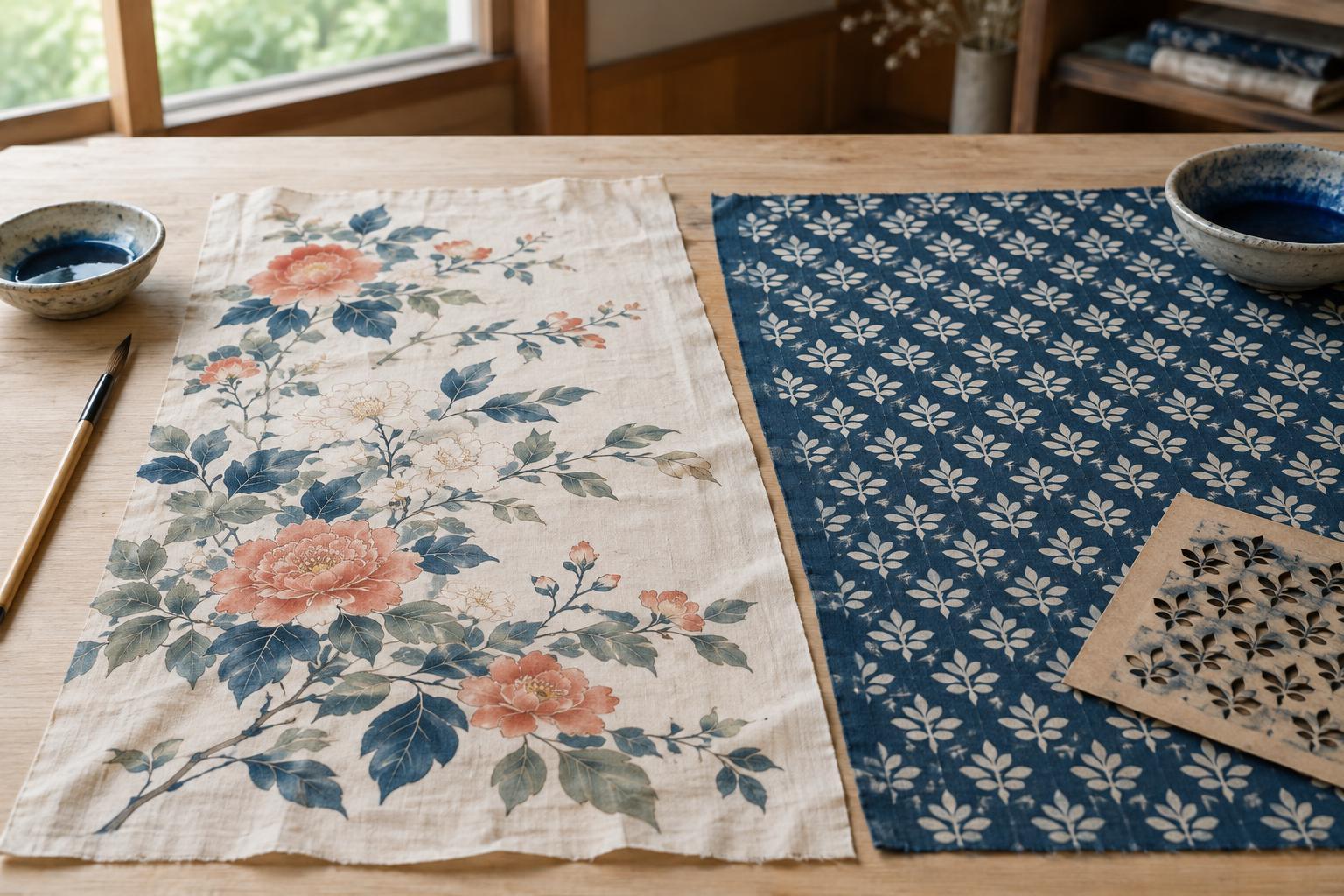
Material descriptions should help you picture both the object and its care. With ceramics, ask whether a piece is glazed or unglazed and whether the seller considers it suitable for food or drink. With textiles, look for the fiber content and note whether color or weave may change with washing. Wood can respond to moisture and dry air, while lacquered surfaces often call for gentle cleaning and protection from prolonged heat or abrasion. Care needs vary by object, so follow guidance specific to the piece.
A useful listing names materials precisely where possible instead of relying only on words such as “natural” or “traditional.” If a finish, coating or repair is not explained, ask. The answer may affect how you use the object. An older bowl with an attractive surface, for example, is not necessarily a good choice for serving food. It is reasonable to choose a decorative role when suitability for everyday use cannot be established.
Look for maker information without demanding a perfect story
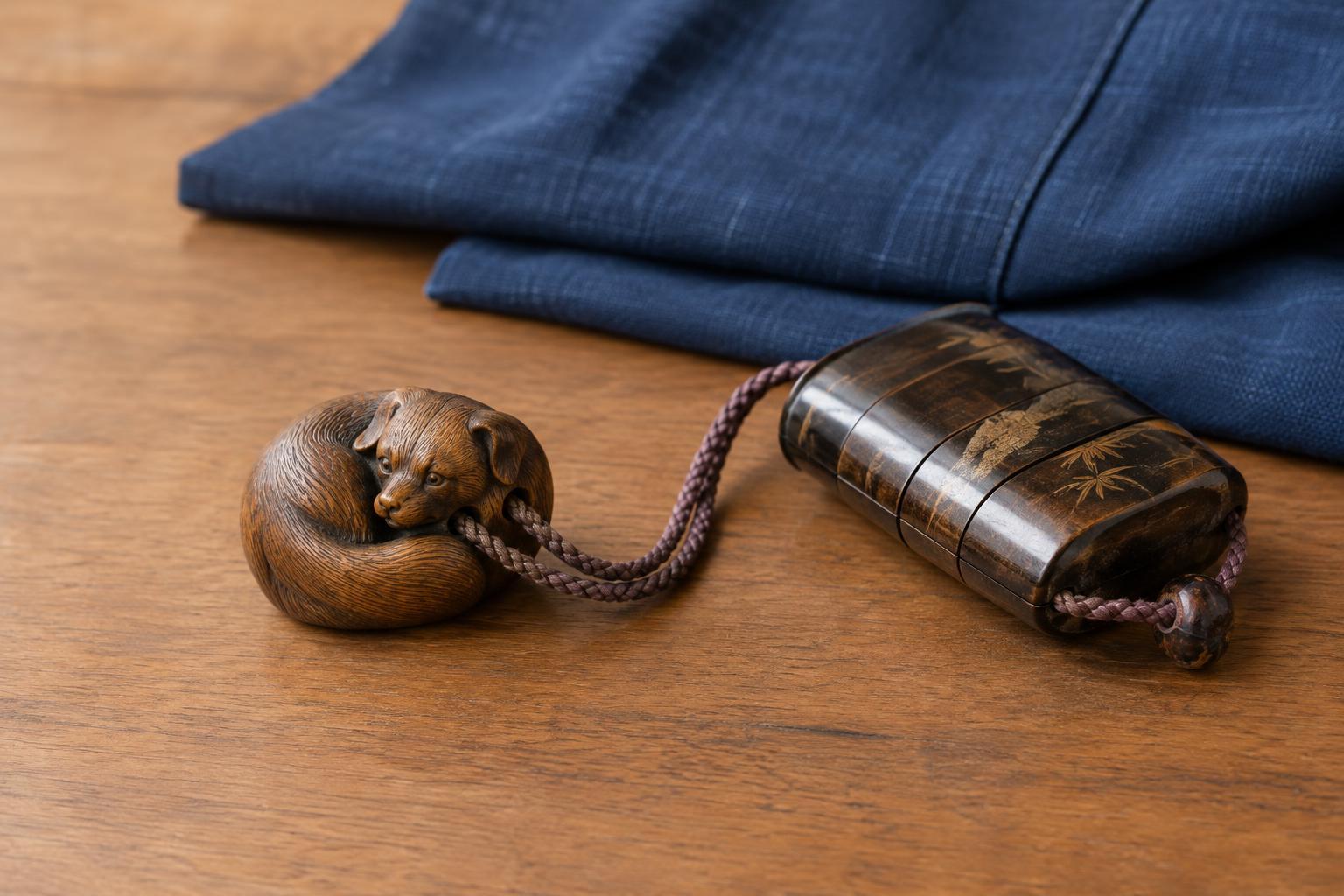
Helpful maker information might include the maker’s name, workshop or region, the technique used and whether the item is new or previously owned. These details offer context and can make it easier to care for a piece. They also give you a way to distinguish a named maker’s work from an object merely described as “Japanese style.” A signature, stamp or label is worth documenting, but it may not tell the whole story on its own.
Not every worthwhile craft comes with a complete biography or certificate. Older objects can lose their labels, and some workshops sell through shops rather than directly under an individual maker’s name. Treat gaps as questions to clarify, not automatic proof of a problem. A seller who clearly separates what they know from what they cannot verify is more useful than one who supplies an elaborate but unsupported account. If origin matters to your decision, ask what evidence supports the description.
Assess condition with use in mind
Condition is more than a choice between flawless and damaged. On ceramics, look for chips at the rim and foot, cracks, unstable repairs and areas where a glaze has worn away. On textiles, check for stains, thinning fibers, loose seams and fading that may differ across the surface. On wood or lacquerware, examine joints, peeling finishes and places where moisture may have affected the material. Wear may be acceptable on a display piece but inconvenient or unsafe for an object you plan to handle frequently.
Photographs do not always reveal depth or stability. For a secondhand purchase, request close-ups of any marks mentioned in the listing and ask whether the object sits evenly, closes properly or has been repaired. A visible repair need not erase an object’s appeal; it should, however, be described clearly enough that you can judge its effect on use and price. Keep the distinction between an intentional feature of the making process and later damage open until you have enough information.
Make a considered purchase
Compare objects using the same practical questions: What is it made from? Who made or supplied it, and what is actually known about its origin? What condition is it in? How should it be cared for? Also consider whether the dimensions, return policy and shipping method suit the purchase. Fragile ceramics and delicate surfaces benefit from careful packing, while clear measurements can prevent disappointment with objects whose scale is hard to judge in a photograph.
Thoughtful buying does not require you to become an expert before choosing something you love. It means allowing room for both appreciation and scrutiny. An object with modest documentation may still be a good purchase if its description is honest, its condition fits your plans and its price feels appropriate to you. Taking time to ask specific questions supports a more lasting relationship with the craft you bring home.