Start with the kind of trip you want
The best time to visit Japan depends less on a single forecast than on what you hope to do. A city-focused trip can work in any season, while a mountain walk, beach stay or snow holiday needs more careful timing. Japan also spans a wide range of climates: conditions in Hokkaido can differ sharply from those in Okinawa, and higher elevations can feel unlike nearby cities.
Crowds and prices do not move together everywhere. Demand often rises around blossom-viewing areas, popular autumn-color destinations, major holiday periods and ski resorts in season. Transport and accommodation may be harder to book at those times, but a different region or a weekday itinerary can change the picture. Think of seasonal advice as a starting point, then check conditions and availability for the places you actually plan to visit.
Spring: mild days and popular blossoms
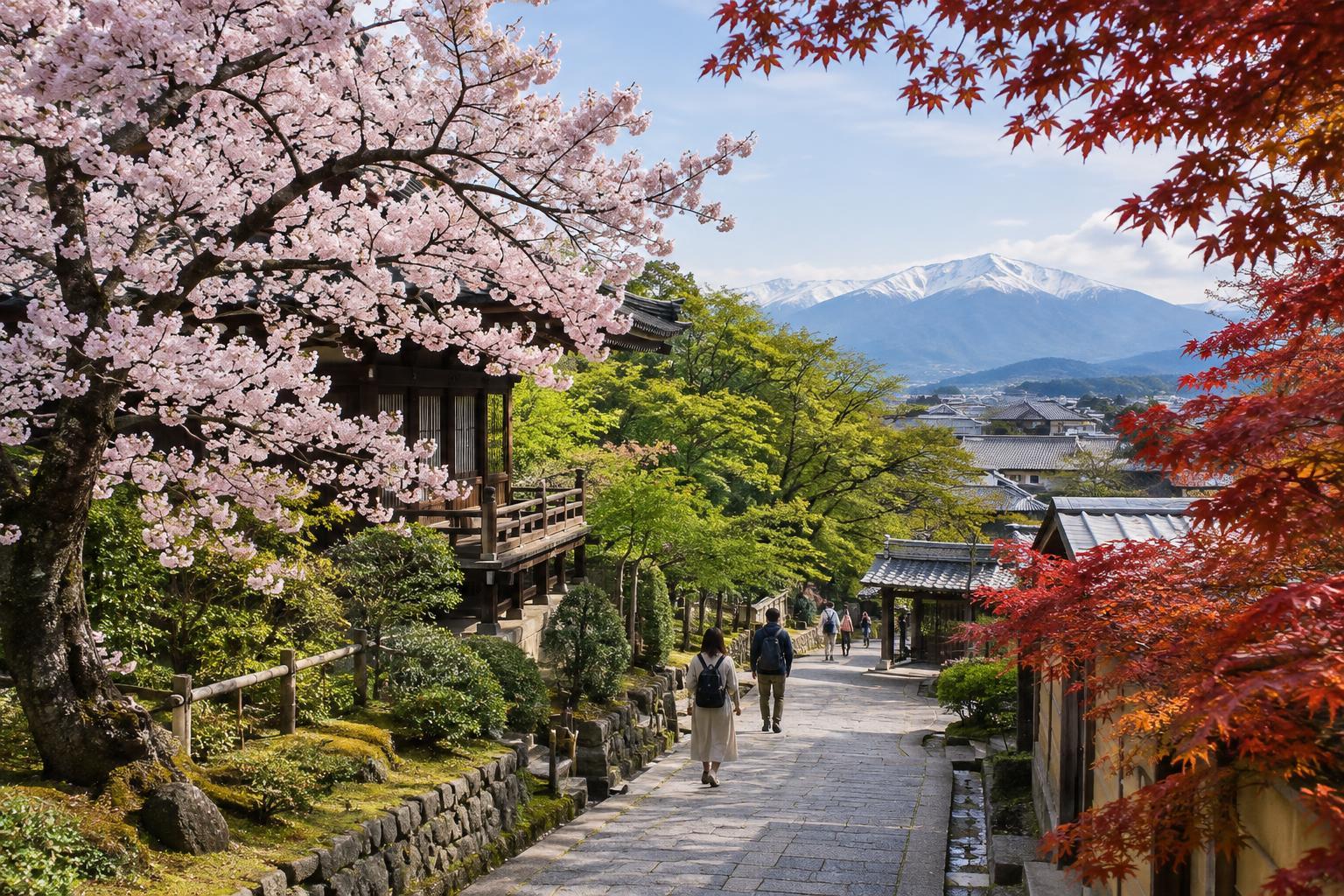
Spring appeals to travelers who want comfortable walking weather, gardens and changing landscapes. Early spring can still feel chilly, especially farther north or in the mountains. Cherry blossoms usually appear earlier in warmer areas and later in cooler ones, but their timing varies from year to year. If seeing them matters to you, plan for several possible viewing spots rather than building a whole trip around one tree-lined street.
Famous blossom locations can be crowded, and rooms in sought-after areas may cost more or fill early when demand is high. Japan’s Golden Week holiday period, spanning late April and early May, also tends to bring heavy domestic travel. For a quieter spring visit, consider less prominent neighborhoods, smaller gardens or a destination where blossoms are only one part of the itinerary. Be ready to enjoy whatever is in season when you arrive.
Summer: long days, greenery and heat
Summer offers lush scenery and opportunities to experience local festivals, but heat and humidity can make a packed sightseeing schedule tiring in many cities. A rainy period affects much of the country in early summer, though its timing and intensity vary by region. Later in the season, tropical storms can disrupt plans, particularly where flights or ferries are involved. None of this rules out a summer trip; it makes flexible pacing and backup indoor activities more valuable.
School breaks, festivals and the Obon holiday period can increase demand on particular routes and in resort areas. Costs may rise where visitors are competing for limited rooms, while other destinations may have more options. If you prefer cooler days, look into northern areas or higher elevations, while checking local conditions rather than assuming they will be cool throughout. In towns hosting festivals, respect barriers and residents’ space, and carry any litter until you find a place to dispose of it.
Autumn: comfortable exploring and changing leaves
Autumn is often a good match for travelers who want to spend long days on foot. Temperatures generally ease after summer, although early autumn can still be warm and storms remain a consideration. Leaves change color at different times according to latitude, elevation and the year’s weather. A northern or mountain destination may look autumnal while a southern city is still largely green.
Popular temples, parks and scenic routes can become busy when the leaves are at their most colorful. Accommodation near well-known viewing areas may be less flexible or more expensive during those periods. To keep the trip relaxed, choose a few places you genuinely want to explore instead of chasing a predicted peak from city to city. Streets, riversides and ordinary neighborhood parks can be rewarding even when their colors are subtle.
Winter: quieter cities and snow destinations
Winter can suit travelers drawn to crisp air, seasonal food and shorter sightseeing days. Many major cities are comparatively dry and manageable with warm layers, while northern Japan and mountain areas can receive substantial snow. Those differences matter for packing and transport: a city itinerary calls for a different approach from a ski trip or a journey through snowy rural areas.
Outside major holiday periods, some city stays may offer better value than visits during the most sought-after spring or autumn weeks. Ski areas, however, can be busy and costly when snow conditions attract visitors. Travel around the New Year holiday period may also require earlier booking. Check opening arrangements for the specific museums, restaurants and small businesses you hope to visit, and allow extra time when winter weather could affect connections.
Choose a season, then build in flexibility
If mild weather is your priority, start by considering spring or autumn and accept that their signature sights draw company. If you enjoy festivals and do not mind heat, summer may be worth the trade-off. For snow, winter is the clear choice—but a winter city break need not revolve around skiing. Travelers with flexible dates can compare several weeks and regions instead of treating an entire season as uniformly cheap or crowded.
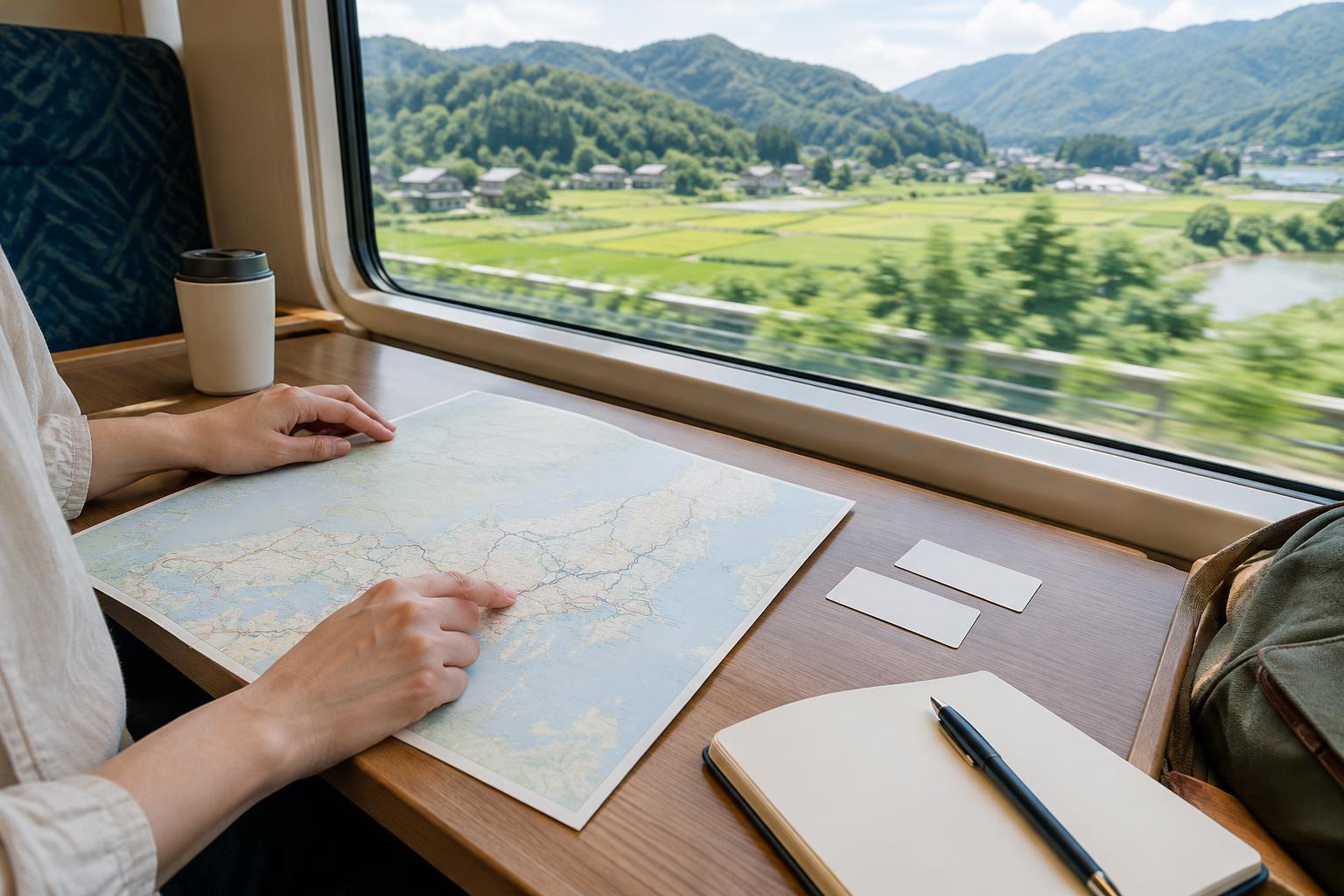
Before booking, look at typical conditions for each stop, note major holidays and check transport and lodging options for your dates. Leave some unplanned time for rain, a slower meal or a neighborhood you discover along the way. A thoughtful Japan trip is not necessarily the one that catches every seasonal highlight; it is the one whose pace lets you appreciate where you are.