What an IC card does
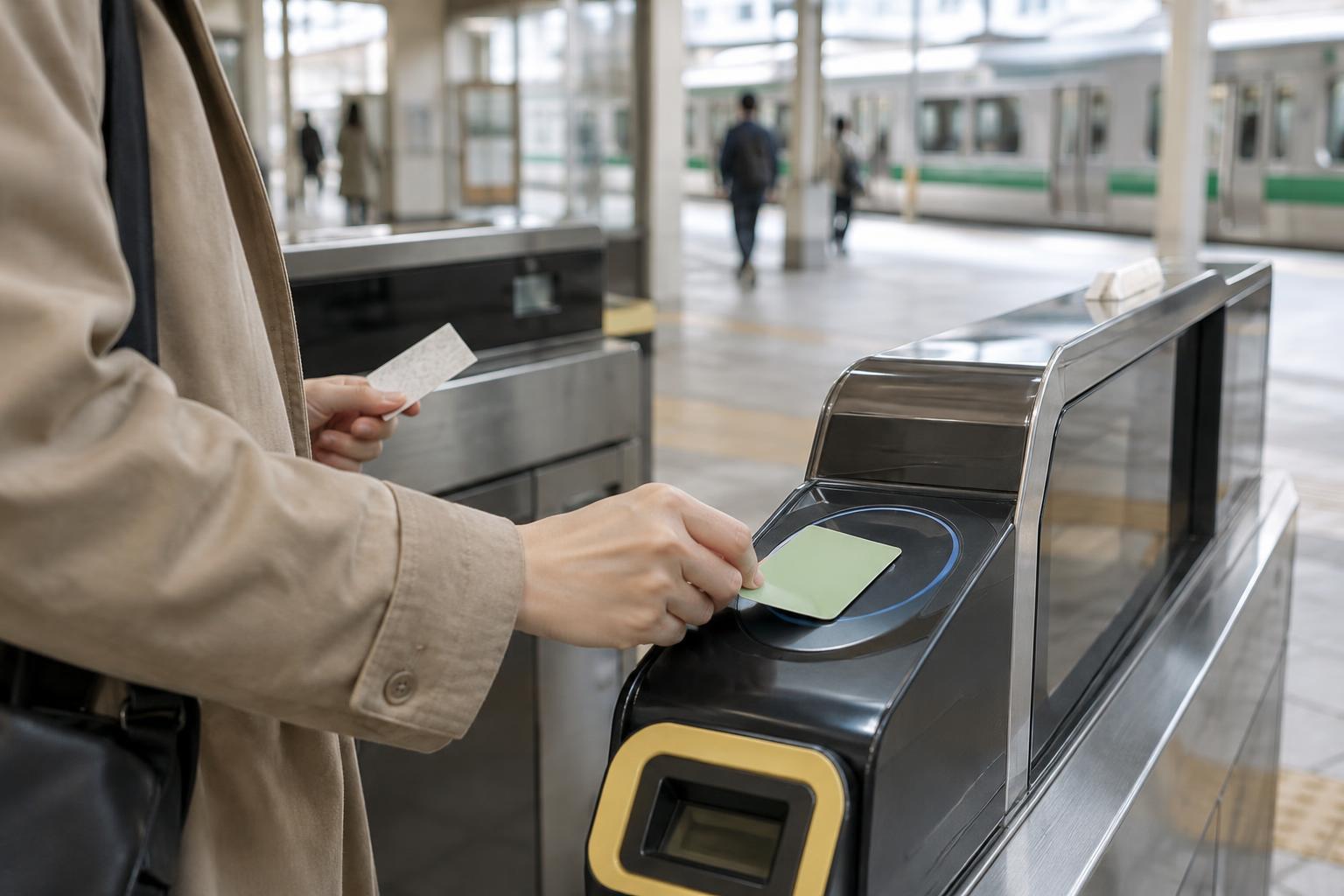
An IC card is a rechargeable card used to pay fares by touching a reader. On a typical local train journey, you tap at the entrance gate and again at the exit. The system calculates the fare and deducts it from your balance. Many cards can also pay for buses and small purchases at participating shops or vending machines. Physical cards and phone-based versions serve much the same purpose, though availability and setup differ.
For a visitor, the chief appeal is convenience: you need not work out the fare before every short ride. Japan has several regional IC card brands, and major systems accept one another’s cards across many participating services. That does not mean every train, bus or station accepts every card. Think of an IC card as a widely useful payment method, not a pass that grants access to all transport.
Where tapping usually works
IC cards are especially useful for ordinary travel within major urban areas. Look for the card logos at station gates or on a bus’s fare reader. Where the service accepts your card, a local or rapid train ride usually requires no paper ticket: tap in, travel, then tap out. Keep the same card or device handy for both taps, even if you have several cards in your wallet.
Bus procedures vary. Some ask you to tap when boarding and again when leaving; others collect a flat fare with a single tap. Follow the signs or watch which reader passengers use. On a trip with a changing fare, failing to tap at the required point can make it difficult for the system to calculate what you owe. If you are unsure, ask the driver before moving away from the door.
Beyond transport, an IC logo at a checkout often indicates that you can pay from the card’s stored balance. This is separate from whether a nearby railway accepts the card. A shop purchase also will not record the entry or exit needed for a train journey.
When you still need a ticket or another payment method
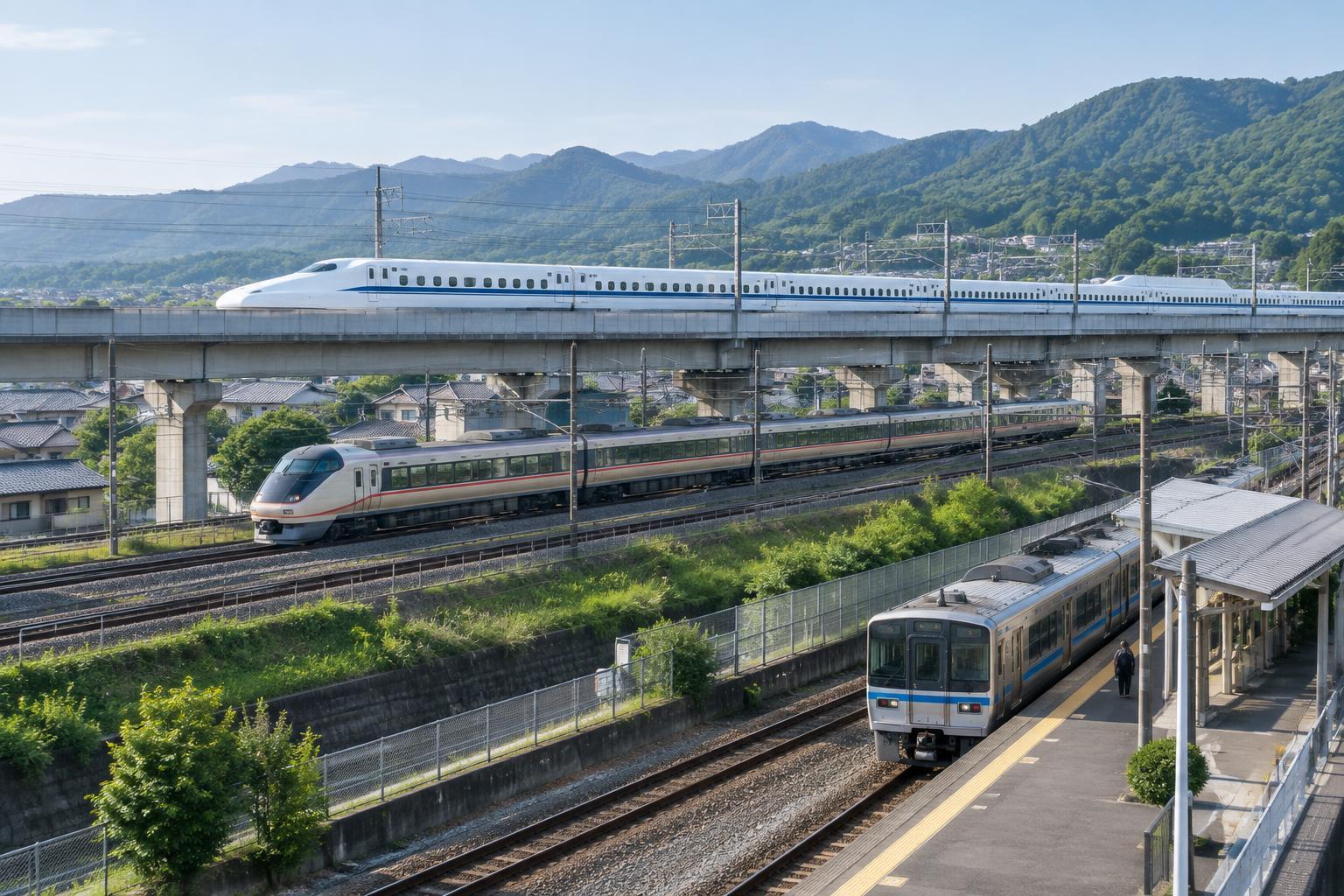
The most important distinction is between a basic fare and the extra charge for a particular train. A standard IC tap may cover the basic fare on an eligible route, but a limited express or reserved-seat service can require a separate supplement or seat reservation. Rules differ by operator and train. Check the service details before boarding rather than assuming that an open gate means your card covers everything.
Shinkansen journeys generally require a Shinkansen ticket or booking. Some booking services let you associate a reservation with an IC card and use that card at the gate, but the stored balance on the card is not, by itself, your Shinkansen ticket. If you have booked that way, confirm that the correct card or device is linked to the reservation.
An IC card may also be unsuitable for a long journey that crosses from one IC service area into another, even when both ends have card readers. Not all systems can calculate a single tapped fare across their boundaries. Rural railways, some buses and other local transport may not accept cards at all. For an unfamiliar route, especially one involving multiple operators, check the route’s ticket guidance before setting out. A paper ticket bought in advance can be the simpler choice.
Avoiding gate and balance problems
Before entering, check that your card has enough value for the trip and that the gate displays a successful tap. If your balance is too low when you leave, a fare-adjustment machine or station staff can usually help you settle the difference. Top-up methods vary by card and location; carrying some cash gives you a useful fallback where a machine does not accept your preferred payment card.
If a gate refuses your card, do not repeatedly try a different gate. An incomplete entry or exit record may need attention from staff, who can check the journey and tell you what to pay. The same applies if you tapped in with one card and are trying to leave with another. Keeping a physical card out of a crowded wallet can help prevent the reader from detecting the wrong one.
A simple plan for each journey
For everyday city travel, start by checking for your card’s logo, then tap as directed and retain the card until you have left the station or bus. For a limited express, reserved seat or Shinkansen, check what ticket or supplement is required before boarding. For travel across regions or onto a small local service, verify that a tapped journey is permitted end to end; if it is not, buy the appropriate ticket.
It is worth allowing a little extra time at the start of an unfamiliar journey. A moment spent reading the gate signs or speaking to station staff is easier than resolving an incomplete fare later. Used with that small habit of checking, an IC card takes much of the friction out of daily travel while leaving room for the journeys that still call for a ticket.