Start with fewer places, not more sacrifices
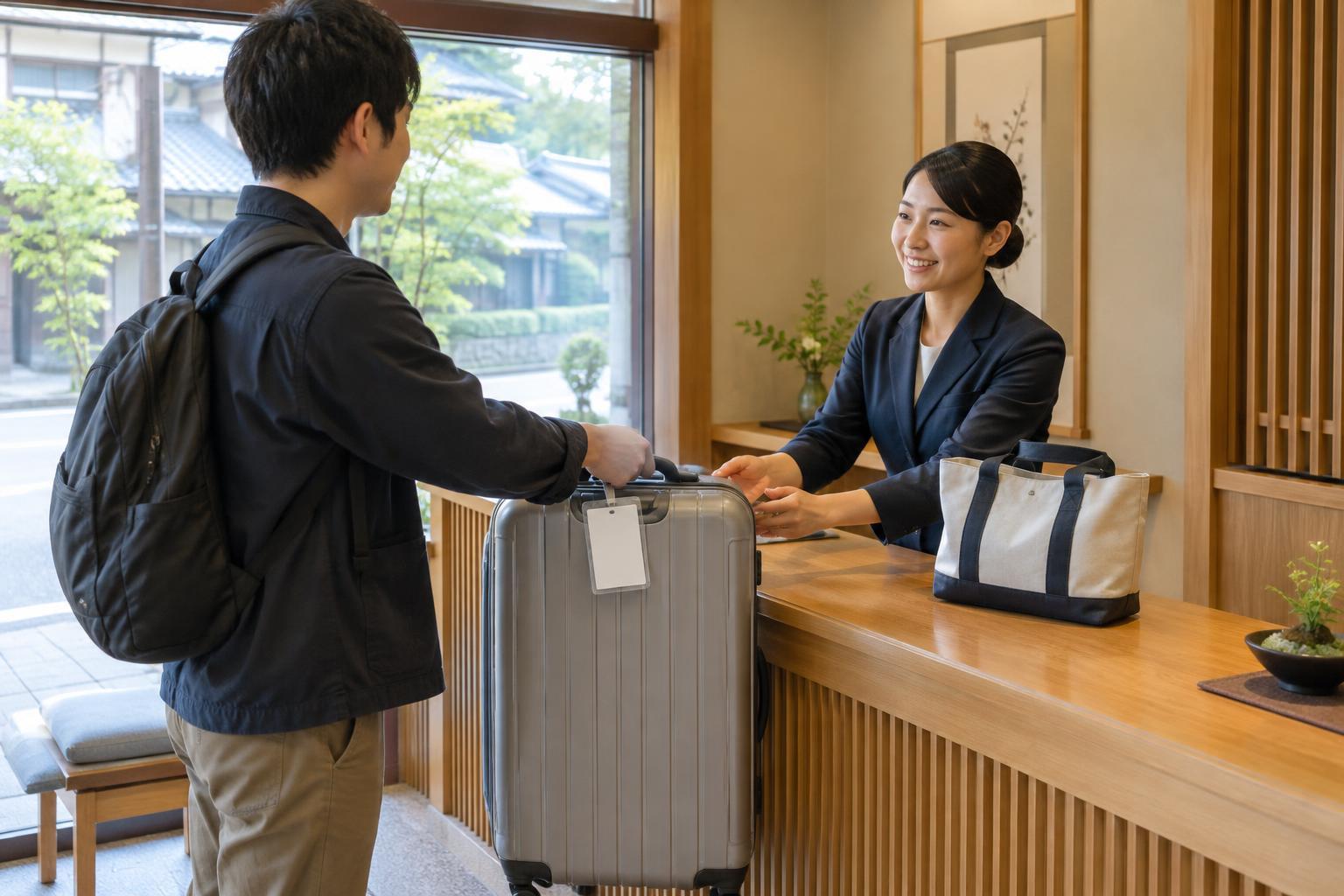
A packed itinerary can make a budget trip surprisingly expensive. Moving between distant cities adds transport costs, while frequent checkouts can leave you paying for lockers, luggage delivery or a room chosen mainly for convenience. Start by choosing the experiences that matter most to you: perhaps a particular craft tradition, a food you hope to try, or time to walk in a neighborhood that interests you. Then look for a route that lets you enjoy those interests from a small number of bases.
Staying several nights in one place also gives you permission to have an unplanned morning. You can return to a market, explore a side street or rest when you need to, rather than treating every hour as something to fill. A day with fewer paid attractions is not a failed travel day. It may be the day when a city begins to feel less like a checklist.
Compare transport for the journey you will actually take
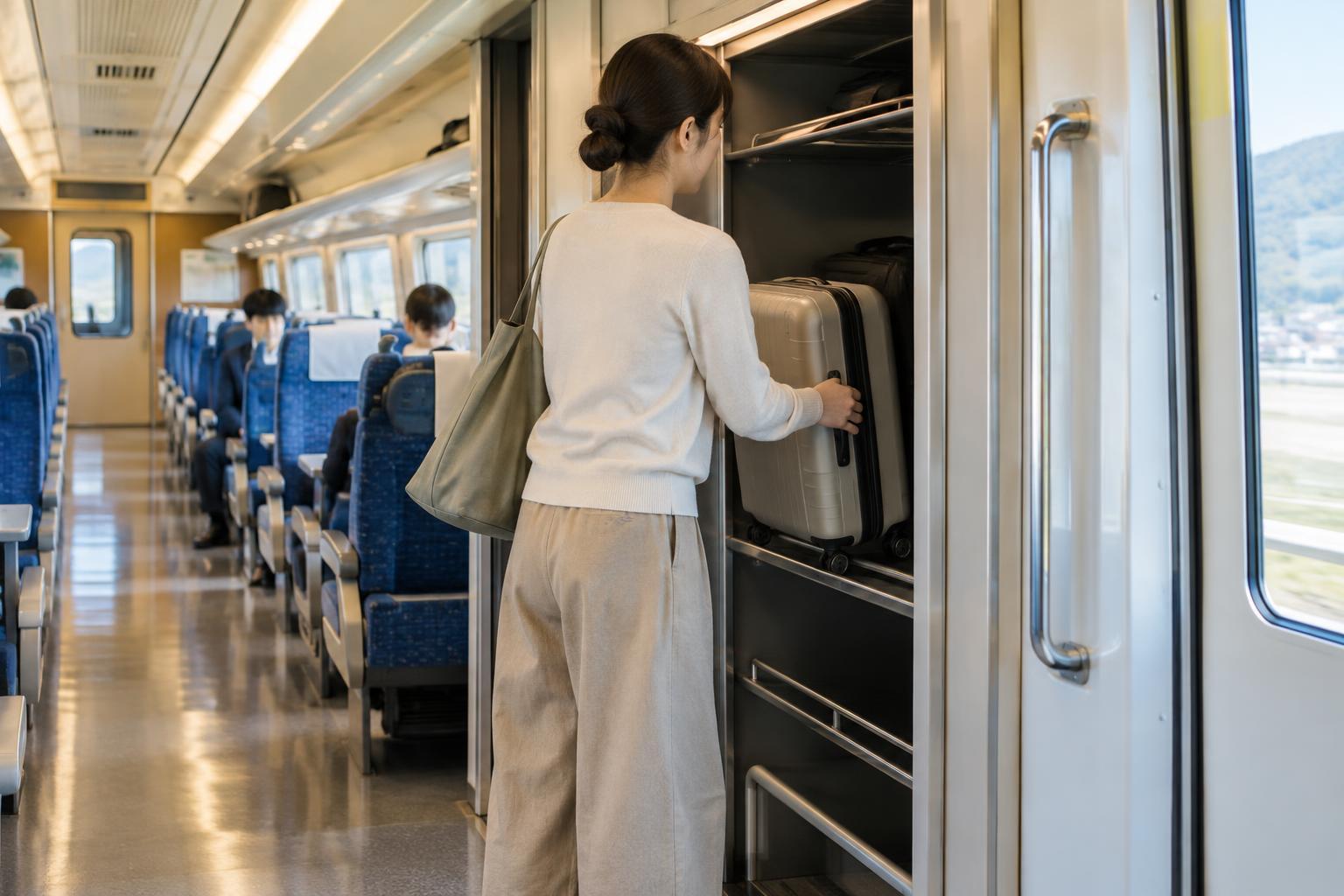
Rail passes can be useful, but they are not automatically the cheapest choice. Sketch your main journeys first, then compare individual tickets with any pass you are considering. Check which trains the pass covers and whether its valid days match your plans. Local trains and buses may suit shorter journeys, although they can take more time. A slower route is a saving only if you will still enjoy the day at the other end.
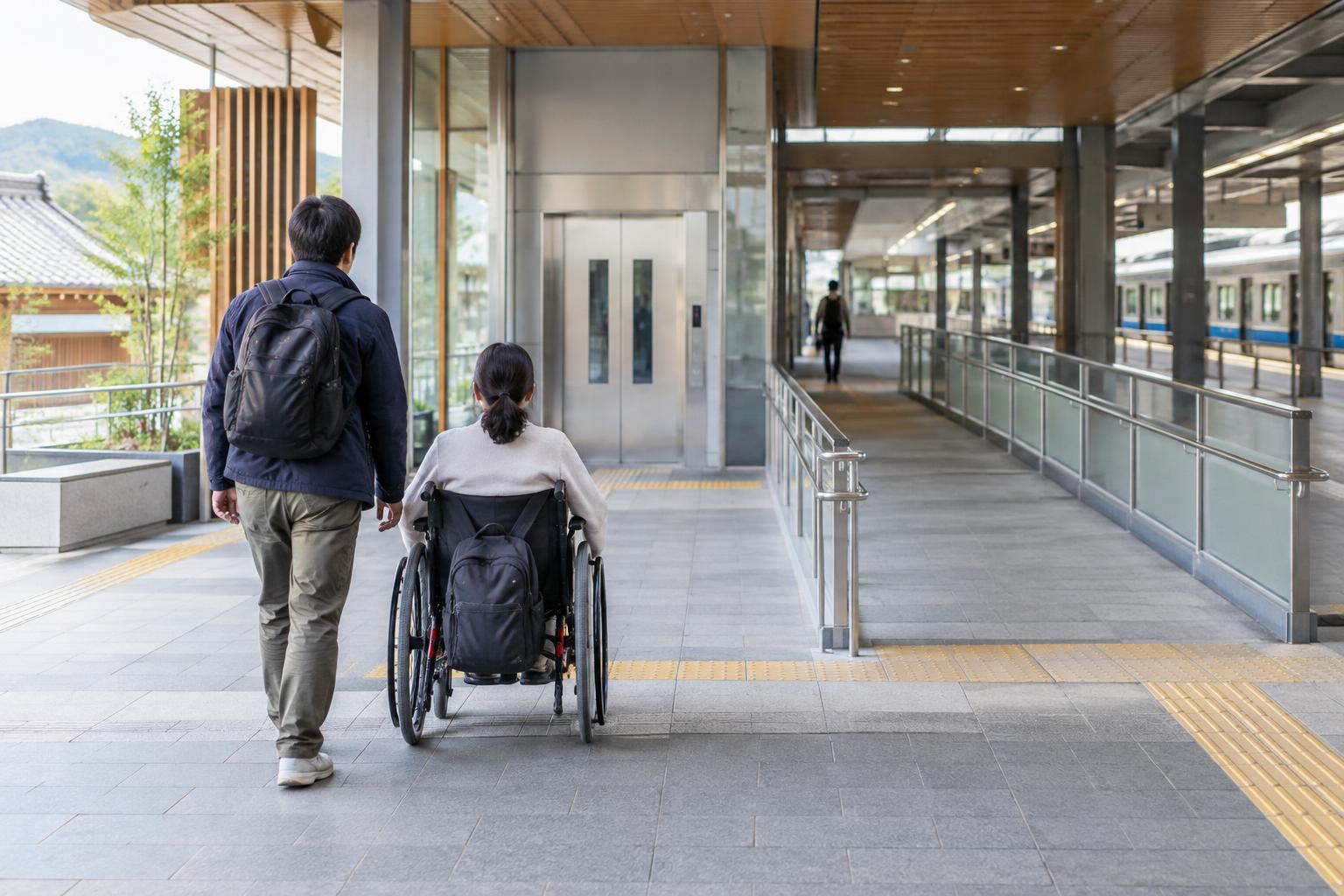
Consider whether a destination needs to be an overnight stop at all. A day trip from an existing base may spare you another check-in; on the other hand, staying overnight can be worthwhile if it gives you a quieter evening and a more relaxed morning. Factor in the walk or ride between your lodging and the station, especially if you will carry your bags. The best-value route is often the one that is affordable and comfortable enough to follow.
Choose lodging that supports your daily rhythm
When comparing rooms, look beyond the nightly rate. A lower-priced stay far from useful transport may cost you time and extra fares. A convenient base can make it easy to take a midday break or set out on foot. Check the room’s size, bathroom arrangements, check-in rules and any charges that matter to your stay before booking. If you are sharing a room, compare the total cost rather than assuming a dorm bed will always be the better deal.
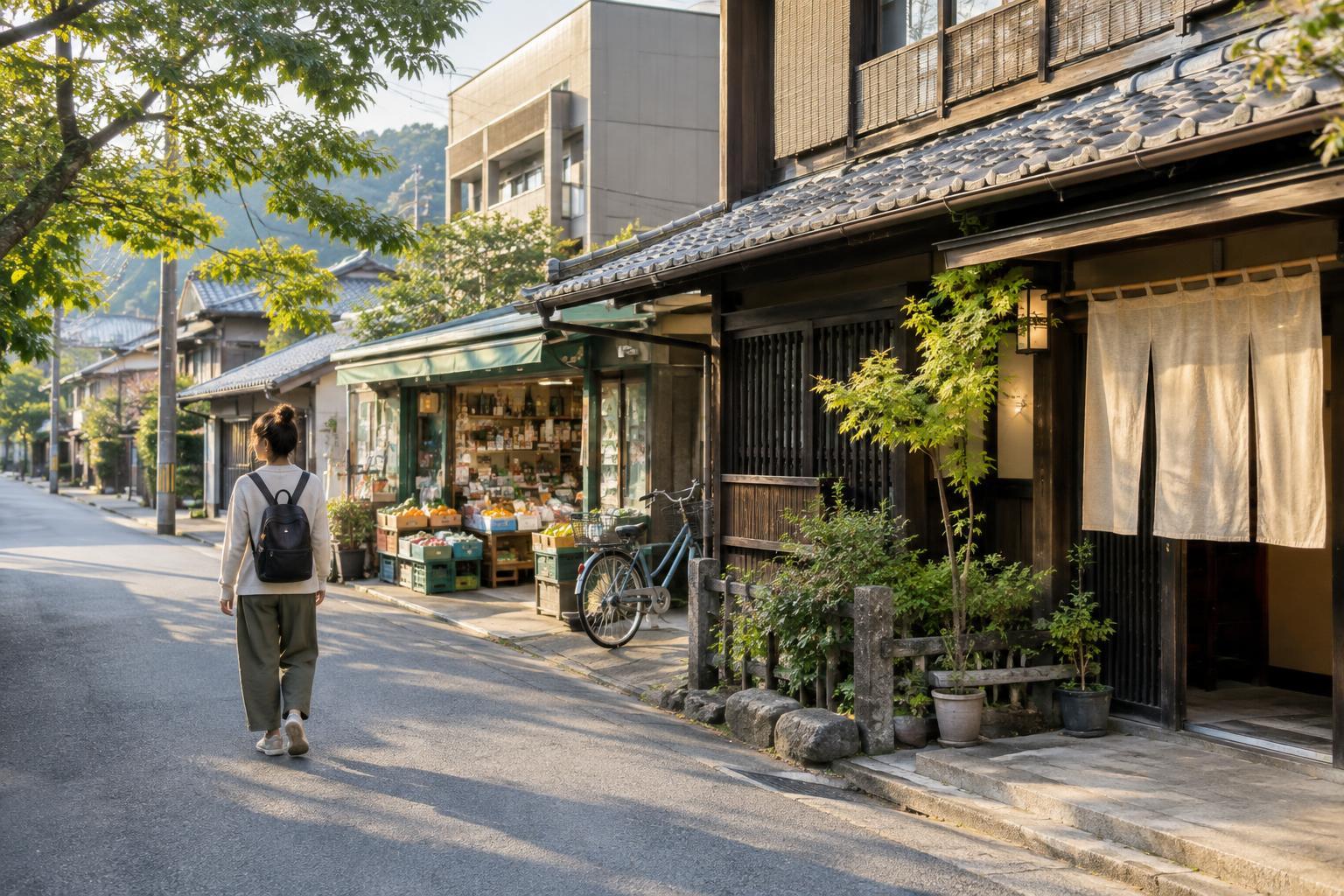
Neighborhood choice matters as much as the room itself. A place near a local shopping street, public transport and a few casual eating options can make everyday decisions simpler. You do not need to sleep beside a major attraction to enjoy it. Sometimes the pleasure of a longer stay is learning the route to your nearest bakery or finding a peaceful street to walk after dinner.
Eat well by mixing special meals with ordinary ones
Food is worth budgeting for, not cutting out. Decide which meals you most want to remember, and leave space for simpler choices around them. A casual restaurant, a takeaway meal, a supermarket or a food hall can each serve a different kind of day. If your lodging has a kitchen, preparing breakfast or an occasional light meal may help, but it is not necessary to cook throughout your trip to keep spending in check.
Browse menus and displayed prices before sitting down, and remember that a low-cost meal need not be rushed. Eating near where you are staying can also reduce the temptation to make a special journey for every recommendation you have saved. Follow your appetite and your route rather than trying to complete a list of famous dishes.
Make room for free time, and budget for what you value
Walking through a residential neighborhood, visiting a public park or exploring a shopping street can add texture to a trip without an admission fee. Treat these places as shared spaces: keep pathways clear, follow posted rules and be considerate when taking photographs. Temples, gardens, museums and other sites may charge admission, so check the details for the places you most hope to visit rather than assuming every stop will be free.
A useful budget leaves room for a few deliberate splurges. You might skip an attraction that holds little interest for you and spend that money on a workshop, a memorable meal or a stay that makes travel easier. Set aside some flexibility for tired days and changed plans. Saving money should help you pay attention to Japan, not keep you in a constant hurry.