Begin with the experiences you want, not a map of highlights
It is tempting to start a first Japan itinerary by collecting famous places. A better starting point is to ask what you hope to remember: city neighborhoods, gardens, craft traditions, mountain scenery, regional food or quiet time by the sea. Choose two or three interests that matter most. They will help you decide where to spend time and, just as importantly, what to leave for another visit.
Think about how you like to travel elsewhere. If you enjoy wandering without a fixed destination, give yourself full days in a city rather than stacking short stops. If a particular craft or landscape draws you in, consider making it the center of a region-based stay. There is no obligation to see every familiar landmark on a first trip; a smaller route can offer a clearer sense of place.
Choose a region, then choose your bases
Tokyo and the Kansai area, which includes Kyoto and Osaka, make a flexible first route for travelers who want a mix of large-city life and historic streets. They also offer many possible day trips, so you need not change hotels to experience a different setting. Staying in one city for several nights can make early mornings, evenings and unplanned discoveries feel like part of the trip rather than gaps between trains.
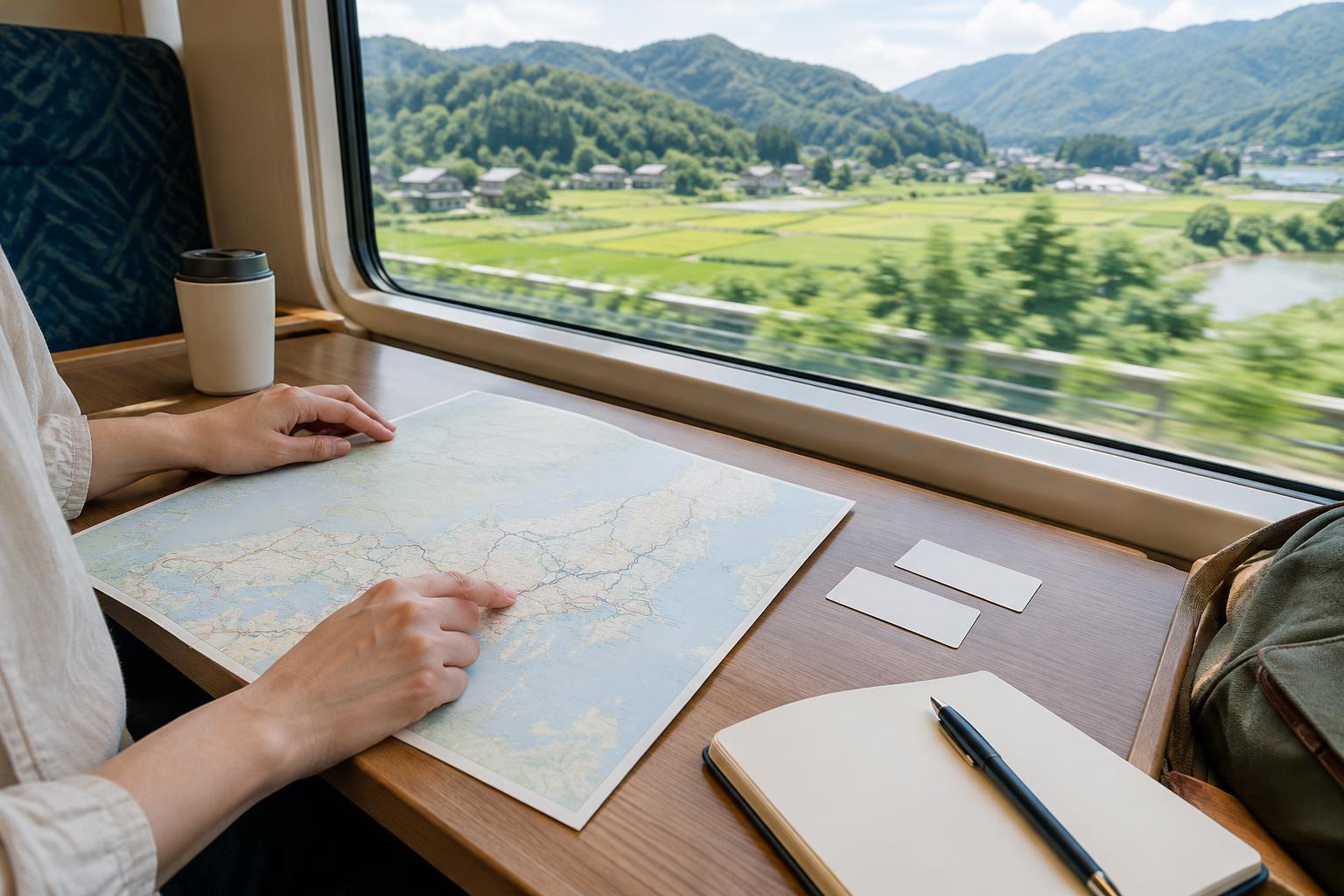
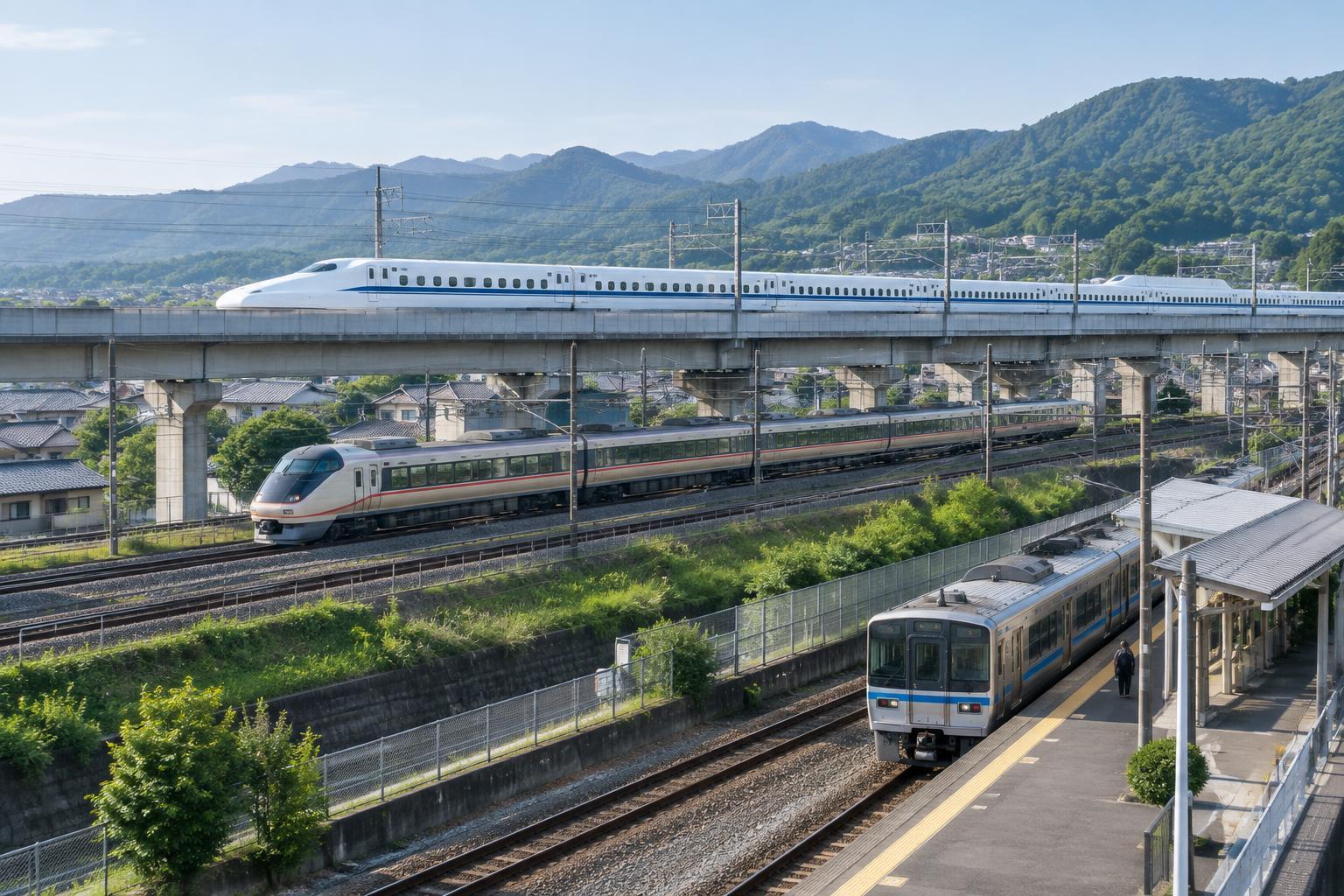
Other regions deserve consideration when they match your interests. The Setouchi area may appeal to travelers drawn to islands and art; the Japanese Alps to those seeking mountain towns and scenery; Kyushu to those interested in hot-spring areas and distinctive local food. Hokkaido and Tohoku offer further possibilities for travelers prioritizing spacious landscapes or seasonal change. Check connections and local transport before committing: a place that looks close on a map may take more effort to reach than expected.
Let trip length shape the route
Count usable days, not just nights away from home. Arrival, departure and long transfers often leave less time for sightseeing than a calendar suggests. For a trip of about a week, one region with one or two accommodation bases can be plenty. With roughly ten days to two weeks, a two-region route may feel comfortable if you stay several nights in each place. These are starting points, not rules; your energy, budget and travel style matter more than a fixed formula.
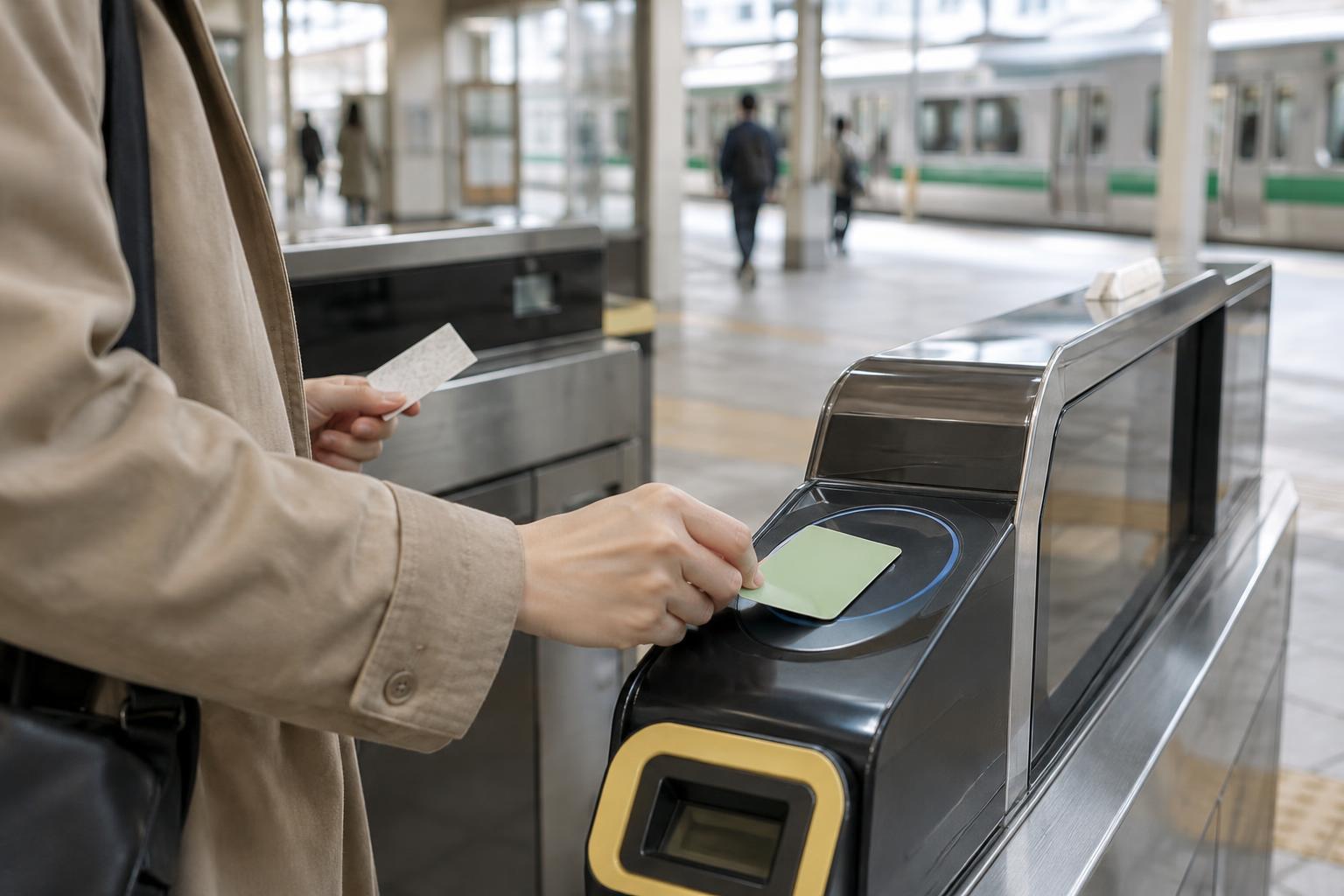
Changing cities has a cost beyond the train ride. Packing, checking out, finding the next hotel and orienting yourself all take attention. Before adding a stop, ask what you would gain by sleeping there instead of visiting on a day trip. An overnight stay can be worthwhile when you want an unhurried evening or early morning, but not every appealing destination needs its own hotel booking.
Give each day one anchor
A manageable itinerary has structure without filling every hour. Choose one main activity for the day, such as a museum, a garden, a market or a walk through a particular neighborhood. Keep a second idea nearby in case you have energy, and leave room for a meal that takes longer than planned. This approach is especially useful in large cities, where crossing town repeatedly can make a day feel busier than it looks on paper.
Group sights by area instead of treating a city as a checklist. Allow extra time when an outing depends on infrequent transport, a reservation or good weather. It also helps to leave an open half-day somewhere in the trip. You might use it to revisit a neighborhood, rest or follow a recommendation you hear after arriving. Flexibility is not wasted time; it is what lets you respond to the place in front of you.
Plan for everyday comfort and respectful discovery
A thoughtful route includes practical details: how you will reach your first hotel, whether your luggage is easy to carry and how far your accommodation is from the transport you expect to use. Look up opening days and booking requirements for your highest-priority visits before fixing the surrounding itinerary. If seasonal conditions are important to your plans, prepare an indoor or lower-effort alternative; weather and timing can affect the experience you imagined.
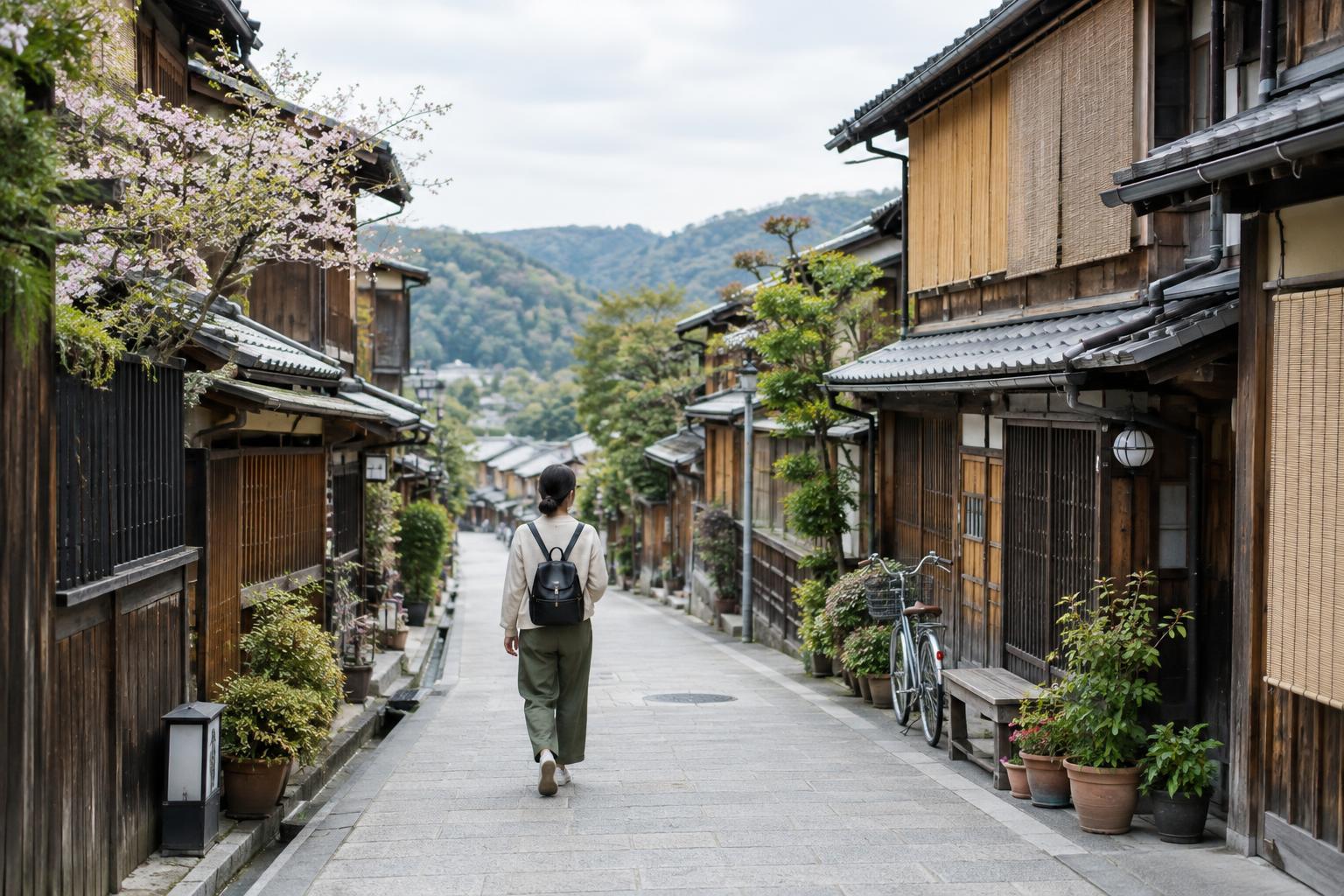
Leave space to learn the rhythms of each place. A neighborhood bakery, a local train ride or a quiet walk after dinner may become as memorable as a major sight. Pay attention to signs and house rules, especially at religious sites, in residential streets and in small shops. When you choose fewer stops and spend longer in each, it becomes easier to travel considerately—and to notice the everyday details that make a first visit your own.