Begin by noticing where you are
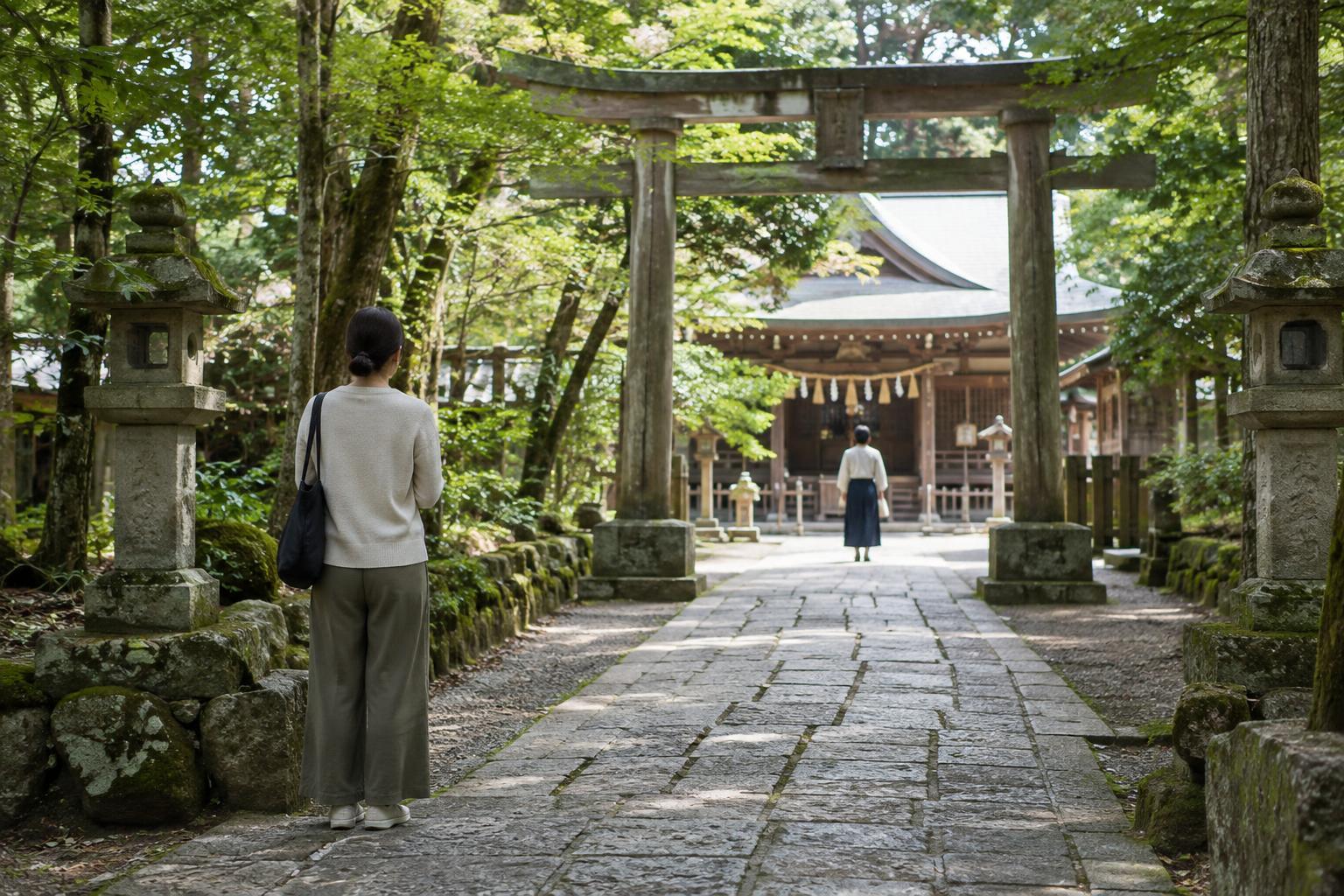
Shrines and temples can both offer a pause from a busy day, but they are not interchangeable. Shinto shrines are often marked by a torii gate, while Buddhist temples may have a large entrance gate, statues, or an incense burner. Some sites include elements of both traditions, and appearances vary. You do not need to identify every building before entering. Reading posted signs and watching how the space is used will usually tell you more than a hurried checklist.
Outside a festival, a sacred site may also be an ordinary neighborhood space. Someone might stop briefly to pray on the way to work, tend a grave, or care for the grounds. Walk at an unhurried pace, keep your voice low, and avoid treating worshippers as part of the scenery. If a path or building is closed, respect the boundary even when it looks easy to cross.
Approach the entrance with care
At a shrine, some visitors give a small bow before passing through the torii and another when leaving. The center of the approach is sometimes kept clear as a gesture of respect, so walking slightly to one side is a considerate choice when there is room. At a temple, a brief bow at the gate is also a simple way to acknowledge the setting. None of this needs to be theatrical; a calm, attentive manner matters more than perfect timing.
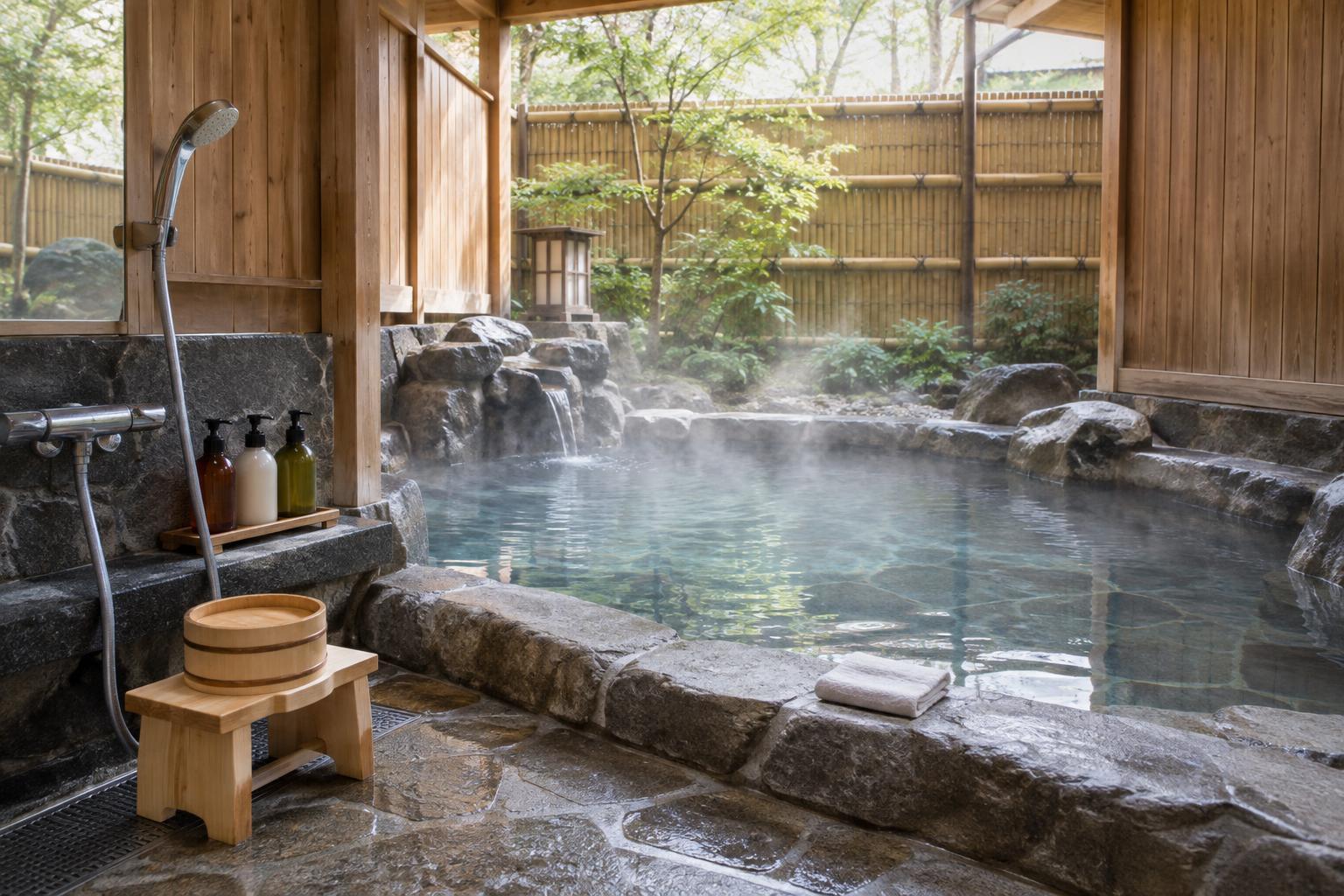
You may see a water basin near the entrance to a shrine or temple. Where it is open for use, visitors commonly rinse their hands before going farther in. Arrangements differ, so follow any instructions on site. Do not drink directly from a shared ladle or return water to the basin after using it. If the basin is closed or you are unsure what to do, it is fine to pass by rather than improvise.
Follow the custom of the place when praying
At many shrines, a common pattern is to place an offering in the box if you wish, bow twice, clap twice, offer a silent prayer, and bow once more. Customs can differ by shrine, and posted directions take priority. You can also choose simply to bow and move on. A donation is not a requirement for a respectful visit.
At a Buddhist temple, visitors generally do not clap. They may bow and bring their palms together quietly in front of a hall or image. Incense practices vary: some places provide incense for visitors, while others reserve an area for ceremonies or ask for a small payment. If you do not know how an object is meant to be used, leave it untouched. It is better to observe gently than to copy a gesture without understanding where it belongs.
Let signs and other visitors set the pace
Photography rules can change from one part of a site to another. An outdoor garden may welcome photos while an inner hall prohibits them. Look for signs before raising a camera, and put it away near ceremonies, prayer, or graves unless permission is clear. Avoid photographing people at close range without asking, especially when they are worshipping. Tripods, drones, and prolonged photo setups may obstruct paths even where casual pictures are allowed.
Some buildings require shoes to be removed. Watch for shoe racks, a change in floor level, or instructions at the entrance, and wear socks if you expect to visit indoor spaces. Keep bags close rather than setting them on delicate surfaces. Allow people to pass on narrow paths, and do not block an offering box or doorway while checking your phone. These small courtesies help a place remain usable for everyone.
Take part without treating everything as a souvenir
You may find omamori charms, omikuji fortunes, or a counter offering goshuin, the calligraphed seals collected in a dedicated book. Each has its own purpose and local practice. If a place provides a rack for tying a fortune, use it only as directed; otherwise, you can take the paper with you. A goshuin is associated with a visit to a sacred site, so approach the counter patiently and check whether it is open rather than assuming it operates like a gift shop.
You are welcome to appreciate a shrine or temple even if you do not pray. Spend time with the architecture, trees, stonework, or seasonal details without needing to touch or collect them. Before leaving, take your rubbish with you if no suitable bin is available. A thoughtful visit is less about performing every custom and more about recognizing that the place continues to matter after you have gone.