Start with the kind of day you want
A place to sleep can also be a way to experience a destination. Some travelers want an easy base near a station; others hope for a quiet evening built around a meal and a bath. Hotels, hostels, minshuku and ryokan can all be good choices in Japan, but the labels alone will not tell you how a particular property feels. Size, location, facilities and house rules vary.
Before comparing prices, picture an ordinary evening on your trip. Will you arrive late and leave early? Do you want to cook, meet other travelers or spend time where you are staying? Are you comfortable with shared facilities? Your answers may point toward different accommodation for different parts of the same journey.
Hotels: a flexible base for busy itineraries
Hotels are often the simplest fit when you want a private room and a schedule of your own. A compact business hotel may suit a short city stop, while a larger hotel may offer more space or on-site services. Neither name guarantees a particular room size or amenity, so check the room plan and property details rather than assuming.
If you will be carrying large luggage, working during the trip or returning after dinner, look closely at desk space, laundry access, check-in hours and transport connections. Also confirm the bed arrangement: a room described as a double may have one bed, not two. Hotels can be convenient, but convenience is personal. A quieter location with a longer walk may suit you better than a room beside a major station.
Hostels: shared space, with varying levels of privacy
Hostels may offer dormitory beds, private rooms or both. They can be appealing if you value communal space and a chance to talk with fellow guests. A shared kitchen can also make simple meals easier, though not every hostel has one. Read the room description carefully: a private room might still use a shared bathroom, while a dorm bed may come with a curtain or a locker.
Think about your tolerance for noise, shared routines and limited storage. Check whether towels are included, where luggage can be kept and how access works after reception hours. Good shared-space manners are straightforward: keep calls and packing quiet when others are sleeping, clean up after using common areas and follow the property’s rules about food and shoes.
Minshuku and ryokan: look beyond the labels
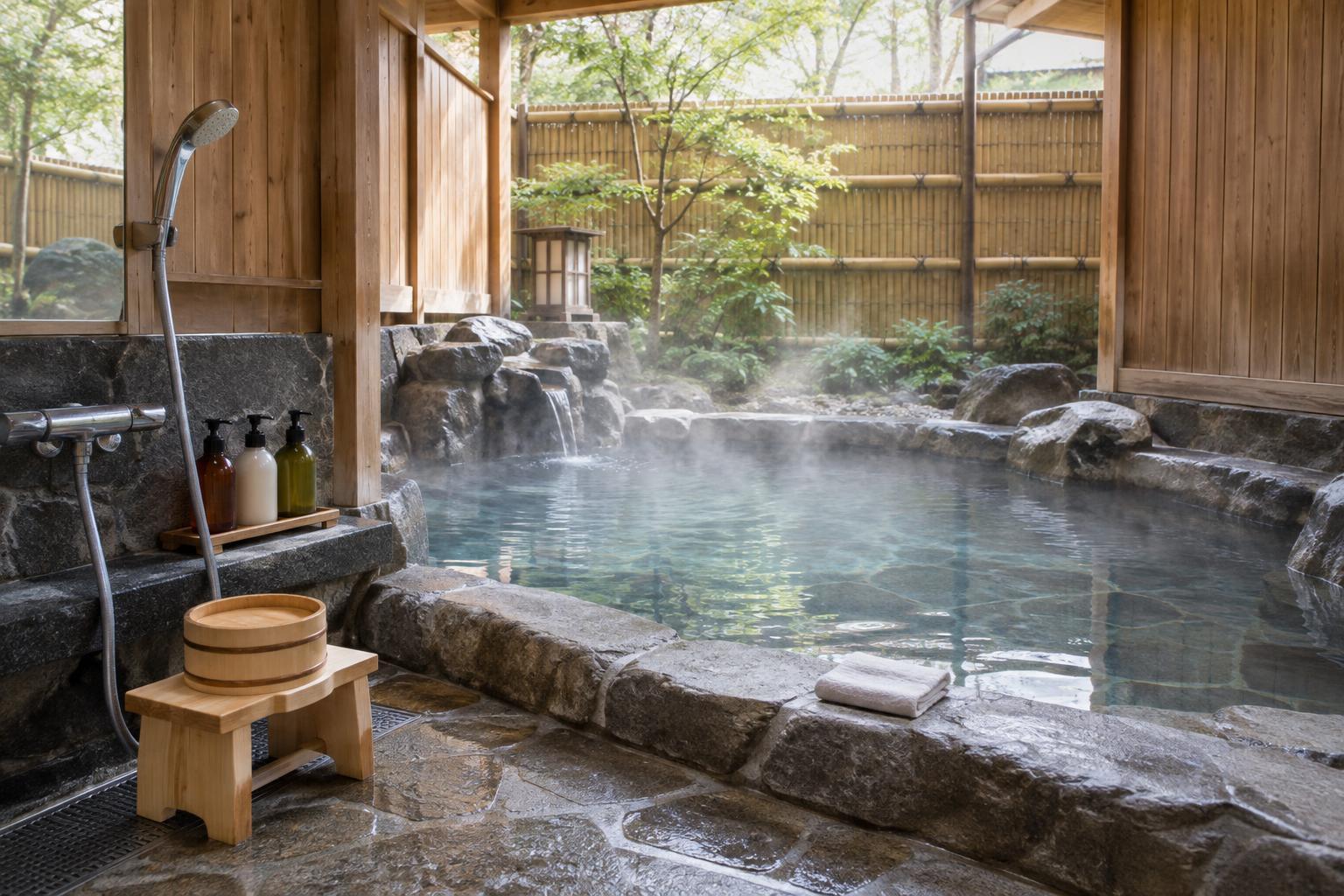
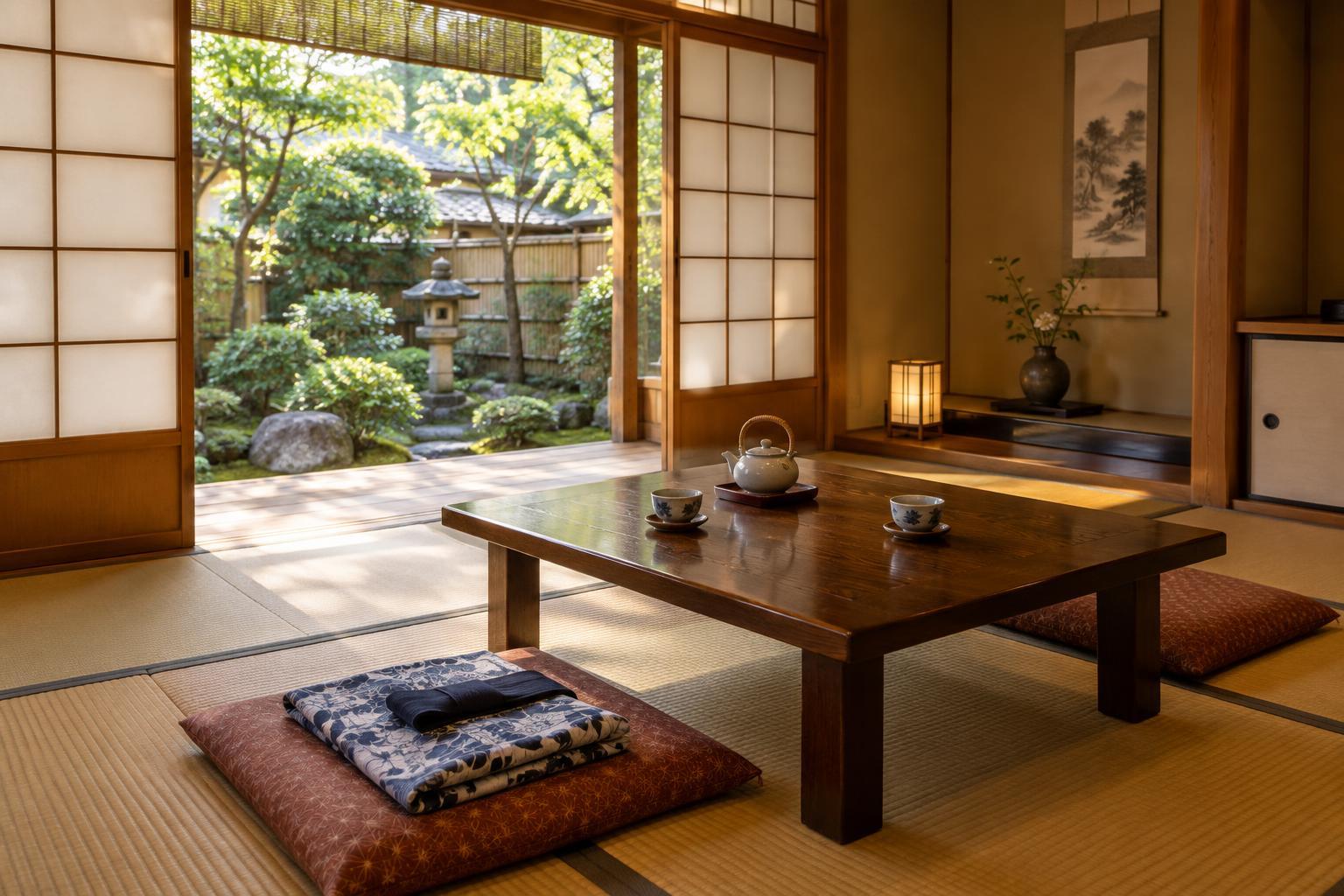
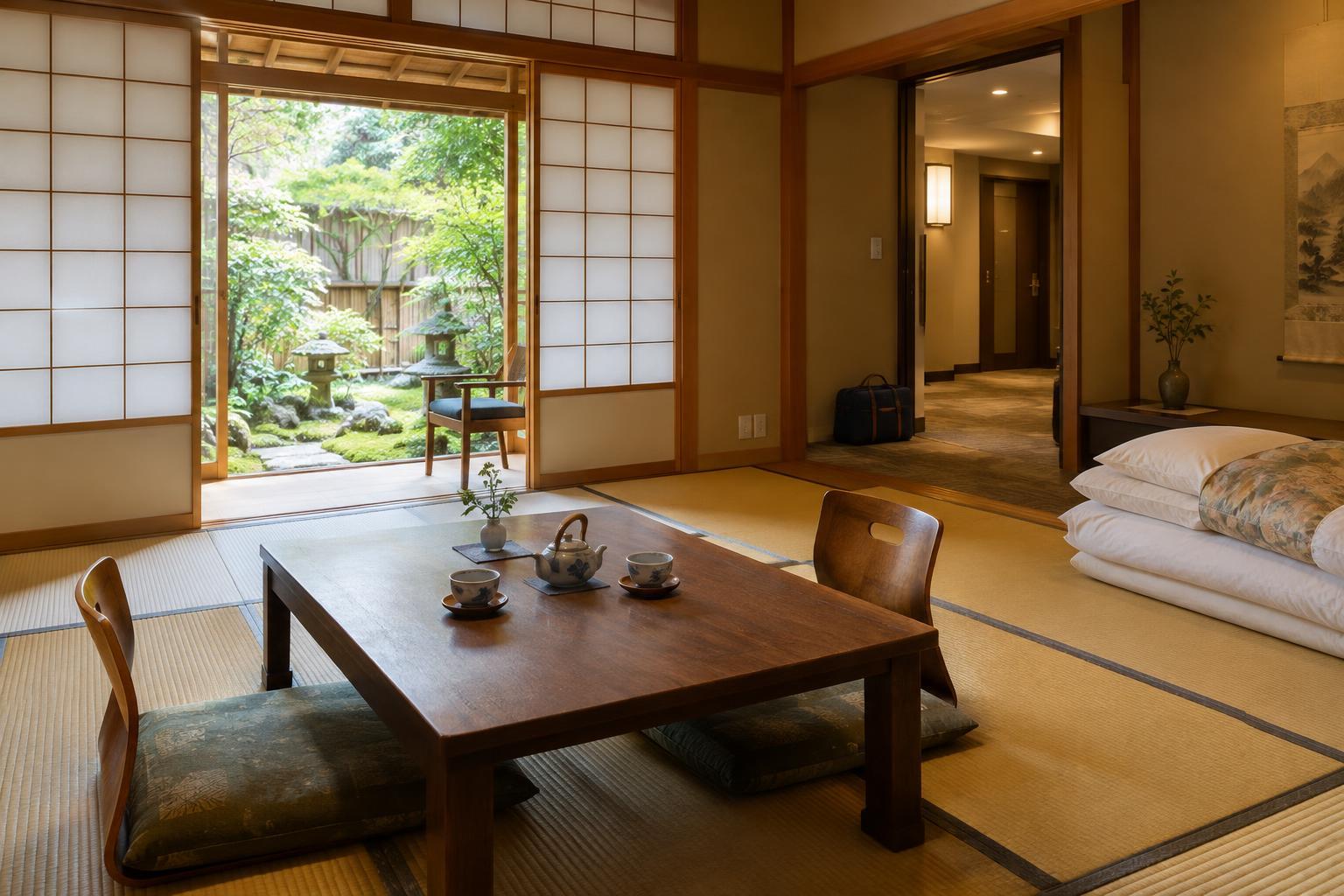
A minshuku is generally a small, often family-run lodging that may feel more like staying in a home or guesthouse. A ryokan is generally associated with Japanese-style hospitality and may feature tatami rooms, futon bedding, baths and carefully presented meals. These are broad descriptions, not promises: a modest ryokan and a highly polished one may offer very different stays, and a minshuku may share some of the same features.
Both can be rewarding when you want to slow down and pay attention to the place itself. If dinner is included, you may need to arrive by a set time. Meals might be served in a dining room or another designated space, depending on the property. Check what is included in the rate, especially breakfast, dinner, bathing facilities and any charges for children. If you have dietary restrictions, ask before booking whether they can be accommodated; a small kitchen may not be able to make changes on arrival.
Japanese-style rooms may ask guests to remove outdoor shoes and use slippers in certain areas. Futons may be laid out by staff or by guests, depending on the lodging. Shared baths have their own posted rules, which can differ by property. Read those instructions rather than relying on assumptions, and ask politely if anything is unclear.
Make the booking match your needs
Compare the total stay, not just the nightly rate. A room with meals may cost more than a room-only option but change what you need to arrange in the evening. Location matters too: a rural stay might offer a peaceful setting while requiring more planning for arrival and departure. Confirm the last check-in time, the route from public transport and whether the property can help with luggage before making a tight itinerary.
Accessibility deserves a direct check. Older buildings and traditional-style rooms may have steps, low seating or bedding on the floor, while other properties may offer suitable alternatives. If stairs, bathing arrangements, allergies or sleep setup affect your comfort, contact the lodging with specific questions. Photos and broad labels rarely tell the whole story.
You do not need to choose one lodging style for an entire trip. A hotel can make a travel-heavy night easier; a hostel can suit a sociable stop; a minshuku or ryokan can invite a slower pace. Choose the stay that supports what you hope to do that day, and leave enough time to enjoy it.