Plan around the journey, not just the destination
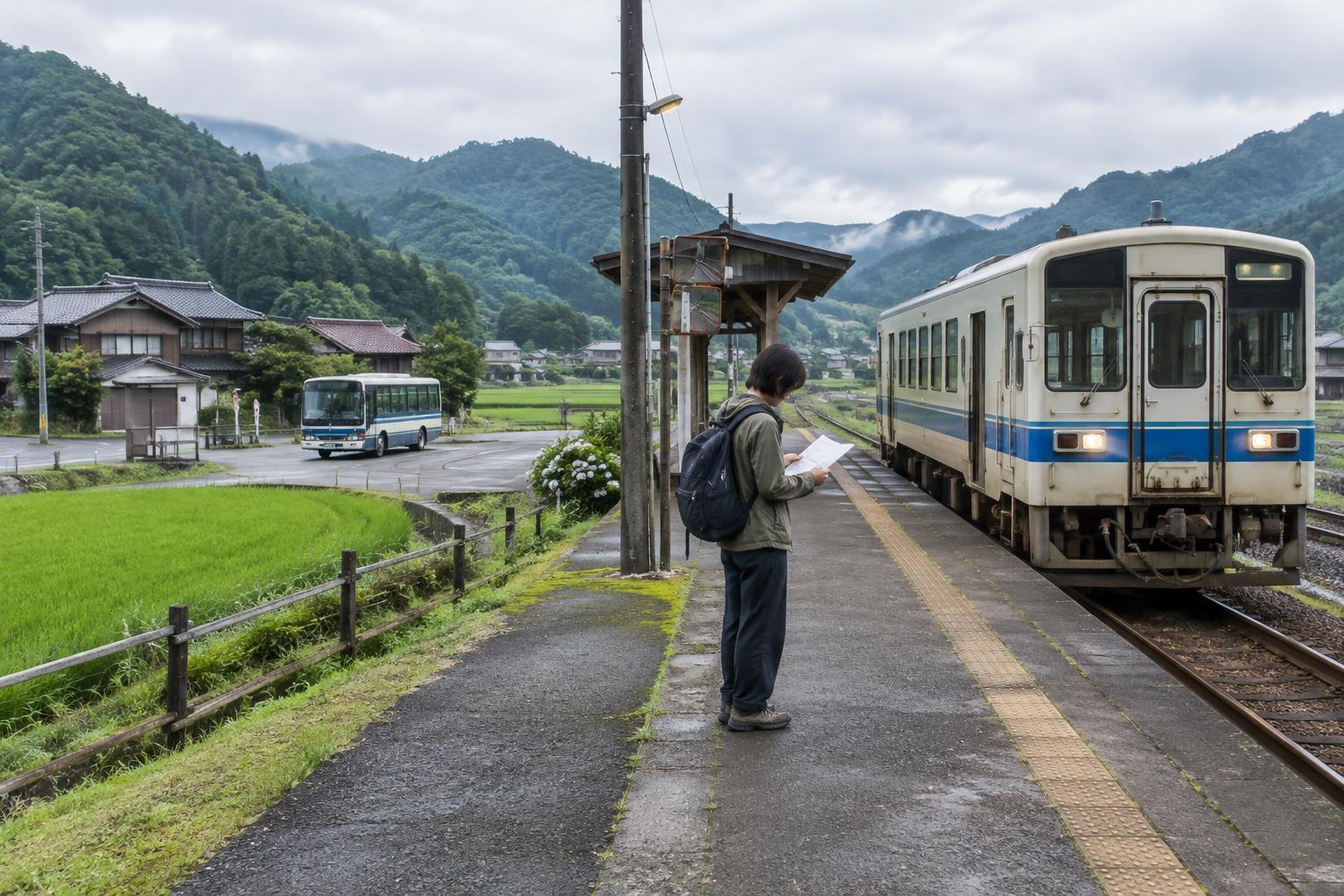
A village street, a small museum or a trailhead may look close to a train station on a map. In rural Japan, that distance can still shape your entire day. Local trains and buses may run infrequently, and a convenient outward trip does not guarantee an easy return. Before committing to a destination, find both the route there and the route back. Note the last practical departure, not merely the last service listed: you may need time to reach the stop and make a connection.
Start with a modest plan: one main destination and, if the schedule allows, one nearby extra stop. Check how long you can actually spend there after accounting for transfers, walking and opening hours. A trip that seems inefficient by city standards can feel satisfying when the ride itself offers views of fields, mountains or neighborhood streets. Keeping the itinerary simple gives you time to notice them.
Read timetables with care
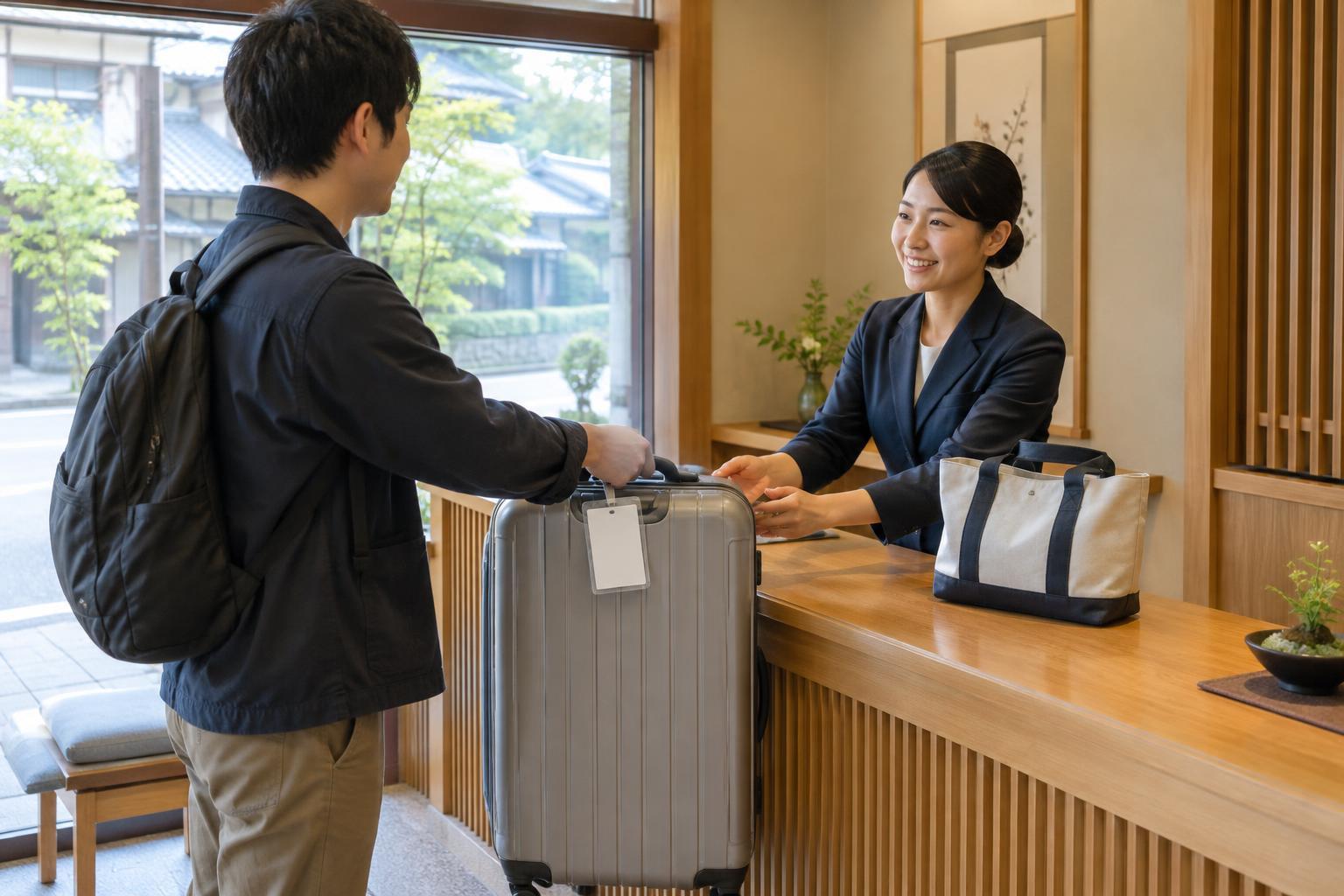
Journey-planning apps are useful for an initial outline, but check important rural connections against the train or bus operator’s timetable when possible. Look for separate schedules for weekdays, weekends and public holidays, as well as notes about school days or seasonal operation. Some services have limited operating periods or require advance arrangements. If a timetable is difficult to interpret, your accommodation or a local tourist information desk may be able to help confirm the details.
Record the stop name in Japanese as well as English. A bus stop serving a station may not be directly outside the station entrance, and similarly named stops may be some distance apart. Check the direction of travel and, where available, a route map showing intermediate stops. Save essential timetables or screenshots for offline use; mobile reception and battery life are less dependable planning tools than a copy you already have.
Know what to expect on local trains and buses
Local trains vary by region and operator. At a small station, ticket purchase, boarding and fare payment may work differently from what you encountered in a large city. Follow posted instructions, and keep your ticket until the journey is complete. Do not assume that every station has staffed counters or that a transport card accepted elsewhere will work on this line.
Buses also vary. Some use a flat fare, while others issue a numbered ticket when you board and calculate the fare from the stop where you got on. Payment may be made as you leave, and cash can be useful where card acceptance is limited. Watch what other passengers do, read any notices near the door and ask the driver a brief question when needed. Having small denominations ready makes boarding and exiting easier without assuming one payment method applies everywhere.
Give connections room to breathe
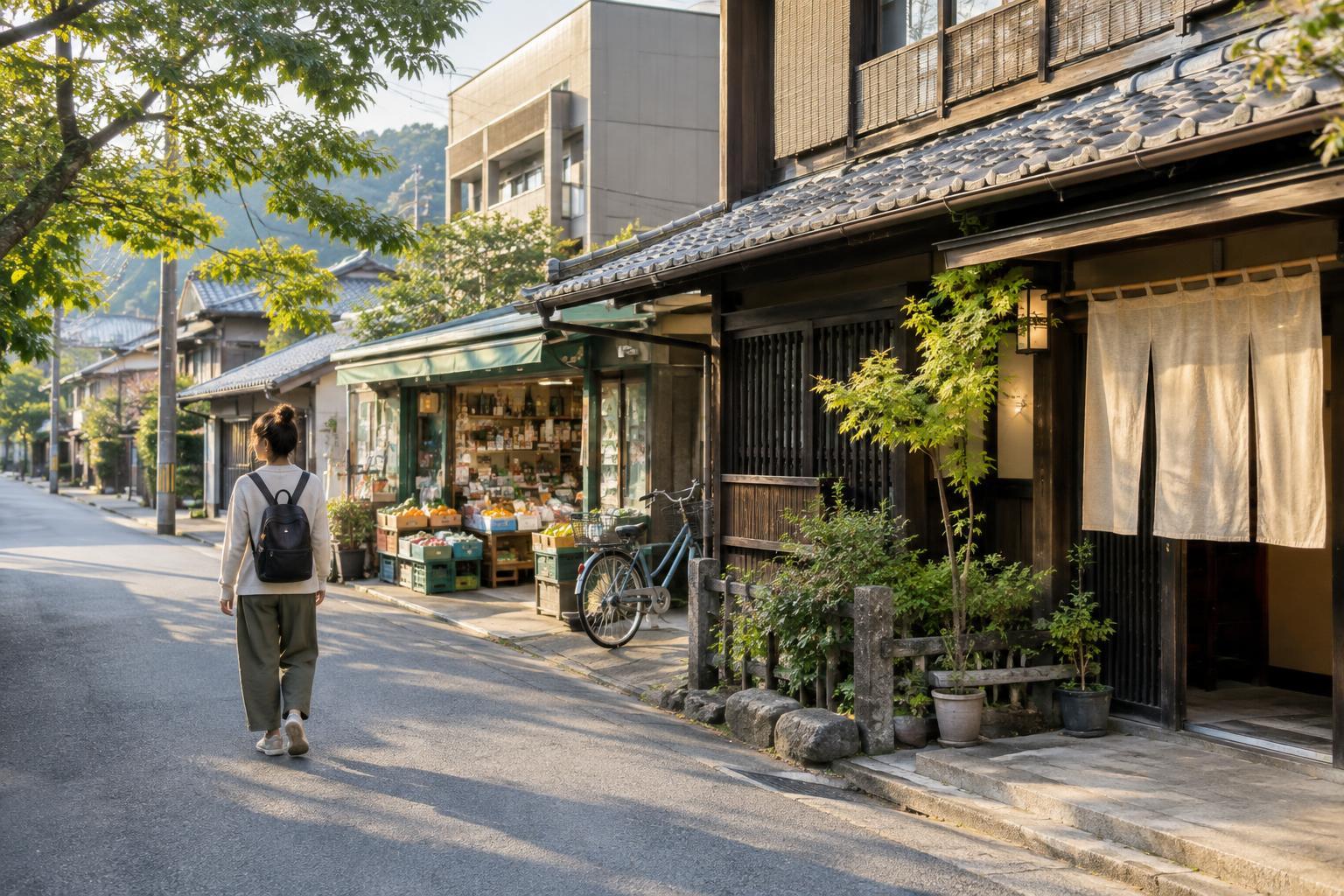
A tight transfer that looks workable on a screen may be stressful when the bus stop is unfamiliar or a train arrives on a different platform than expected. Leave a generous gap around the connection you cannot afford to miss, especially on the return journey. If you plan to visit a site away from a station, include the walking route and its conditions in your schedule. A short distance on a map may involve a steep road, narrow pavement or little shelter from the weather.
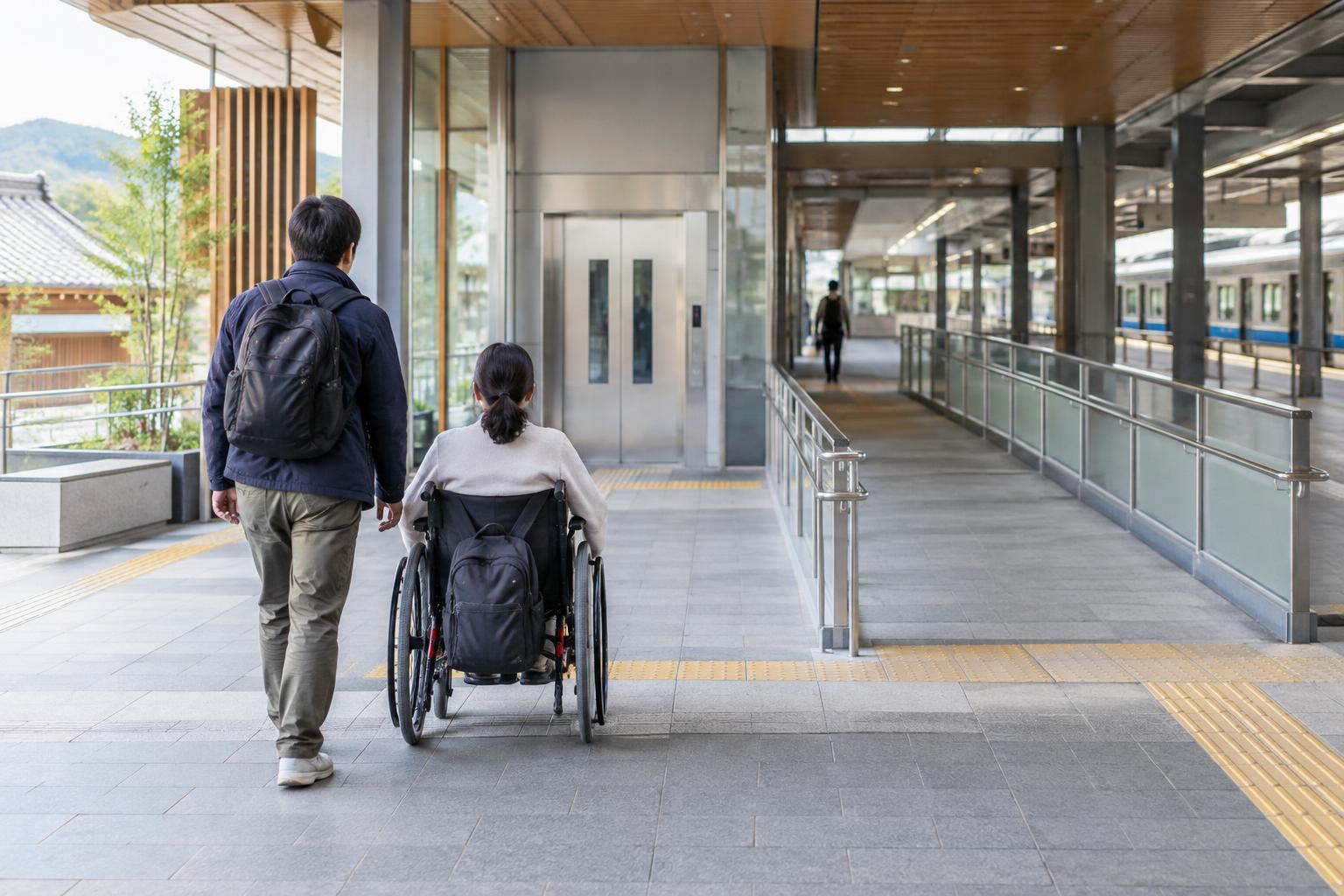
Decide on a fallback before setting out. That might mean an earlier return service, a shorter visit or a taxi from a station where taxis are available. In quieter areas, it is unwise to assume you can hail one at any moment; ask locally about availability and booking if your plan depends on it. Travelers with mobility needs should likewise check station access and boarding arrangements ahead of time rather than relying on a map alone.
Travel at the pace the place allows
Rural transport is part of daily life for residents, not simply a sightseeing service. Keep bags out of aisles, allow people to board and exit comfortably, and be considerate when photographing stations or streets. If you are uncertain whether you have reached your stop, asking politely is better than waiting until the doors close. Carrying the destination name in Japanese can make that exchange easier.
The most useful habit is to treat the timetable as a framework rather than a challenge to fit in as much as possible. Confirm key services close to the day of travel, leave space for a missed turn or a longer lunch, and know when to head back. Without a car, you may see fewer places in a day. You can also arrive with a clearer sense of how each place connects to the people and routines around it.